

How some Indigenous artisans are rethinking their craft as ash trees die
Since its arrival in around 2002, the emerald ash borer has swept across the Midwest and East Coast. Indigenous artists who rely on ash are adapting.
Since its arrival in around 2002, the emerald ash borer has swept across the Midwest and East Coast. Indigenous artists who rely on ash are adapting.

Farm groups help aging farmers pass the baton by offering financial — and practical — advice.

As harvest season concludes, farmers and economists say rising diesel and fertilizer prices are eating into what could have been a profitable year.

Since its arrival in around 2002, the emerald ash borer has swept across the Midwest and East Coast. Indigenous artists who rely on ash are adapting.

April Stone sat in her studio in Ashland, Wisconsin, listening as light music streamed through the space. She recalled when the emerald ash borer first arrived in the United States, and eventually northern Wisconsin.
“I remember watching on the news that Menards had received a shipment of firewood from an area that had been quarantined from the emerald ash borer,” said Stone.
Stone is a member of the Bad River Band of Lake Superior Ojibwe and full-time artisan making black ash baskets.
Like many in the Northwoods, Stone has been saying goodbye to its ash trees. They’ve been targeted by the emerald ash borer, a beetle from Asia. Since the insect was first detected near Detroit in 2002, it’s spread to all of Wisconsin’s 72 counties and 37 other states, from the Midwest all the way down to Louisiana.
Indigenous communities work with ash trees for different uses in life. The loss is causing some to think about what the future will look like as the insect continues to work through forests.
Against a wall of Stone’s studio sits a hill made of years’ worth of ash splint, pounded out and piled high in what Stone and her students have dubbed “the nest.”
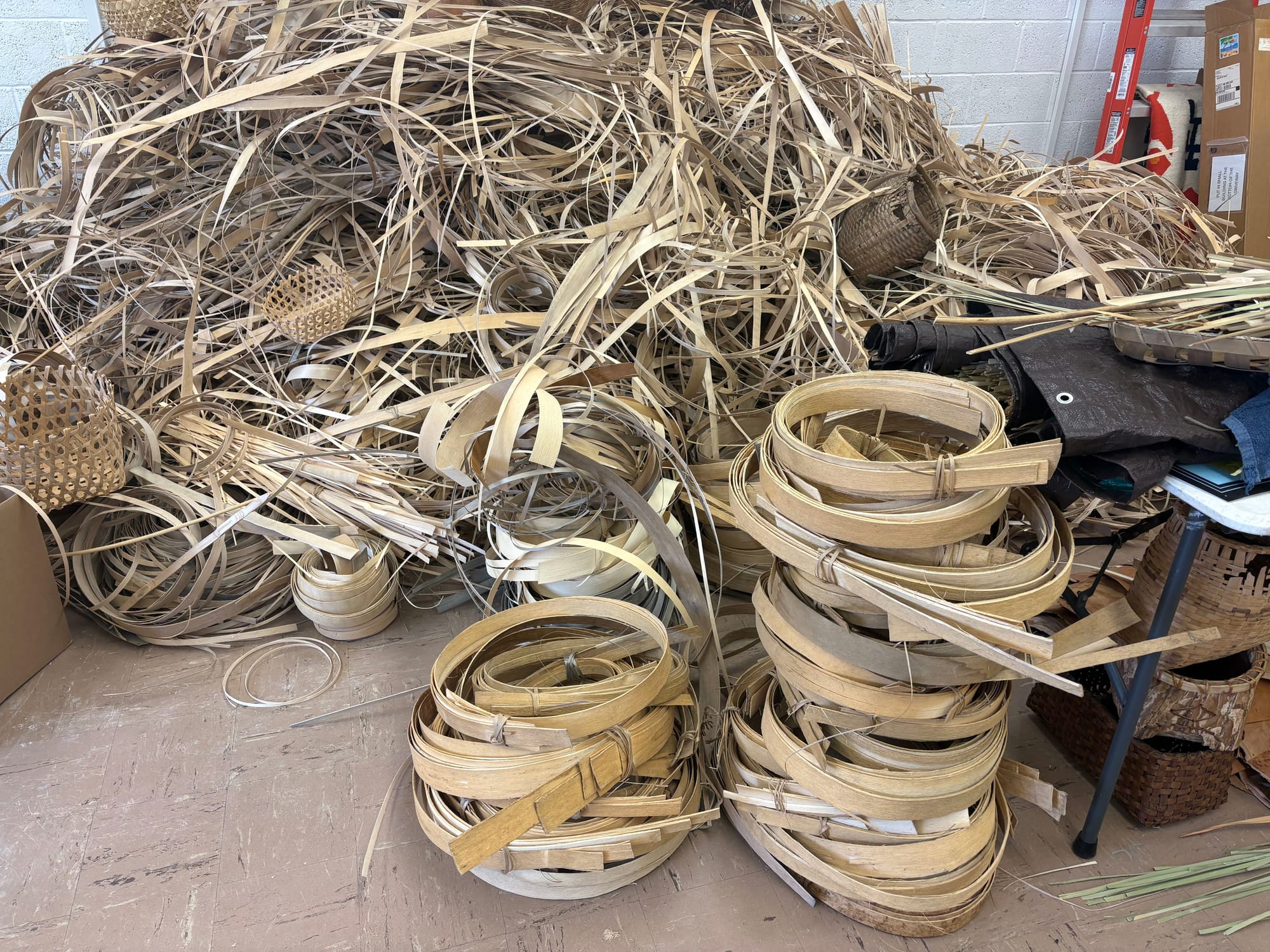
Ash baskets serve a daily purpose, but the arrival of the borer has caused Stone to consider other materials to use in her work.
“It's also made me appreciate and honor other beings: the grapevines, the cedar, the cattail, the bulrush, the basswood, and start to establish relationships with other beings, because things change,” said Stone. “So I have to adapt too.”
Black ash trees are a keystone species. They don’t mind getting their “feet” wet, so they help regulate the groundwater table. They prevent swamping and runoff that can harm other keystone species like manoomin, or wild rice.
We’re a nonprofit, and this season funds our reporting all year. Right now, NewsMatch doubles every dollar readers give.
Support from readers like you makes it possible for us to keep reporting stories on farming, food, water, climate, data centers and other essential topics. And it helps us ensure those stories reach millions of people across the Mississippi River Basin.
Will you help us reach our goal of $6,500?
Colin Peters is a doctoral candidate at the University of Minnesota in the department of plant pathology. He’s been researching the insect.
“When you lose these ash trees, and suddenly there aren't these trees which are providing structure to the soil, you might have changes in the rates of erosion in these riparian or swamp areas,” said Peters.
Miles away in the Upper Peninsula of Michigan, Richard Siewertsen located a dying stand of ash trees in the Ottawa National Forest.
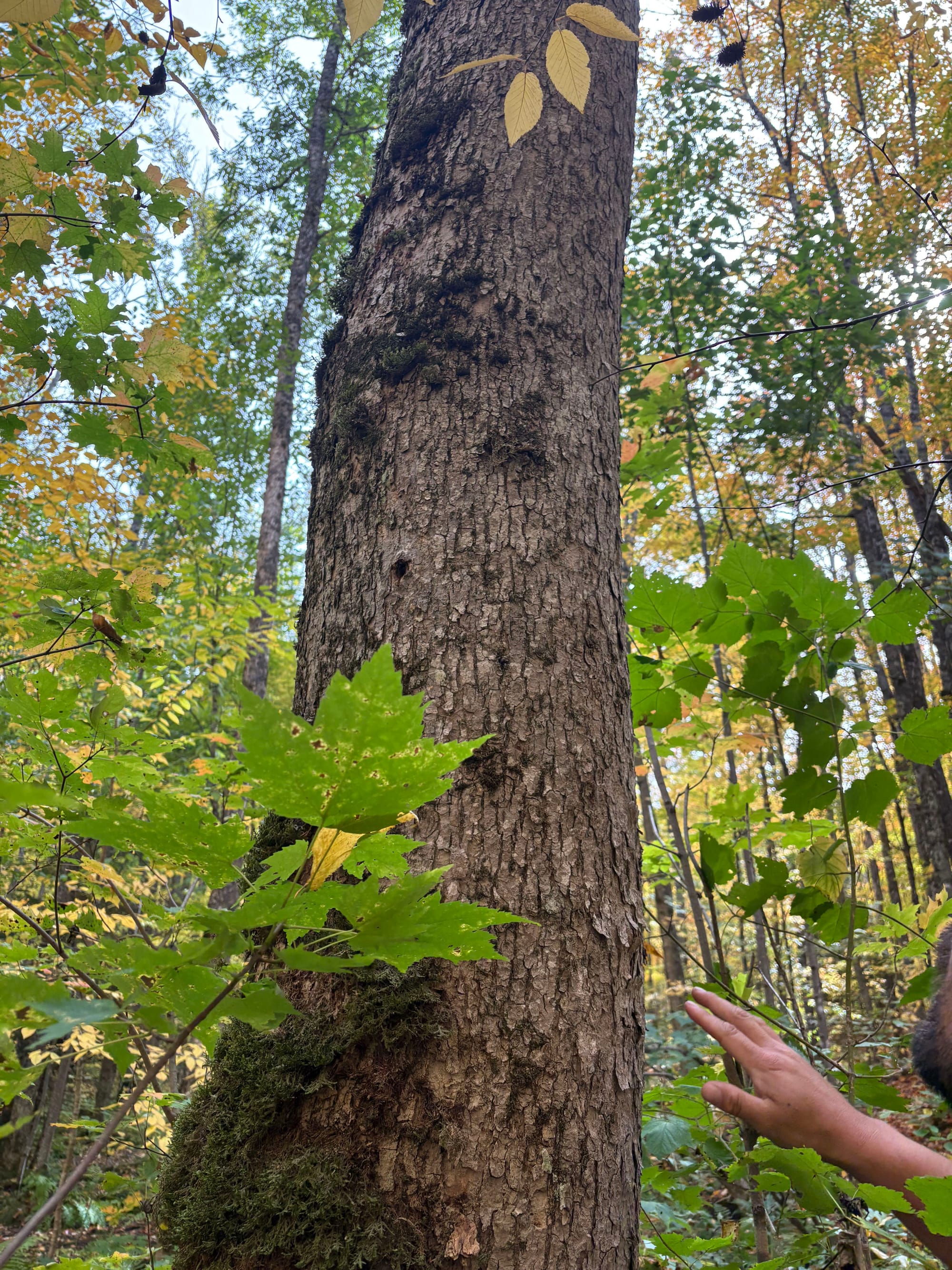
“This one's definitely dying off. That top fell right off of that one,” Siewertsen said, pointing to the trees. “Let's see if there's bugs in this thing. Yeah, look at — there's a hole right there.”
A distinct D-shaped exit hole on the trunk of the tree marked the borer's presence.
“There were always stickers, bumper stickers. ‘Don't move firewood; it bugs me,’ right? And that's when I remember it,” said Siewertsen. “It isn't until within recent years though, going out and noticing, because I wasn't looking for it before.”
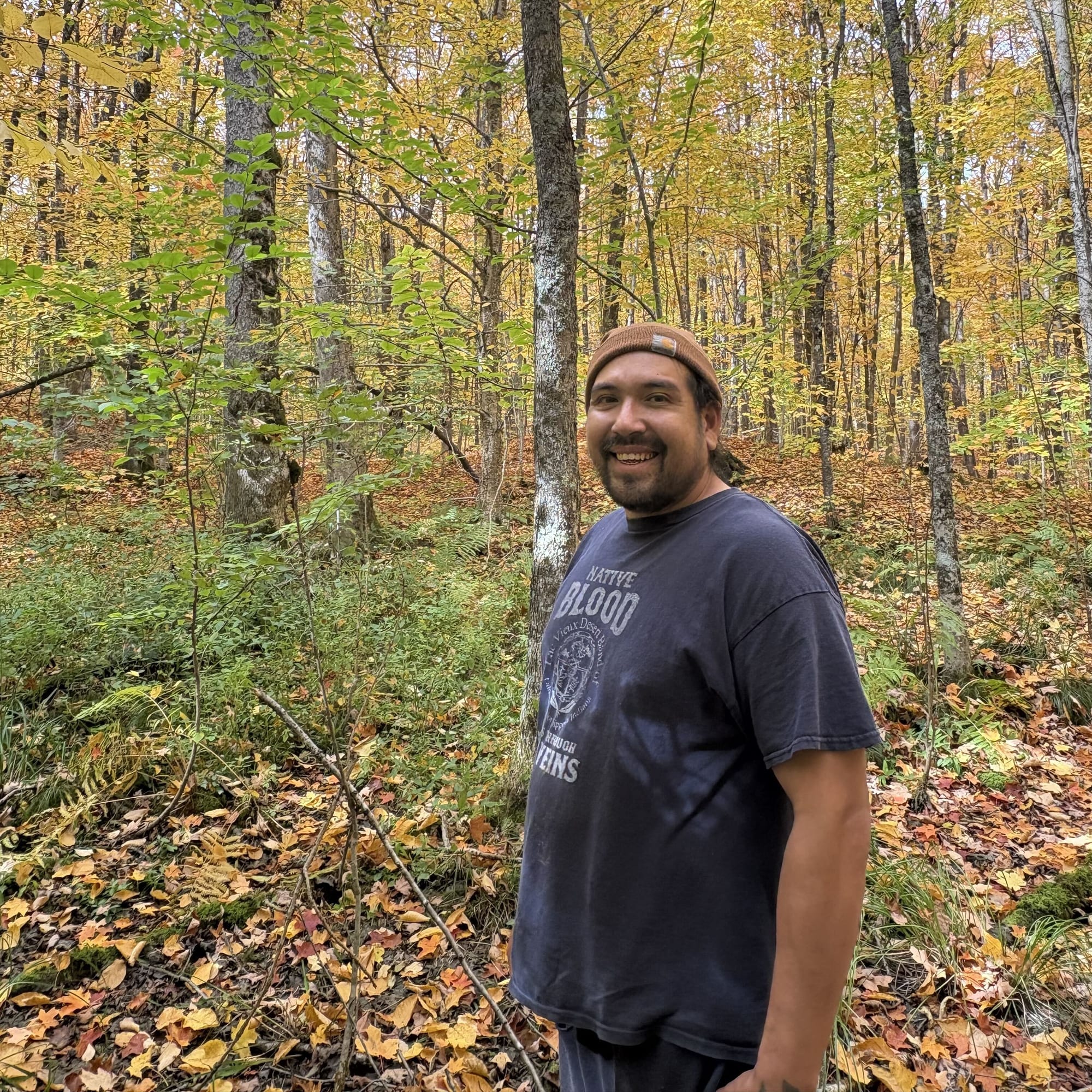
Siewertsen is the culture and language revitalization coordinator for the Lac Vieux Desert Band of Lake Superior Chippewa Indians. He crafts lacrosse sticks for his community and works with the U.S Forest Service to harvest ash trees to craft the sticks used to play. The wood is ideal for its light weight and strength.
He says the Forest Service’s current “prescription” for the pest is to leave the trees in the forest. No cutting, no selling.
But the service still allows him to harvest ash wood from the forest.
“People are talking about switching, trying to see if sugar maples will make the same sticks. But then you're cutting into a different resource too, then, right?” said Siewertsen.
The beetle even adds a layer of education to the game. Siewertsen uses the lacrosse sticks sporting the borers' carvings as teaching materials for kids learning to play and how it relates to the environment.
Back in her studio, April Stone, the basket weaver, spent time reflecting on the situation and the relationships she’s built with her surroundings. She came to a conclusion that falls outside the western instinct.
To do nothing.
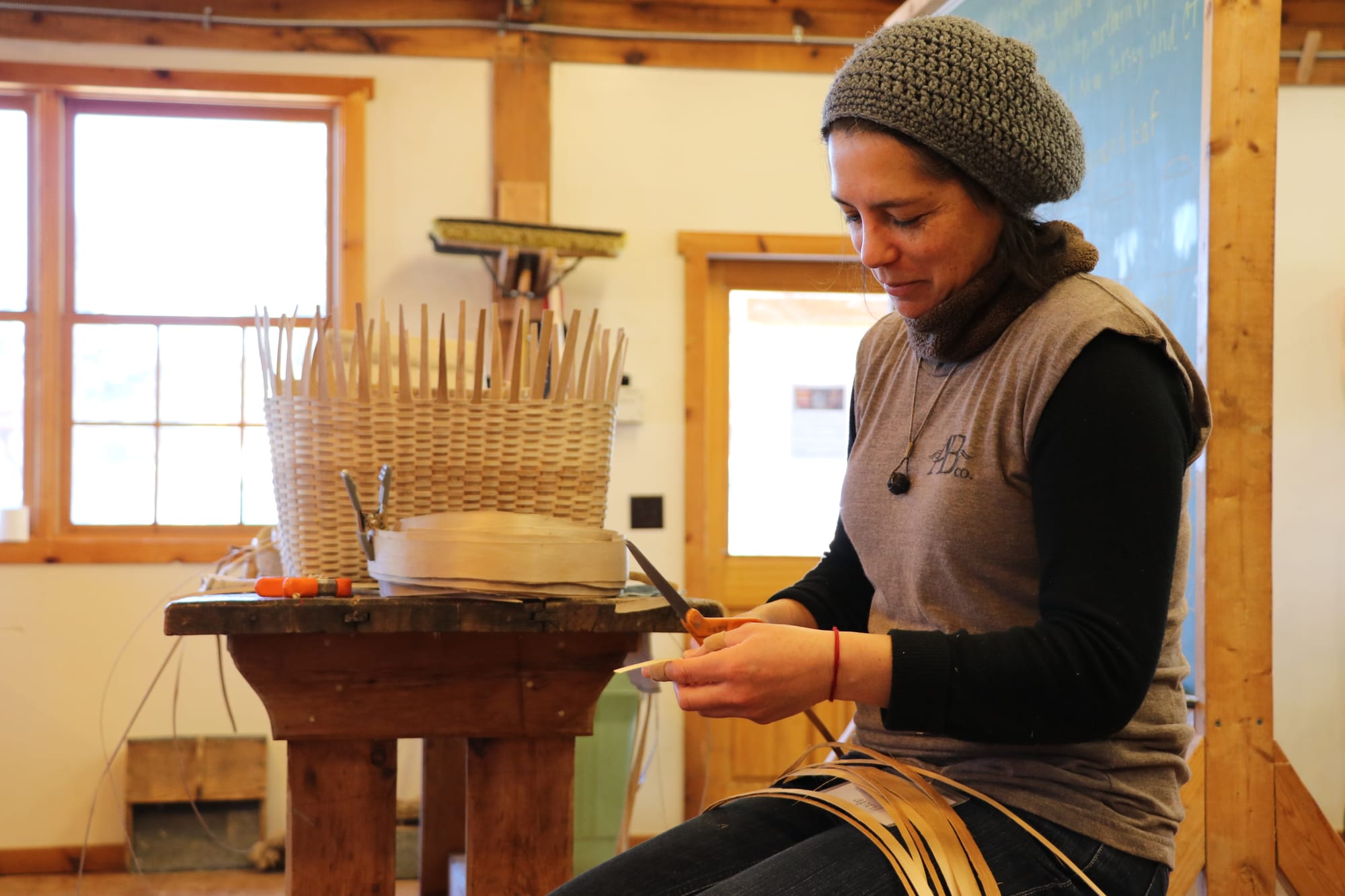
“The Ojibwe word for insect is manidoons, means ‘little spirit.’ Manidoonsag, ‘little spirits,’ and their role is as helper and messenger. So in the beginning, when I was angry, I realized, wait a second, what are these insects trying to tell us?”
This approach means taking notice of how the trees are reacting to the insect instead of jumping to control it. She also acknowledges that with the death of the trees, the baskets woven tell a new story about the being for future generations.
“Maybe we live more minimally, more in balance. Because for me, it's all about the balance, and baskets teach balance.”
It also means making more of an effort to look into the needs of the human and how those affect our natural world.


The beloved night birds have been in decline for decades. A researcher in the basin is on the hunt to find out why.

A cartographer is leading a basin-wide project that aims to put Indigenous knowledge of the Mississippi River on the map.


Two artists have built over 400 temporary glass sculptures in the basin, highlighting hidden connections between its rivers and streams.


In a tense meeting, SpaceX managers told locals the massive spaceport won’t affect them at all. Then locals pressed for specifics.

Environment and agriculture news from across the Mississippi River Basin — delivered straight to your inbox.