

Farmers wrestle with higher costs
As harvest season concludes, farmers and economists say rising diesel and fertilizer prices are eating into what could have been a profitable year.
As harvest season concludes, farmers and economists say rising diesel and fertilizer prices are eating into what could have been a profitable year.

For 25 years, Minnesota has been putting threatened mussels back into its rivers. Now, their numbers are growing.

Many places use pressure washing to keep invasives from spreading. But a look out west suggests alternatives.

As harvest season concludes, farmers and economists say rising diesel and fertilizer prices are eating into what could have been a profitable year.

On a farm in Pike County, Missouri, Christopher Hudson harvests corn and soybeans for as long as the day will allow. This time of year is like a race — a race against time. Farmers push their equipment to the max and hope it all pays off.
Missouri’s leading industry, agriculture, brings in more than $93 billion per year. This makes harvest season an instrumental time for the state’s farmers, rural economies and the region’s overall economic health. Farmers now have a clear idea how they’ll fare as the season draws to a close.
“We're going to have good yields, but we're still not going to make a ton of money,” Hudson said. “Between fuel and fertilizer, it's been a costly year.”
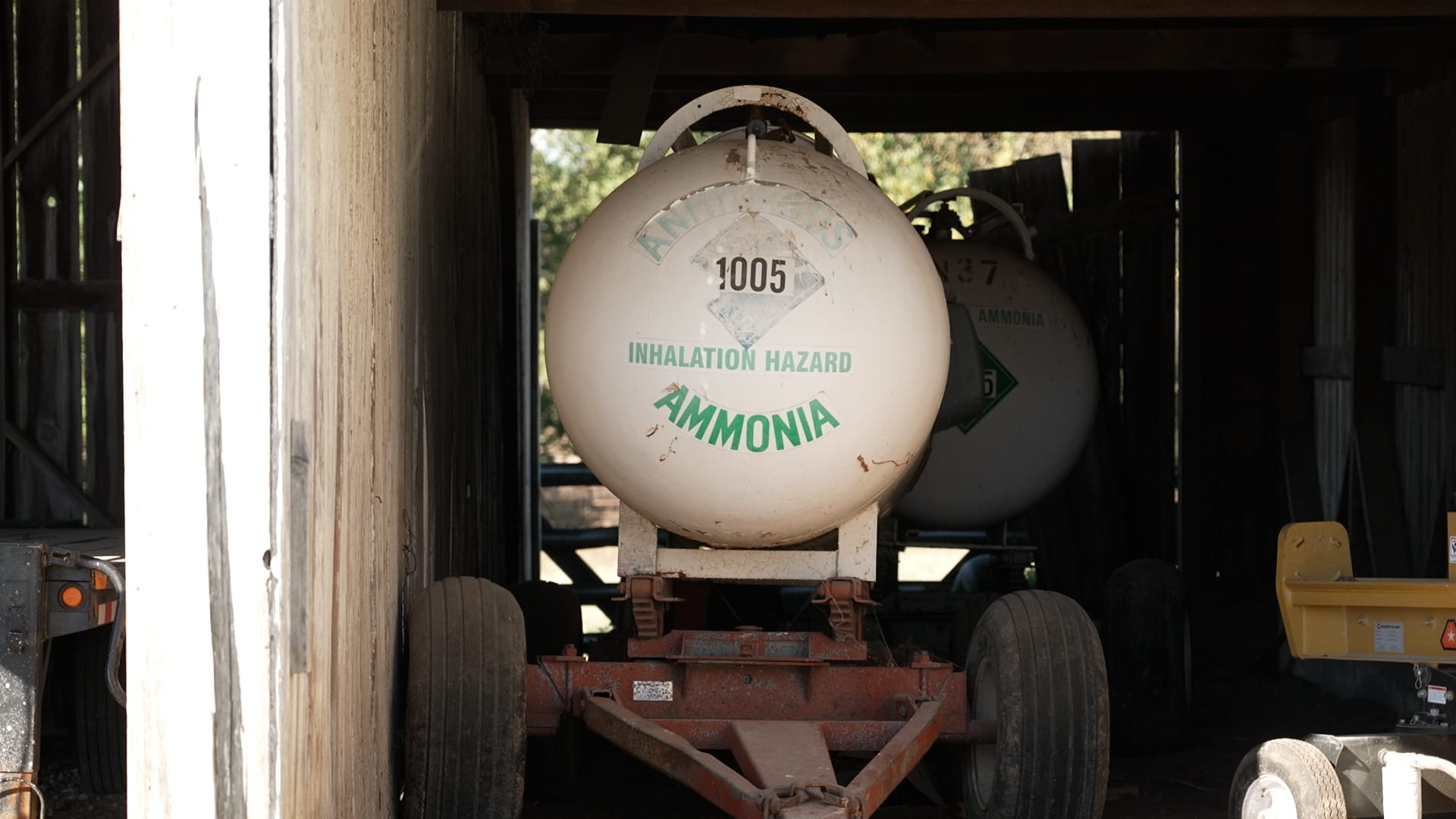
The Iran war contributed to high gas prices around the world. A unique cost burden fell upon farmers as fertilizer and diesel prices skyrocketed.
Diesel prices have increased almost $3 per gallon since the start of the year. The average corn or soybean farm uses three to nine gallons of diesel per acre in one season, increasing expenses by thousands of dollars. Meanwhile, fertilizer costs are at levels not seen since Russia invaded Ukraine in 2022. This has led some farmers to rethink and reduce certain fertilizers that Hudson and other corn growers often use.
Right now, farmers are using the most diesel they will all year gathering, processing and transporting this season’s yields. In late September, Missouri Gov. Mike Kehoe signed an executive order declaring a state of emergency for farmers at the height of harvest. Kehoe suspended restrictions on red-dyed diesel, a tax-exempt fuel dyed red and designated for off-road use, and weight limitations on agricultural vehicles for state highways and local roads.
We’re a nonprofit, and this season funds our reporting all year. Right now, NewsMatch doubles every dollar readers give.
Support from readers like you makes it possible for us to keep reporting stories on farming, food, water, climate, data centers and other essential topics. And it helps us ensure those stories reach millions of people across the Mississippi River Basin.
Will you help us reach our goal of $6,500?
This year's spikes in diesel and fertilizer, however, were not the beginning. High input costs and thin profit margins are typical. This makes any additional stress on farmers that much more impactful.
“Of course it's stressful, yeah,” Hudson said. “You're basically sowing seeds and praying for some rain is what it amounts to.”
Major investments and preparation for the season take place before spring, but farmers won’t begin to see a return until the fall — or even later.
Hudson stores a lot of his grain. He sells it once the harvest binge is over and commodity prices rise. This typically takes place a year or more after the first check for inputs and materials was signed.
“Financially, it's very much an asset trap business,” Hudson said. “Most people don't have that sort of capital available. So, there's a ton of financing in the ag industry.”
Farmers learn season by season what works and what doesn’t. They plan a year or more ahead of time determining crops and their rotation.
The business of agriculture is always uncertain, but geopolitical events, trade wars or extreme weather can make the return on farmers’ investments less predictable.
“It's the difference between risk and uncertainty,” said David Spielman, a professor and agricultural economist at Washington University in St. Louis who focuses on the connection between policy, agriculture and public health. “With risk, we know the probability that something might happen, and we know generally how big or how small the damage might be, right? With uncertainty, we don't even know the probability, much less the magnitude of the hazard.”
The risk is not just to rural economies. As Missouri’s top economic driver, farms have a hand in every industry. Direct or indirect, many jobs relate back to agriculture.
“In that sense, it has this multiplier effect, or it has what we call forward and backward linkages,” Spielman said. “Food and agriculture, they punch above their weight in our economy.”
Retail, manufacturing, energy and transportation are a few industries that connect back to agriculture and can be impacted by its success or failure.
Like many farmers, Hudson has a second job and diversifies his income. He sells supplies like seeds and fertilizers to other farms in his area. Farmers like Hudson are always looking at ways to improve their bottom line and increase efficiency.
“The reason I'm optimistic is every year is a new year and it's a learning experience,” Hudson said. “This is the time of year when some of those things we've been observing all year, you get to see the proof.”
Over the past 10 years, Hudson’s yields have become more consistent and grown, and he says this season’s harvest has been decent. He credits precision agriculture, improved management practices and shifting his planting windows.
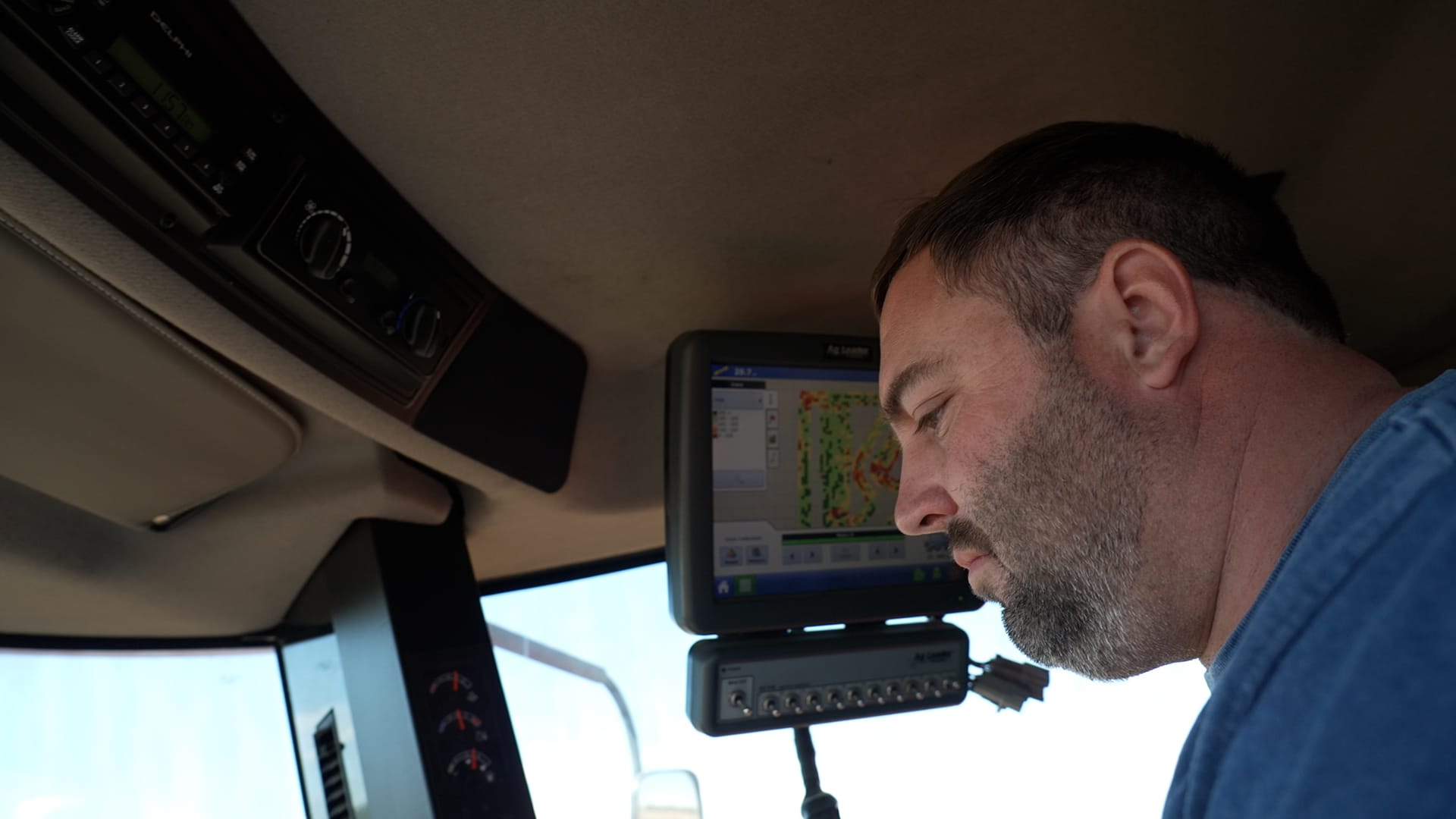
While there are government programs and federal crop insurance to relieve large losses, these are not a farmer’s first choice. Hudson says, if he’s taking insurance, then he’s simply making a smaller loss.
Spielman’s research focuses on technological solutions in combating risks. This includes diversification, farm management and improved plant genetics. In 10 more years, farming might not look the same. The industry is also seeing more consolidation and automation. What’s best for Missouri farmers and the industry as a whole is to be determined.
“There's no single strategy to keep it going. I think that's the point. Our farms are essential to our culture, our livelihoods and our food system here in Missouri,” Spielman said. “It's very clear that things will have to change. Now, what direction do you go in? That's a good question.”


A federal program promises to pay for farmland preservation. Few landowners are taking advantage.


Exports to China, the United States’ largest soybean buyer, still lag previous years


The Natural Resources Conservation Service is a federal agency that helps farmers protect soil and water and fight climate change. Advocates say those goals are in jeopardy.


The Trump administration wants to continue the use of the herbicide dicamba. That’s despite fears it’s killing sensitive plants.
Environment and agriculture news from across the Mississippi River Basin — delivered straight to your inbox.