It’s hard getting into farming. But for many, retiring is harder.
Farm groups help aging farmers pass the baton by offering financial — and practical — advice.
Farm groups help aging farmers pass the baton by offering financial — and practical — advice.

As harvest season concludes, farmers and economists say rising diesel and fertilizer prices are eating into what could have been a profitable year.

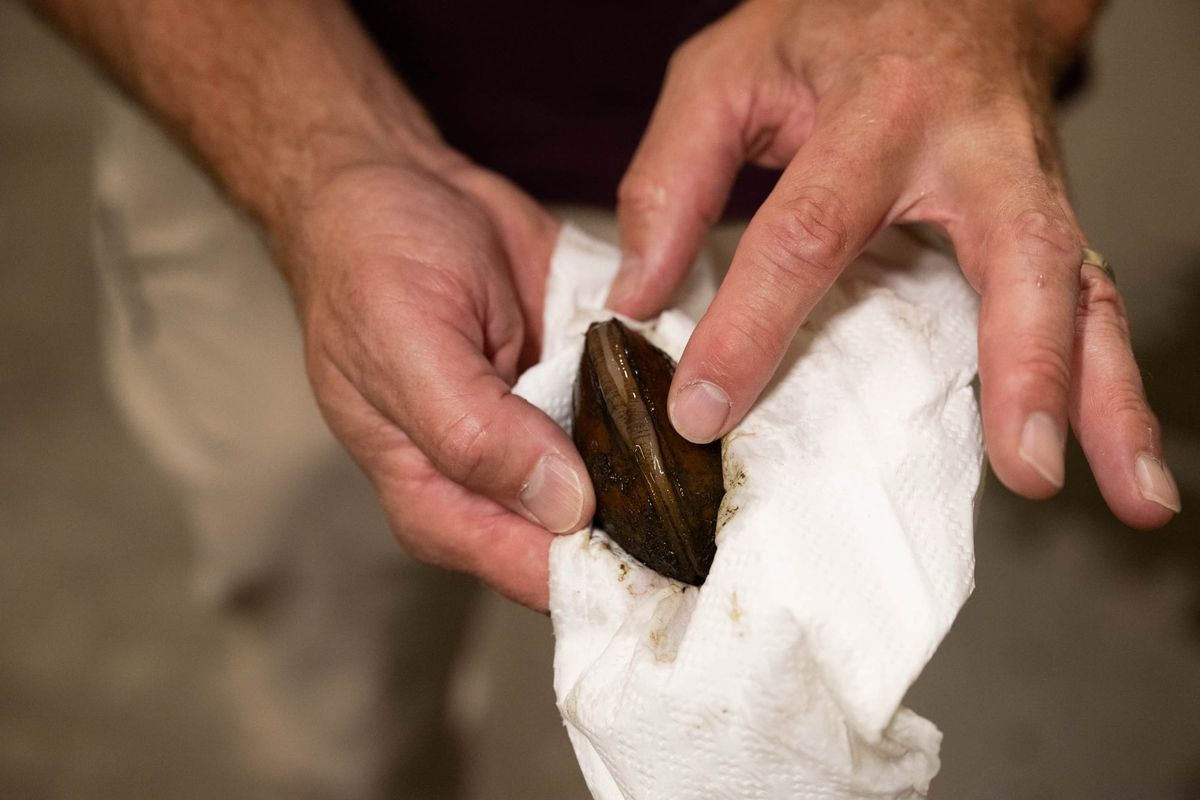
For 25 years, Minnesota has been putting threatened mussels back into its rivers. Now, their numbers are growing.

The Desk takes a tour of recent art inspired by the river.


Next week, we’re kicking off our year-end fundraising campaign. This time of year makes a big difference for the Desk because NewsMatch doubles every dollar readers give — up to $15,000. That means we’ll be in your inbox more often than usual asking for your support.
If you already know that you want to support the Desk, you can give now and we’ll take you off the list for our fundraising emails for the rest of the year. You’ll still get this newsletter, just no more future appeals.
“Big River,” “Back Water Blues,” Huckleberry Finn — for generations, the Mississippi River has inspired great art. And that’s the focus of a couple recent Desk stories: ambitious art projects rooted in the vast watershed we call home.
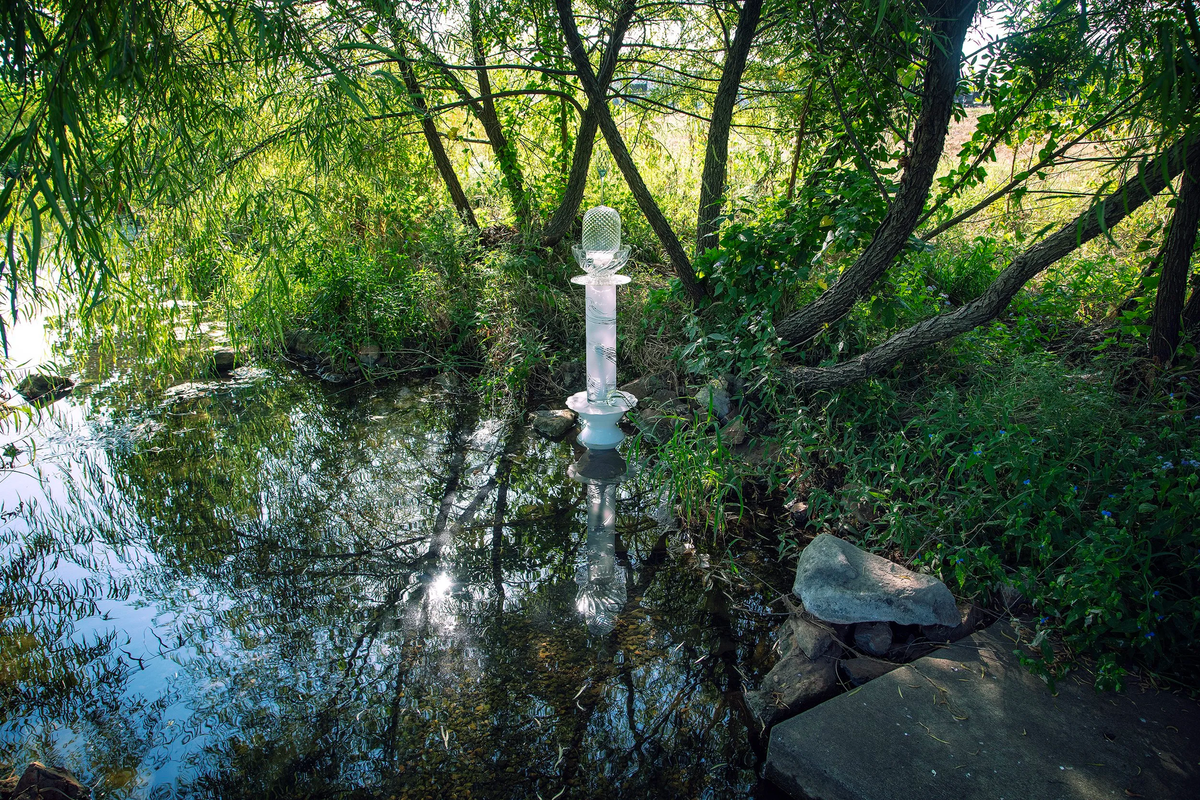
We’ll start in Springfield, Missouri, where Desk reporter Héctor Alejandro Arzate met in September with two artists who travel the basin, building delicate, fleeting sculptures of glass. They call these pieces “watershed cairns,” for the piles of stones that mark trails or sacred places — in this case, special sites in the watershed.
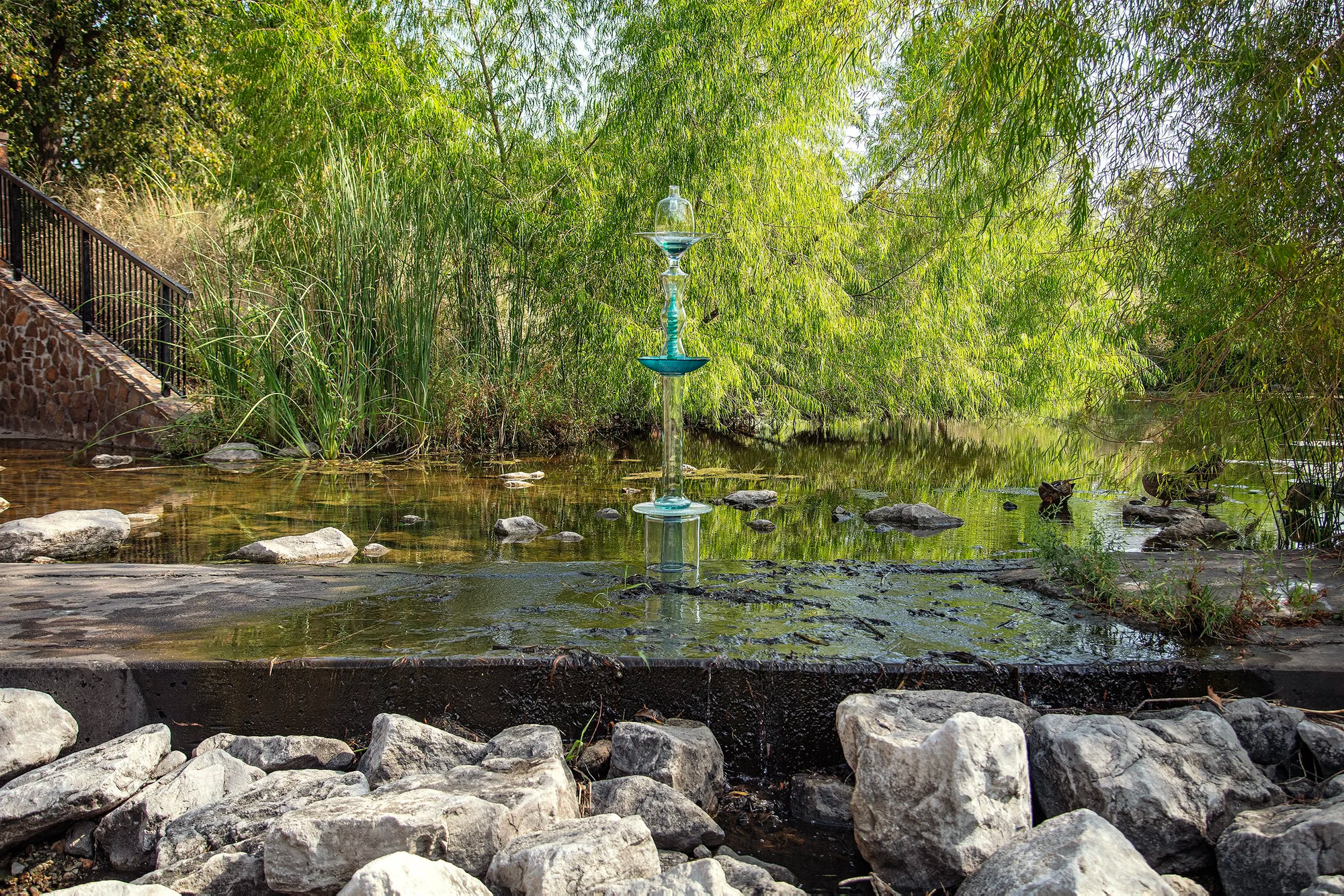
The fragile cairns draw your eye to the basin’s overlooked — and yes, fragile — water resources. I can’t get enough of the photos, natural and unnatural in equal measure. Here’s what Héctor shared from his reporting experience:
What I loved most about this story was getting to see firsthand their artistic process and how they intellectualize the downstream (and upstream) impacts throughout the watershed. It sounds complicated at first but then when you finally get to see the glassware, it all just feels very real and personal. To me, it’s a lot like your personal relationship to your local watershed. Once you know it’s there, everything starts to feel more interconnected.
 Héctor Alejandro Arzate
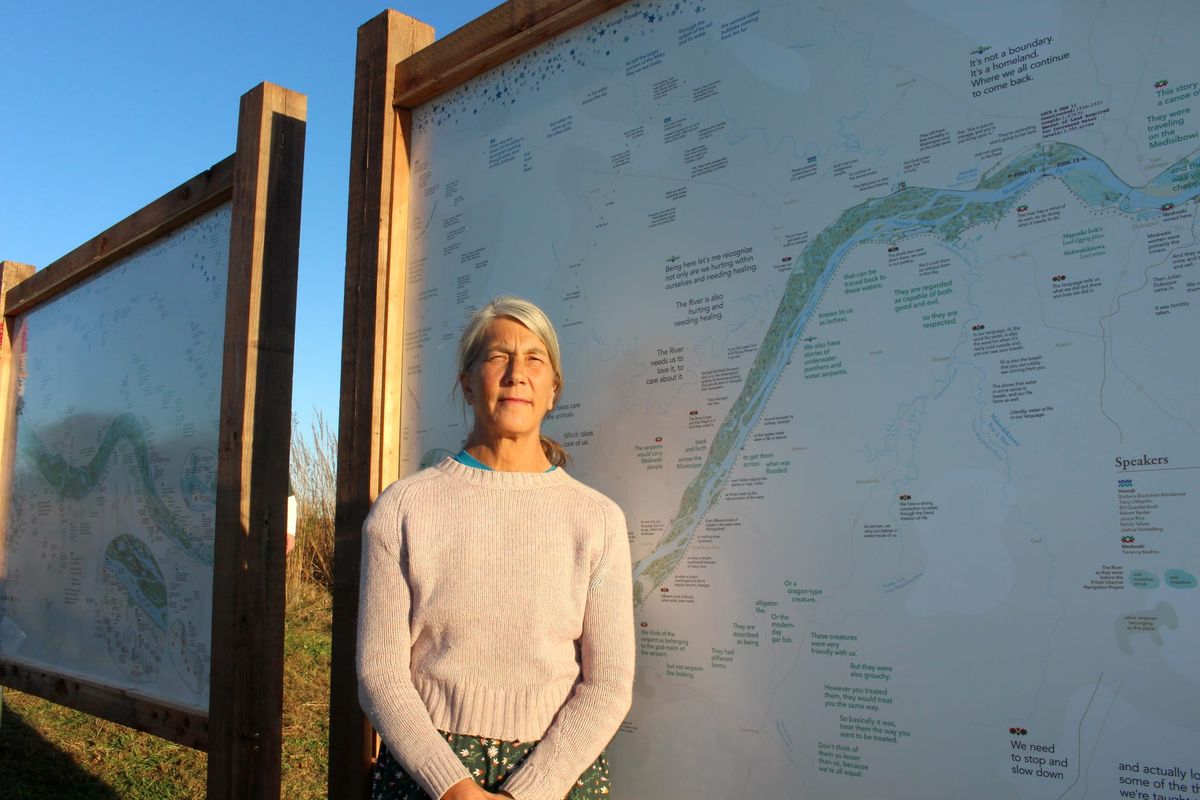
More recently, Madeline Heim of the Milwaukee Journal Sentinel took us to the bluffs of Galena, Illinois. There, Margaret Pearce, a cartographer and Citizen Potawatomi Nation member, just unveiled maps that aim to center Indigenous knowledge of the river.
The installations are part of Pearce’s ambitious Mississippi Dialogues project, which she hopes will eventually span the entire river. They bring together 1890s-era maps with perspectives of dozens of people from five tribal nations whose homelands lie along the river. The 1890s timing is key; this was before the installation of the lock-and-dam system — relatively recent interventions that have washed over Indigenous understanding of the river, Pearce said.
 agwaterdeskA basinwide project aims to put Indigenous knowledge of the Mississippi River on the map. 🗺️Watch on Instagram |
Here’s what Madeline shared about her story:
When I made the trip to Galena, Illinois, in October for the project’s opening reception, the emotion in the crowd was palpable. To me, art about the river is vital to our understanding of it. It digs deeper than words and facts could ever go, and touches the soul. Even as I wrote about Pearce’s work, I knew I could never fully capture the depth and breadth of what it means. That’s why you have to see it for yourself.
I found myself zooming in on Madeline’s photos to read snippets of interviews on the map. (That will have to do until I make it over to Galena — or Red Wing, Minnesota, where there’s another set of Pearce’s maps.)
One person says the word for water in their language is also “the word for when it’s really cold outside and you can see your breath.” They continue, “This shows that water in some sense is breath, and our life force as well.” This was a familiar image for me, from my own time living in the upper Mississippi River Basin, and offers a powerful example of the knowledge that Pearce wants to elevate.
 Madeline Heim
At the Desk, we believe stories about art are essential to our understanding of the river as any other. They help explain the ways the river shapes who we are and how we see the world.
Sincerely,
Lina Tran | 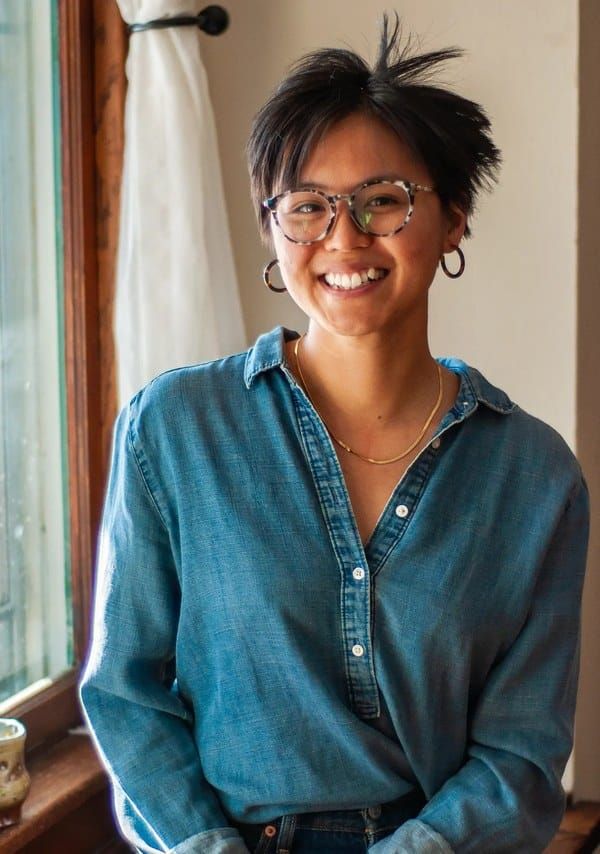 |
📝 Potential of Missouri River pipelines to Western states opens new front in upstream-downstream fight. New legislation would require approval from governors in all 10 Missouri River states before they study or build a project that moves water outside the watershed. One official who opposes the measure says good luck getting 10 states to agree. By Joshua Haiar, South Dakota Searchlight.
📝 Watchdog’s report urges Congress to take action on flood insurance. A new government report finds almost 90% of U.S. properties at risk of flooding don’t have flood insurance. By Elise Plunk, Louisiana Illuminator (Desk reporter).
📝 ICE enforcement surge hits workers across the food system. Reporting from Kansas details the impacts of heightened ICE operations, not only on meatpacking worker communities, but also farms and food prices. By Lisa Held, Civil Eats.
 Maria Peralta-Arellano
 Jenna Murray
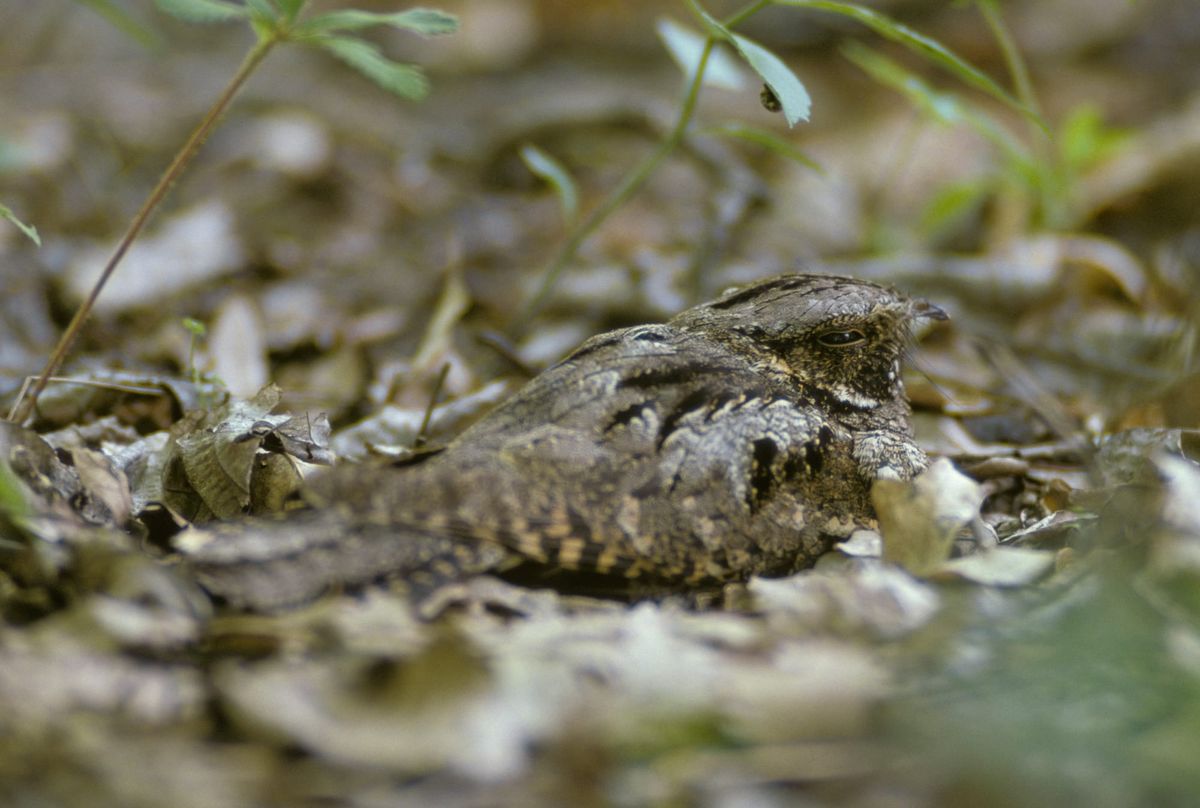
 Claire Carlson

Voters asked state and local politicians to play a more active role in regulating the data boom.


Our annual campaign starts today. Through Dec. 31, NewsMatch will double your gift.


Give now and opt of our future appeals — and your gift will be matched.

Desk reporter Madeline Heim of the Milwaukee Journal Sentinel dives into the newspaper’s archives.

Environment and agriculture news from across the Mississippi River Basin — delivered straight to your inbox.