

It’s hard getting into farming. But for many, retiring is harder.
Farm groups help aging farmers pass the baton by offering financial — and practical — advice.
Farm groups help aging farmers pass the baton by offering financial — and practical — advice.

As harvest season concludes, farmers and economists say rising diesel and fertilizer prices are eating into what could have been a profitable year.

For 25 years, Minnesota has been putting threatened mussels back into its rivers. Now, their numbers are growing.

Desk reporter Madeline Heim of the Milwaukee Journal Sentinel dives into the newspaper’s archives.


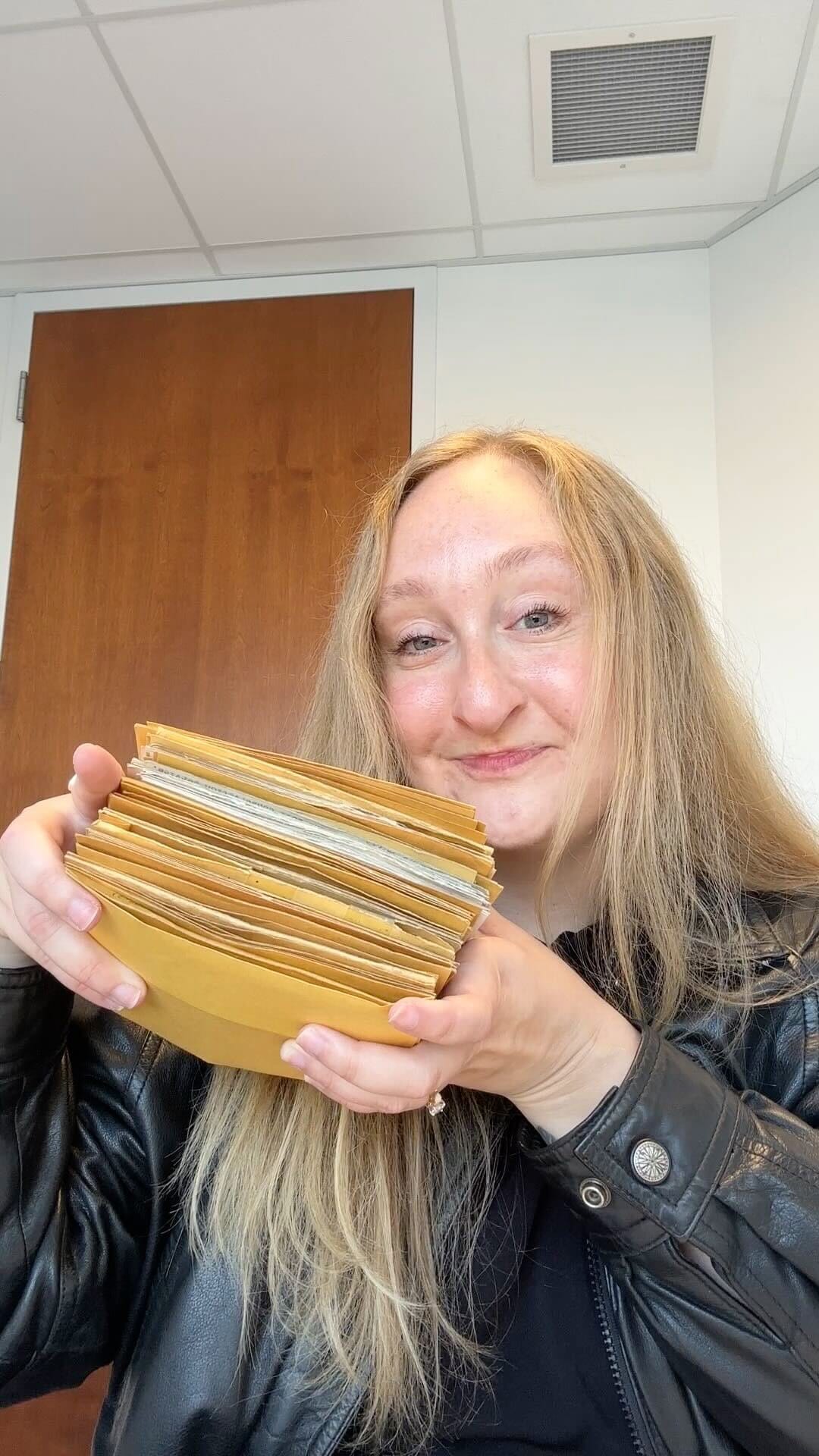
A little while ago, the Milwaukee Journal Sentinel thinned out its archives to make room for all the stories to come. I grabbed the articles we’d saved about the Mississippi River and spent some time poring over the ghosts of the river’s past.
The Milwaukee Journal and the Milwaukee Sentinel merged to become the Journal Sentinel in 1995, but their roots covering the city and the state date back to 1837. That means our archives are really robust — and it’s a great way for us reporters to get insight into how our beats were covered in the past.
As I opened each envelope, I found coverage much like the Ag & Water Desk produces today — stories about river health, record high and low water, flooding and barge traffic. I was excited to see names I recognized, including the father of a source I’ve interviewed who clearly sparked a family passion for the big river.
I read about some hijinks, including two Wisconsin men who wanted to set a world record for the fastest canoe trip down the river. One Minnesota performance artist, Billy Curmano, even swam the length of it over the course of a decade to advocate for better protections against pollution.
Here’s some of what he had to say about it, which probably still rings true to many of you:
“‘I don’t think people realize that all the water on Earth is interconnected,’” Curmano was quoted as saying, referencing the slogan, “We can’t all live upstream.” “‘I’m beginning to feel that none of us can live upstream.’”
Next year, it’ll have been 40 years since he started his swim — should I follow up?
There were even some direct connections to what I’m writing now. I found a 1925 headline about the building of the Black Hawk Bridge, which for almost a century spanned the Mississippi, connecting western Wisconsin with northeast Iowa. That historic bridge was demolished last year, and the one built in its place opens Nov. 6. Another 1924 headline about a drainage project halted in a peaceful part of the Mississippi River backwaters caught my eye — that was the impetus for the creation of the Upper Mississippi River National Fish and Wildlife Refuge, which celebrated 100 years in 2024.
I love thinking about the reporters who came before me who cared about the river as much as I do, enough to document its literal and figurative twists and turns in a first draft of history. I can only hope that some day far in the future, the Desk’s reporting serves that same purpose.
Sincerely,
Madeline Heim |  |
P.S. While I worked on this newsletter, I was also cheering on my hometown Milwaukee Brewers as they make a run for their first-ever World Series title. Did you know that high-intensity, high-emotion sports moments actually affect our brains? You can learn more here.
📝 Microplastics trigger inflammation linked to disease and death. Now scientists appear to have discovered why. A new study sheds light on how microscopic plastic pollution in drinking water damages red blood cells. It’s the latest installment in the Tribune’s series on the danger of plastic in the Great Lakes. By Michael Hawthorne, Chicago Tribune (Desk expert journalist).
📝 Conservationists sound the alarm on Trump’s Endangered Species Act changes. What does it mean to “harm” protected plants and animals? The federal government is narrowing longstanding interpretations of the law, which conservation groups fear will jeopardize vulnerable species. By Anna Pope, KOSU, Harvest Public Media.
📝 Where opposition to data centers and renewable energy projects converge. A rural sociology professor explains what shapes a community’s resistance to major infrastructure projects. By Dan Gearino, Inside Climate News.
 Madeline Heim
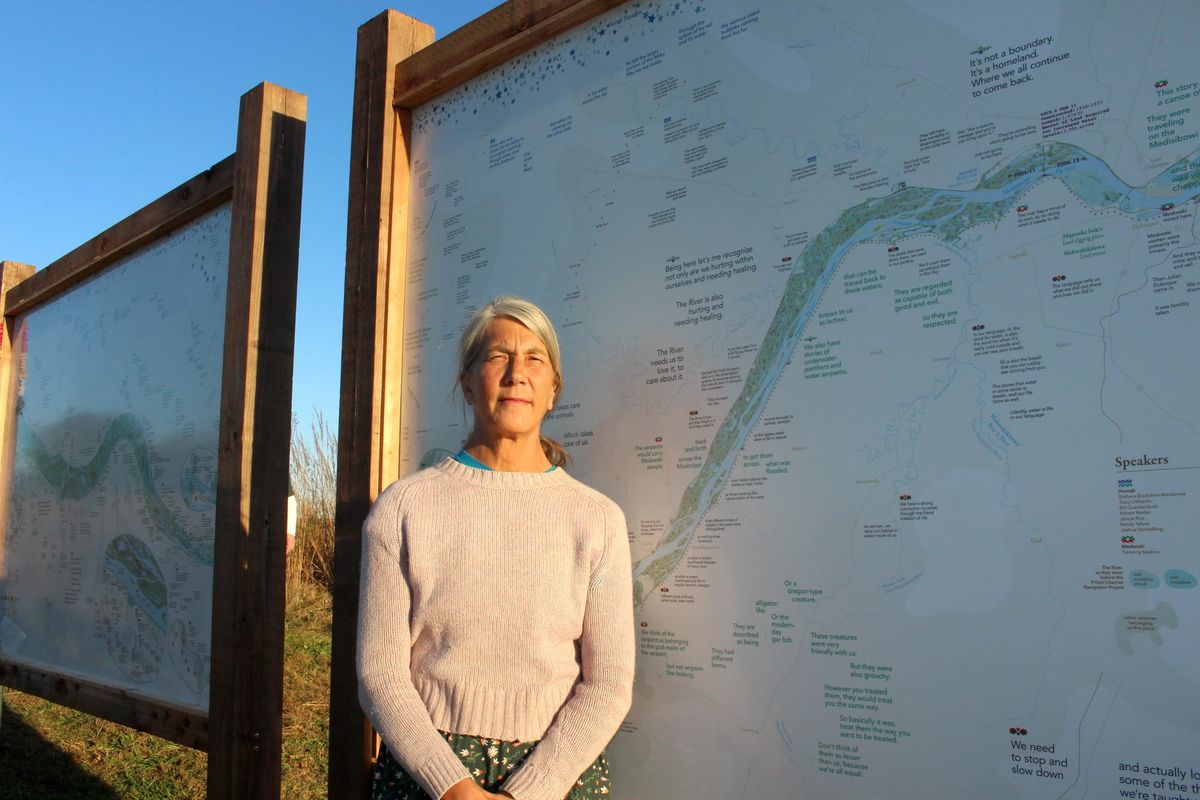
 Claire Carlson
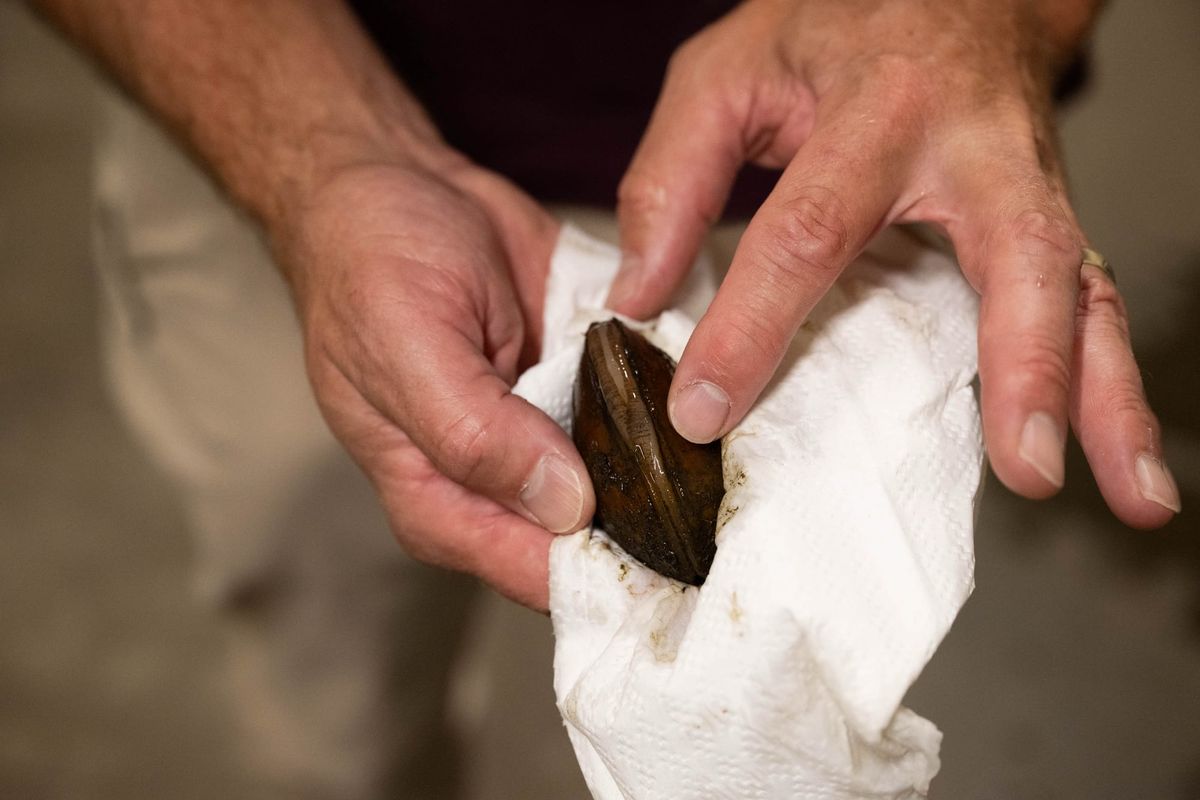
 Héctor Alejandro Arzate


Voters asked state and local politicians to play a more active role in regulating the data boom.


Our annual campaign starts today. Through Dec. 31, NewsMatch will double your gift.


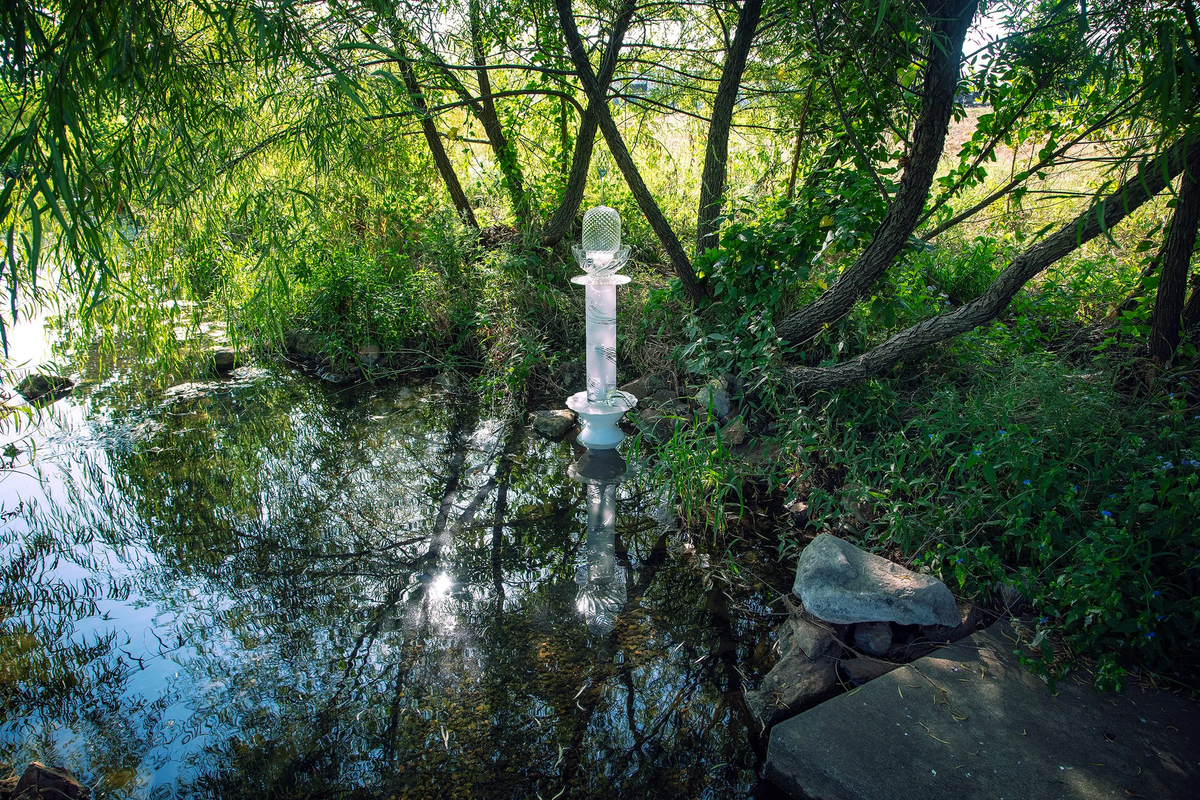
The Desk takes a tour of recent art inspired by the river.


Give now and opt of our future appeals — and your gift will be matched.
Environment and agriculture news from across the Mississippi River Basin — delivered straight to your inbox.
 agwaterdesk