

These unsung shellfish help protect the drinking water for half a million Minnesotans
A unique human-mollusk partnership at the Minneapolis Public Works water treatment plant provides early alerts on pollution.
A unique human-mollusk partnership at the Minneapolis Public Works water treatment plant provides early alerts on pollution.

Two artists have built over 400 temporary glass sculptures in the basin, highlighting hidden connections between its rivers and streams.

In a tense meeting, SpaceX managers told locals the massive spaceport won’t affect them at all. Then locals pressed for specifics.

Desk reporter Delaney Nolan gets a rare look inside a high-stakes SpaceX community meeting.


A few weeks ago, Desk reporter Delaney Nolan of The Lens sat in on an unusual conversation. Officials from SpaceX had agreed to talk to residents of Pecan Island, Louisiana, about the enormous launch center the company has planned along the Gulf Coast.
SpaceX says it wants to perform up to 30 launches a day from Pecan Island, ferrying people to and from space as casually as we might now visit a coffee shop. And this project isn’t meant to be the last. SpaceX hopes to build more such launch sites elsewhere — the infrastructure for affordable space travel.
There were efforts to limit the meeting to locals only. Two people had been asked to leave before Delaney arrived. But she was able to stay and take everything in, offering a rare look at what happens when SpaceX is pressed for details.
Here is what she says it was like to be a fly on the wall during the tense meeting:
"It was fascinating to be in the room while SpaceX reps were confronted with the locals who will be impacted by the planned massive spaceport. These high-level director types spun visions of cities on the moon — but the 100-odd Pecan Islanders brought them back to Earth (apologies for the pun). The locals were unmoved by promises of lunch in orbit — they live here, now, in Louisiana. What will it do to their water? Their homes? Their wetlands? As locals told me afterwards, it was the first time they got to speak directly with SpaceX reps about their concerns."
One man came away certain that safety protocols surrounding the frequent launches will cut him off from land where he keeps cattle. Others raised fears that launch debris will affect fishing. And what will become of the migratory birds that pass through the area? SpaceX conceded that they’ll likely scatter, but one official promised the company will go find them.
 Delaney Nolan
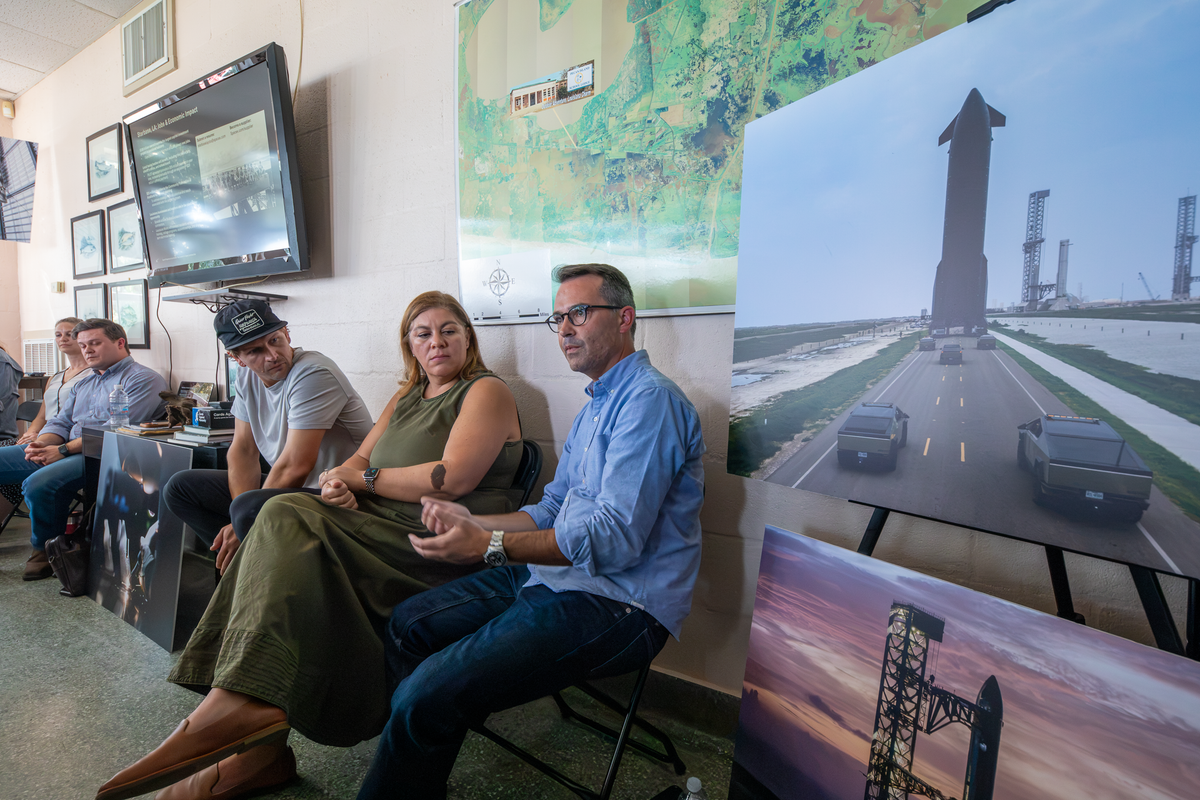
Getting access to this meeting was the result of Delaney’s strong, on-the-ground reporting. She has done a great deal of background reporting to understand the issues posed by the project, and she has been getting to know Pecan Islanders for weeks. But the most skillful aspect of her story for The Lens is how she stepped back and let them ask the tough questions.
Sometimes getting a good story means working a beat for years. Sometimes, it’s months of digging through records and tracking down the right people. Sometimes, it’s exhaustive data analysis.
And sometimes, a good story is the result of being present and listening.
If you haven’t already, please visit our website and give Delaney’s story a read. You will come away from her account with a better sense of the bigger picture.
Sincerely,
Chas Sisk |  |
🎧 Crannonball! Visitors jump into the harvest at MN’s only cranberry farm. There’s just one commercial cranberry farm in Minnesota, and it recently opened its doors for the harvest. Jumping into the flooded cranberry bog ensues. By Stella Meyerhoff, KAXE (Desk reporter).
📺 Can agritourism save small farms? Whether it’s apple picking or goat yoga, agritourism provides an extra income stream for small farms and can support rural economies. But there are hurdles preventing the industry from taking off. By Rose LaForest, NinePBS (Desk reporter).
📝 Louisiana is rethinking how rivers can restore its coast. A 24-year-old accident in land building could offer lessons. Last year, Louisiana cancelled an ambitious, $3 billion plan to tackle its land loss crisis. Nevertheless, the state is moving ahead with a series of smaller-scale diversions along the Mississippi — projects that funnel sediment-rich water into wetlands and help rebuild land. By Tristan Baurick, Verite News (Desk news partner).
 Héctor Alejandro Arzate
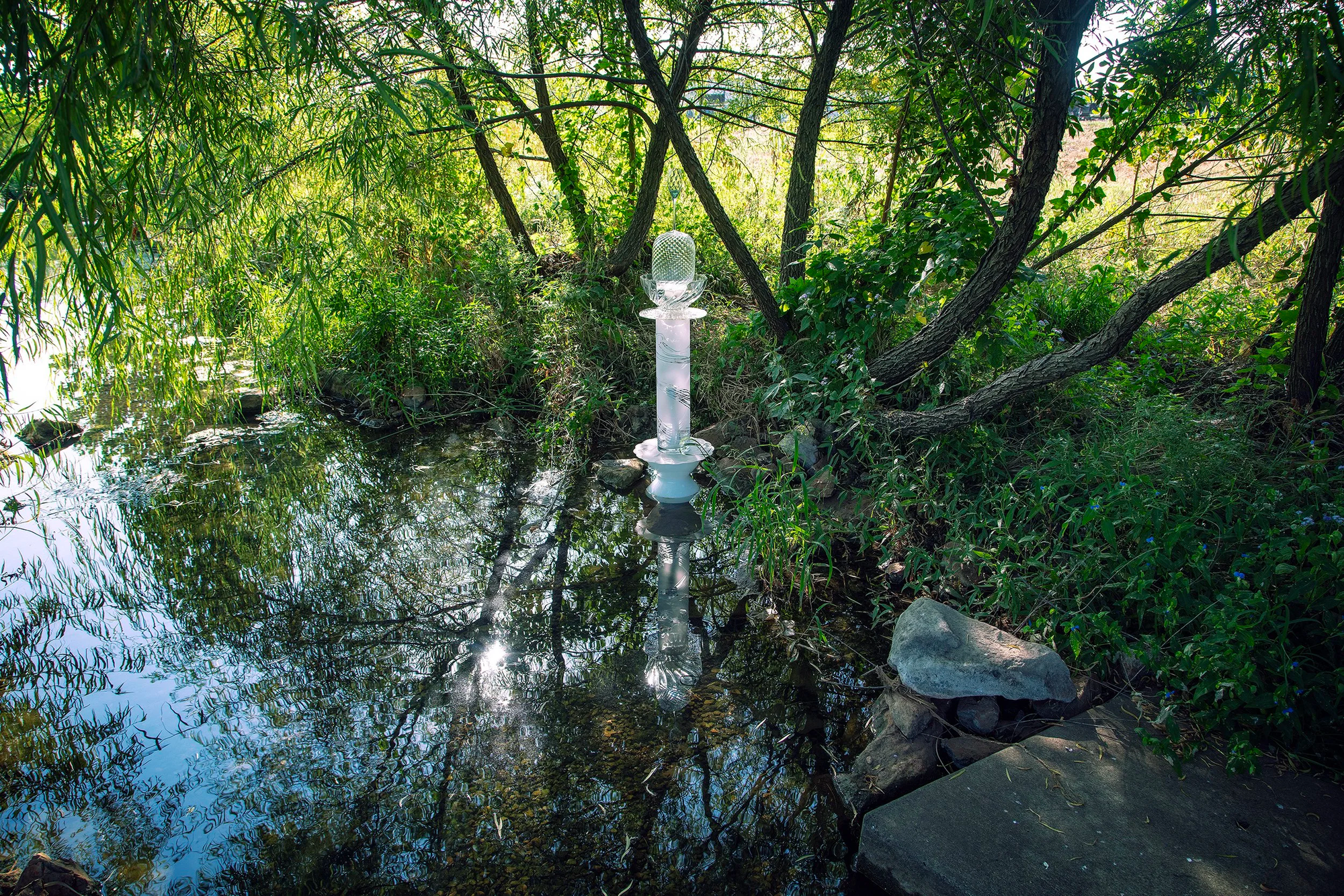
 Jana Rose Schleis
 Rose LaForest

An agreement in Mississippi shows the limits of companies’ promises to communities.

Desk reporters dig deep into pollution, drought and AI


The Desk's editorial director reflects on the importance of observing nature
Environment and agriculture news from across the Mississippi River Basin — delivered straight to your inbox.
