

How some Indigenous artisans are rethinking their craft as ash trees die
Since its arrival in around 2002, the emerald ash borer has swept across the Midwest and East Coast. Indigenous artists who rely on ash are adapting.
Since its arrival in around 2002, the emerald ash borer has swept across the Midwest and East Coast. Indigenous artists who rely on ash are adapting.

Farm groups help aging farmers pass the baton by offering financial — and practical — advice.

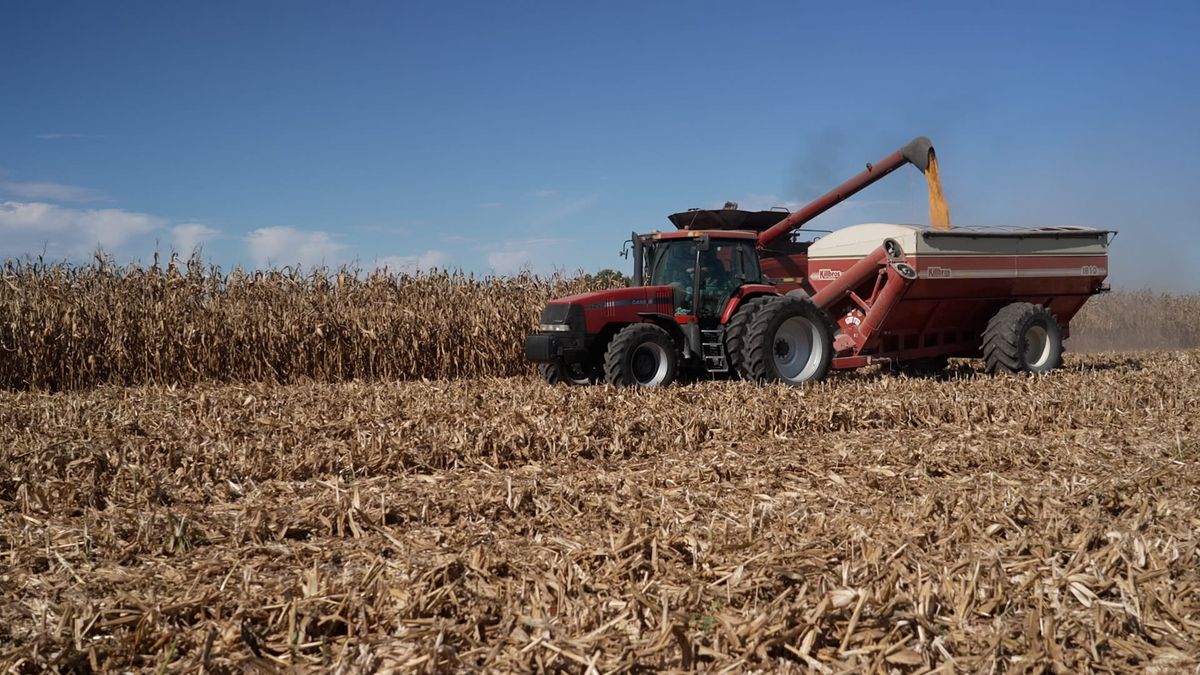
As harvest season concludes, farmers and economists say rising diesel and fertilizer prices are eating into what could have been a profitable year.

Next year is the 100th anniversary of the Great Mississippi Flood. Its legacy is still with us.



7 journalism honors this year, including an Indigenous Journalists Association and a Sigma Delta Chi award. Your support keeps award-winning reporting free for any newsroom to share.
What is your “great flood”? That’s not a rhetorical question. It’s one that we’d like you to answer for us. But more on that later.
My “great flood” came in May 2010. I was a young newspaper reporter in Nashville when 19 inches of rain caused the Cumberland River to rise more than 30 feet in just two days. We’d been told that we were in for some rain that weekend. But standing in my kitchen that Sunday morning, I watched the rain gauge on our back fence rise visibly by the hour, and I knew this was an event unlike any I’d ever experienced. I called my boss to find out where I should start reporting. She pointed me toward Midtown, so I put on my rain boots, went out with my smart phone (a new technology then) and started shooting video, in the hope images would show Nashvillians the enormity of what was taking place. Because words could not.
Nashville had not experienced such a flood since the 1930s, and for good reason. The dams put in place during the New Deal had done an effective job of controlling the Cumberland — to the point that many of us assumed Nashville could not be overtaken again by the river. But this storm would drop more rain on Nashville in two days than the city had ever experienced in a single month of May, overwhelming management plans and knocking out internet communication between the Army Corps of Engineers and the National Weather Service. By the time the flood receded, everyone had been taught a lesson about the unmatched power of water.
I think of that experience often when I think of the Great Mississippi Flood of 1927. Few people alive today can recall the disaster, but its legacy is all around us. After the flood, the country took a new approach to managing its rivers, especially in the Mississippi Basin. On the Lower Mississippi, spillways and other structures were built to relieve pressure on levees and mitigate the damage from flooding. Elsewhere in the basin, a network of dams was constructed with the dual purpose of providing navigation and controlling the water as it tumbled down from the Appalachians, the Rockies and the Headwaters region.
Next year, the Desk will mark the 100th anniversary of the Great Mississippi Flood. We will tell the story of the disaster. We will talk about the floodworks and the social changes that followed it, including its role in accelerating the Great Migration of Black Southerners to the Northeast, Midwest and West Coast. We will discuss how the flood continues to shape the ways we live alongside our rivers, a century later. And we will explore ideas about how we should live with our rivers over the next century.
To tell that story, we need your help. We need you to tell us about your “great floods” — the events that have shaped and challenged how your community lives alongside its river. That event might be the Great Flood of 1993. Or it might be Hurricane Helene in 2024. Or the August 2016 flood in Baton Rouge. By exploring these events, we as a Desk hope to gain insights into our relationship with rivers, identify the strengths and weaknesses of our post-1927 approach, and share lessons gathered in the decades since.
To put it another way, the Great Mississippi Flood may be history, but “great floods” are not. They are still a part of our lives, and likely will be as long as people make their homes next to water.
So please send me your thoughts and experiences with flooding in the basin. You can reach me at chas@agwaterdesk.org.
I look forward to hearing from you!
Sincerely,
Chas Sisk | 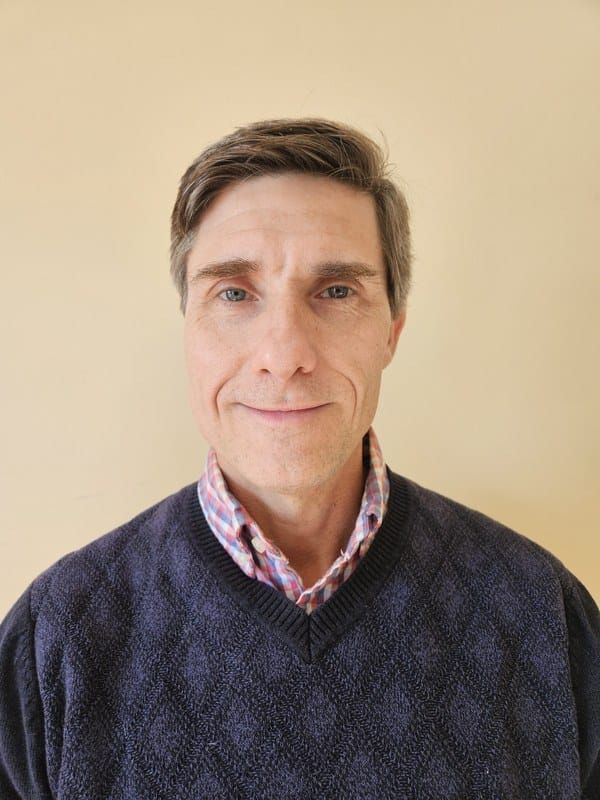 |
📝 ‘We have to adapt:’ Groups propose using nature to relieve 7th Ward flooding. A New Orleans nonprofit and its partners traveled to the Netherlands to learn about green infrastructure that can help control flooding. By Halle Parker, Verite News. (Desk newsroom)
📝 Flying blind: How the EPA let a key chemical-detection program unravel. A plane used to detect dangerous chemicals near disaster sites has been grounded, including during a 2025 oil fire in Louisiana. By Ames Alexander, Floodlight.
📝 Nature lovers rallied to save park land, but Jackson County official says big problem remains. In Kansas City, a plan to explore the sale of the Blue River Glades natural area has been stopped. By Josh Merchant, The Beacon.
 Jana Rose Schleis
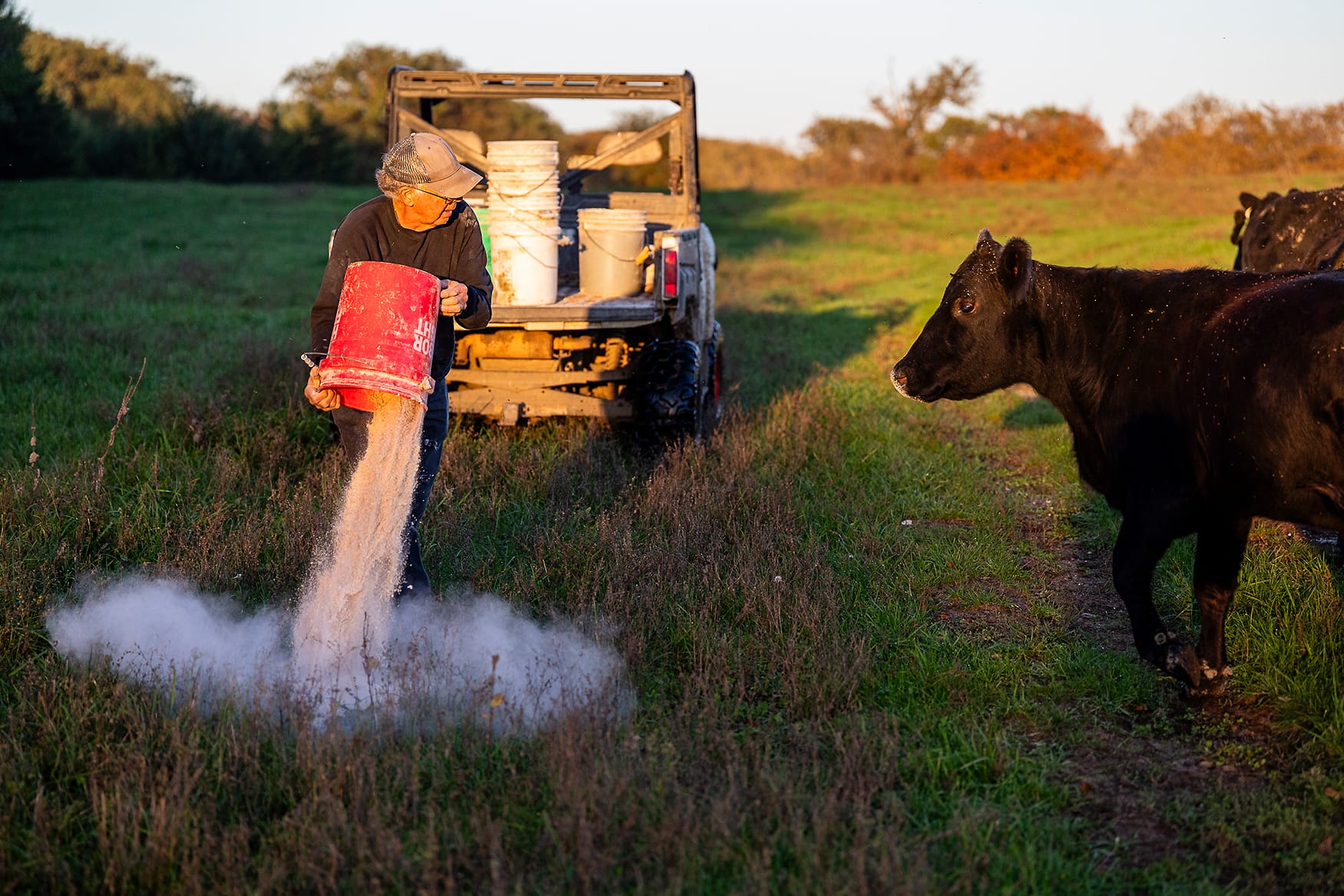
 Rose LaForest
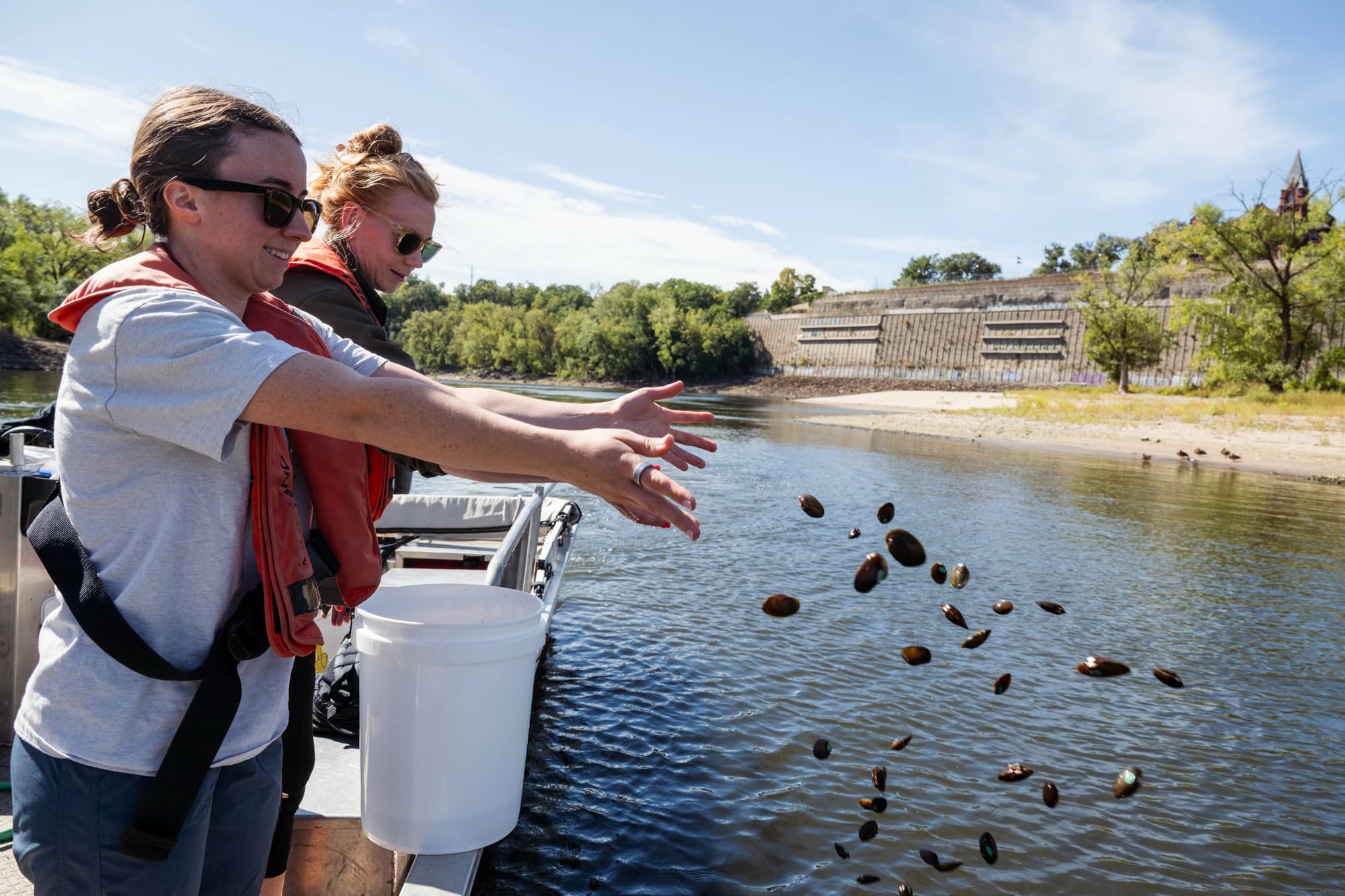
 Claire Carlson

Student reporters built a playbook that ran in close to 100 publications. Help us keep going.


Voters asked state and local politicians to play a more active role in regulating the data boom.

Our annual campaign starts today. Through Dec. 31, NewsMatch will double your gift.

The Desk takes a tour of recent art inspired by the river.

Environment and agriculture news from across the Mississippi River Basin — delivered straight to your inbox.