

Researchers, patients optimistic in fight against alpha-gal syndrome
A support group and a lab in the St. Louis area provide resources for people with the allergy to mammal products — and evidence that its effects can be reversed.
A support group and a lab in the St. Louis area provide resources for people with the allergy to mammal products — and evidence that its effects can be reversed.

The Gulf’s Flower Garden Banks has been viewed as healthy, but a new study shows signs of damage.

More than three-quarters of member cities in a Mississippi River coalition have been approached to host AI infrastructure.


Our collaborative, now a year old, is embarking on an exciting new chapter. Our funding is expanding and we’re adding more newsrooms and reporters to our cohort, enabling us to tell more and deeper stories of this watershed at a transformative moment in its history.
We are excited to share that the Walton Family Foundation will extend its support of the Ag & Water Desk for three more years with a new $2.47 million grant — a more than $1 million increase over our founding grant in 2021.
This expanded support will help us add 10 more newsrooms, with 10 new Ag & Water Desk reporters, to our current team. We especially hope to grow our coverage in the South and reach outlets serving communities of color. News outlets in the basin are invited to apply by Sept. 18 to host one of these positions through Report for America.
We’d love for you to reach out to your local newspaper, TV or radio station, or community news outlet, and encourage them to apply to join us. Scroll on for a quick template you can use to do so. And as always, stay tuned for more stories — thanks for being with us!
Yours,
Annie Ropeik
Ag & Water Desk Assistant Director
Watch this video by Report for America about the mission of the Ag & Water Desk.
Here’s a quick email template you can use to let a local editor know about the opportunity to get a new environmental reporter as part of our team.
Feel free to add your own personal touches on it! You can copy our Editorial Director Tegan Wendland at tegan@agwaterdesk.org if you wish. We also have an info session on Aug. 16.
Dear editor,
I want to read more news about our community’s changing relationship to the Mississippi River basin. That’s why I encourage you to take advantage of an opportunity to add a new environmental reporter to your newsroom, with financial and editorial support as part of a national network.
There are 10 reporting positions available through Report for America and the Mississippi River Basin Ag & Water Desk, a watershed-wide journalism collaborative. These positions come with 50% salary coverage in the first year, editorial support, training and more. You can email editor Tegan Wendland with questions at tegan@agwaterdesk.org. Applications are due September 18: https://agwaterdesk.org/2023/08/03/host-desk-journalist-2023/
The Mississippi is at the heart of where we get our food and water, and it’s seeing unprecedented changes. I know it’s also a time of unprecedented strain for local news outlets. Adding one of these reporters would help expand your coverage of these urgent issues, while increasing your reach in national and local outlets across the country. I hope you’ll consider it.
Sincerely,
(your name & location)
If you live in the Mississippi River watershed, we want to hear from you for our series A Changing Basin.
How are you dealing with floods and intense rainfall, extreme heat and humidity, wildfire smoke and other new hazards? How is your community responding?
Let us know and please share with friends and family!
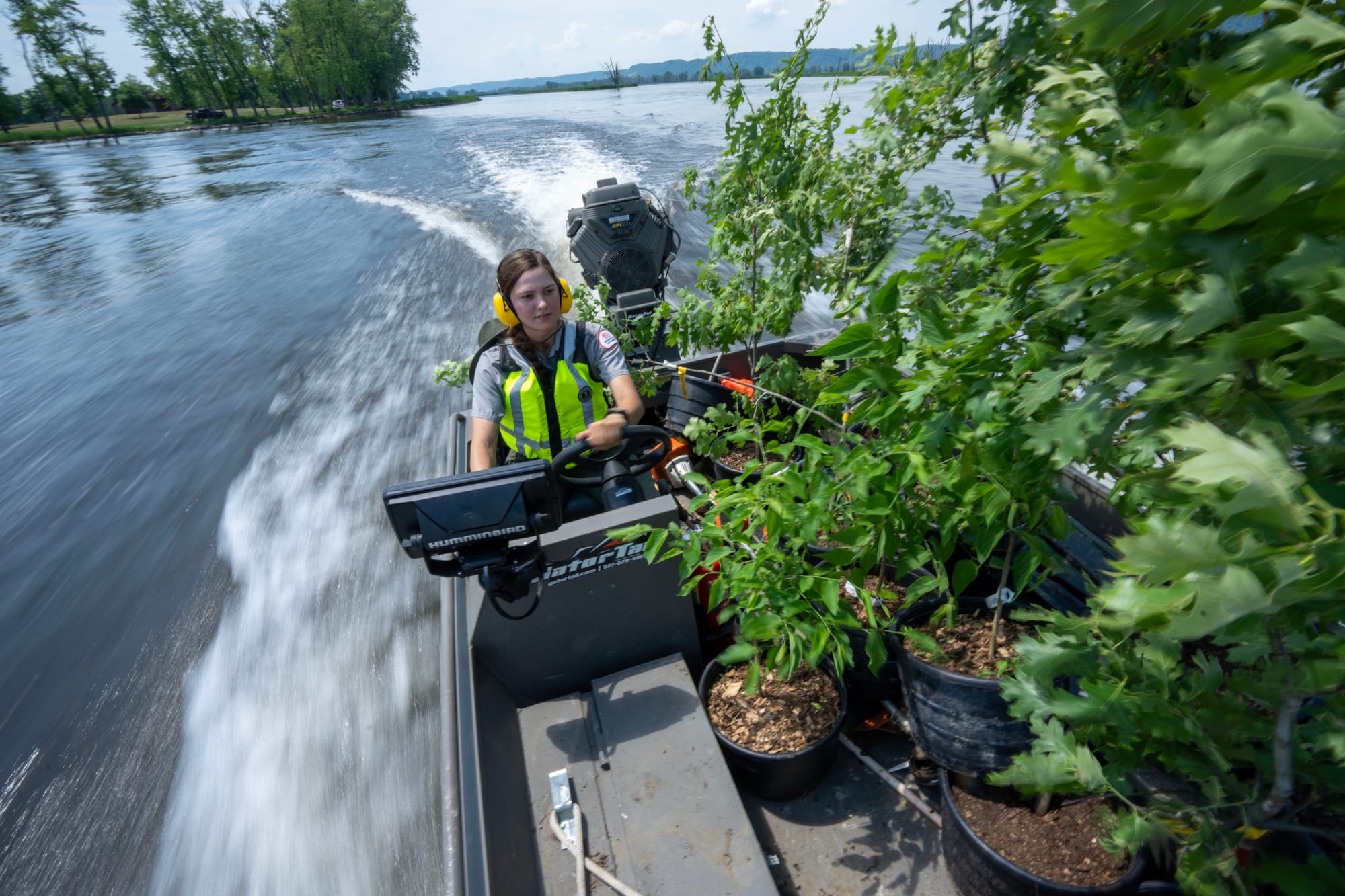
The Mississippi River’s floodplain forests are dying. The race is on to bring them back.
By Madeline Heim, Milwaukee Journal Sentinel — Aug. 4, 2023
➤ “It’s really difficult to say, ‘Why here? What caused this?’” said Andy Meier, a forester with the U.S. Army Corps of Engineers. “How do you restore it, being confident you won’t just have the same thing happen again?”
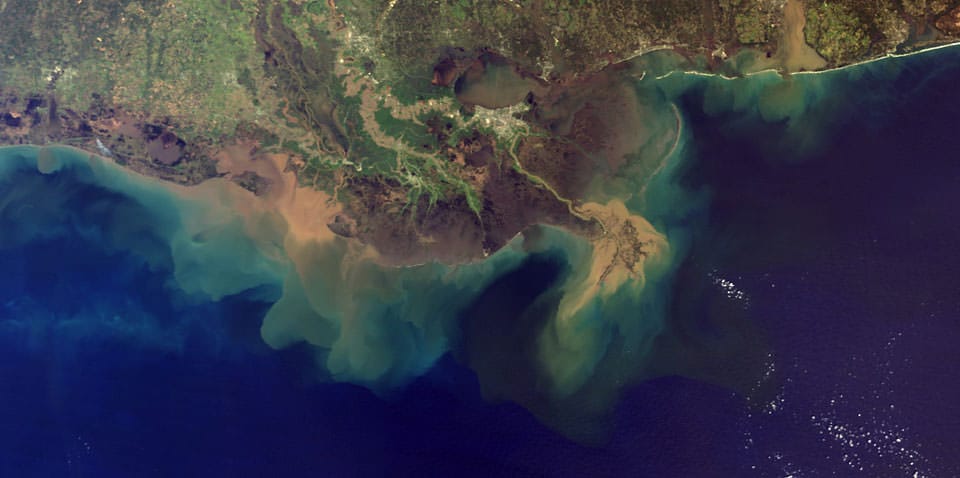
By Delaney Dryfoos, The Lens — Aug. 3, 2023
➤ Experts say the slight decrease was not likely due to ongoing efforts to reduce the harmful runoff carried downstream by the Mississippi River. Instead, it’s largely due to low water flow on the Mississippi and to fluctuating ocean temperatures.


Desk reporters dig deep into pollution, drought and AI


The Desk's editorial director reflects on the importance of observing nature

Reflections on our assistant editorial director's first month on the job.

Environment and agriculture news from across the Mississippi River Basin — delivered straight to your inbox.