

Researchers, patients optimistic in fight against alpha-gal syndrome
A support group and a lab in the St. Louis area provide resources for people with the allergy to mammal products — and evidence that its effects can be reversed.
A support group and a lab in the St. Louis area provide resources for people with the allergy to mammal products — and evidence that its effects can be reversed.

The Gulf’s Flower Garden Banks has been viewed as healthy, but a new study shows signs of damage.

More than three-quarters of member cities in a Mississippi River coalition have been approached to host AI infrastructure.


JUNE 30, 2023 | Did you get this newsletter from a friend? Click to subscribe.
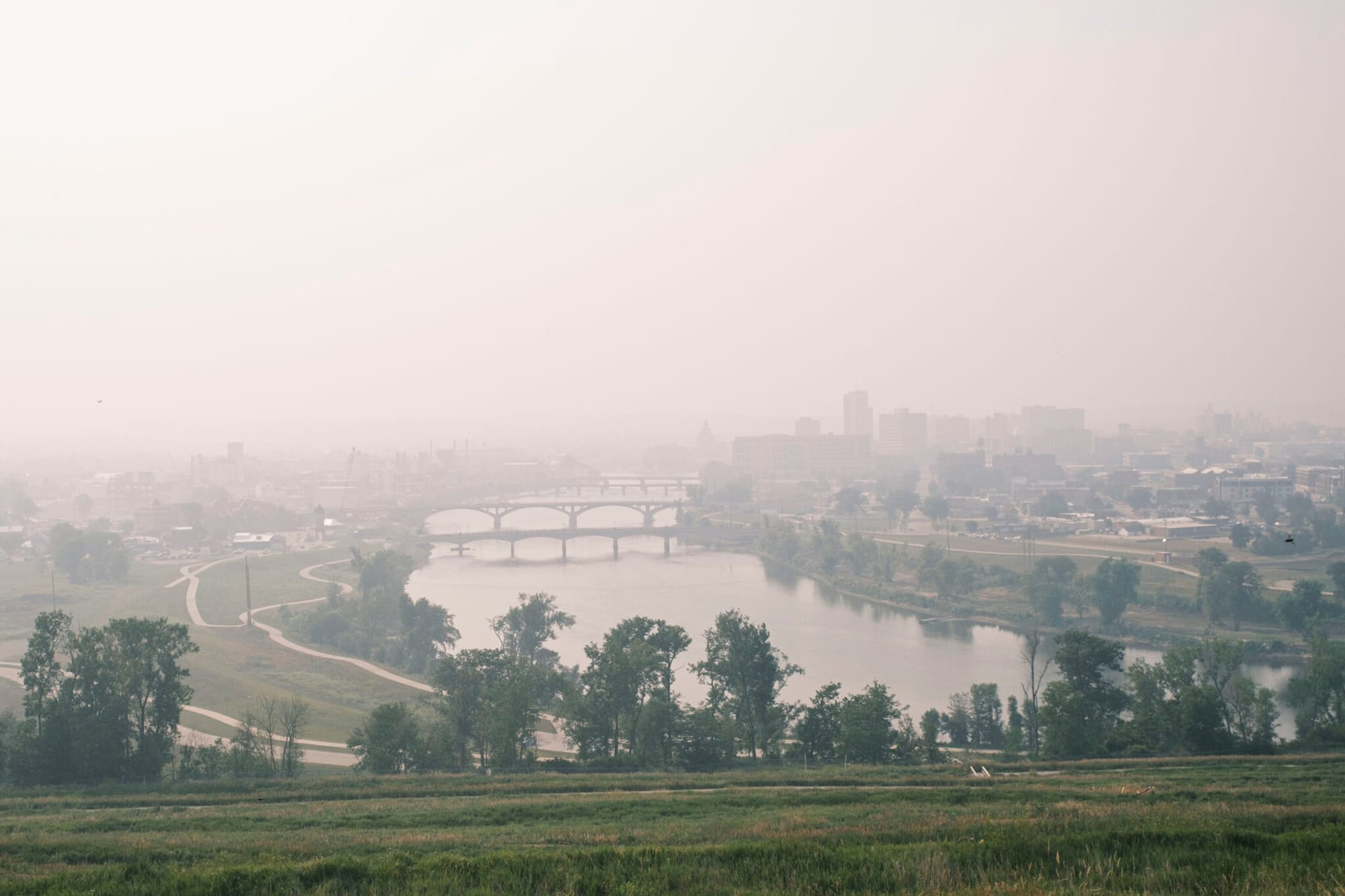
It’s been a wild couple of weeks in the Mississippi River basin — from Canadian wildfire smoke blanketing the Midwest on top of an already devastating drought, to extended power outages in Memphis during an extreme heat wave — the basin is feeling the impacts of climate change this summer. The Desk is following the story, with upcoming reports on heat stress, infrastructure, shipping and lots of other climate stories. Do you have questions about climate change impacts in your region? Email us! info@agwaterdesk.org. We’ll do our best to answer your questions.
Tegan Wendland
Editorial director
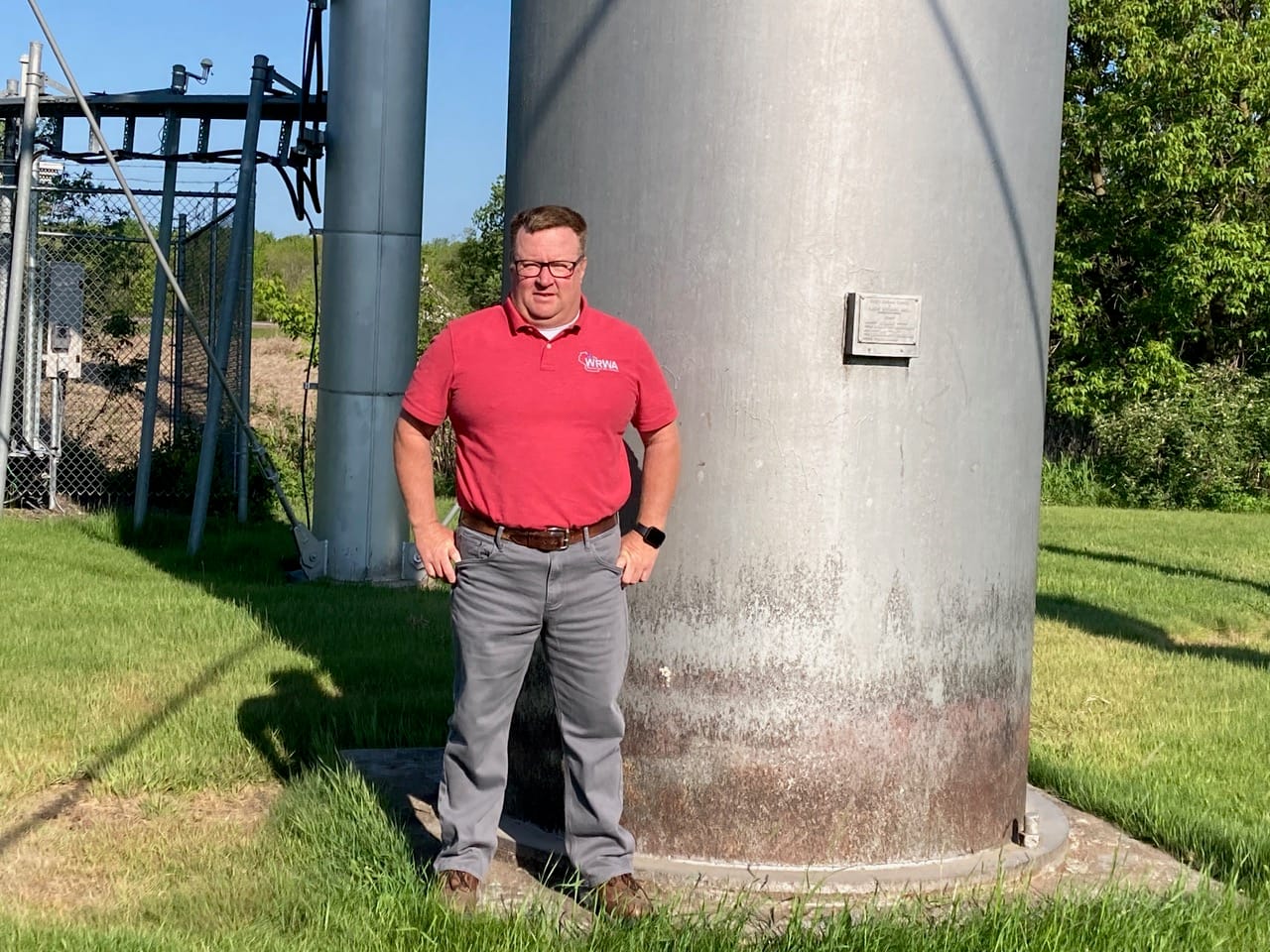
With billions on the table for water infrastructure, small communities risk being left out to dry | By Connor Giffin, Louisville Courier Journal -- June 19, 2023
Indigenous farmers hope their knowledge of regenerative practices can influence others | By Eva Tesfaye -- June 12, 2023
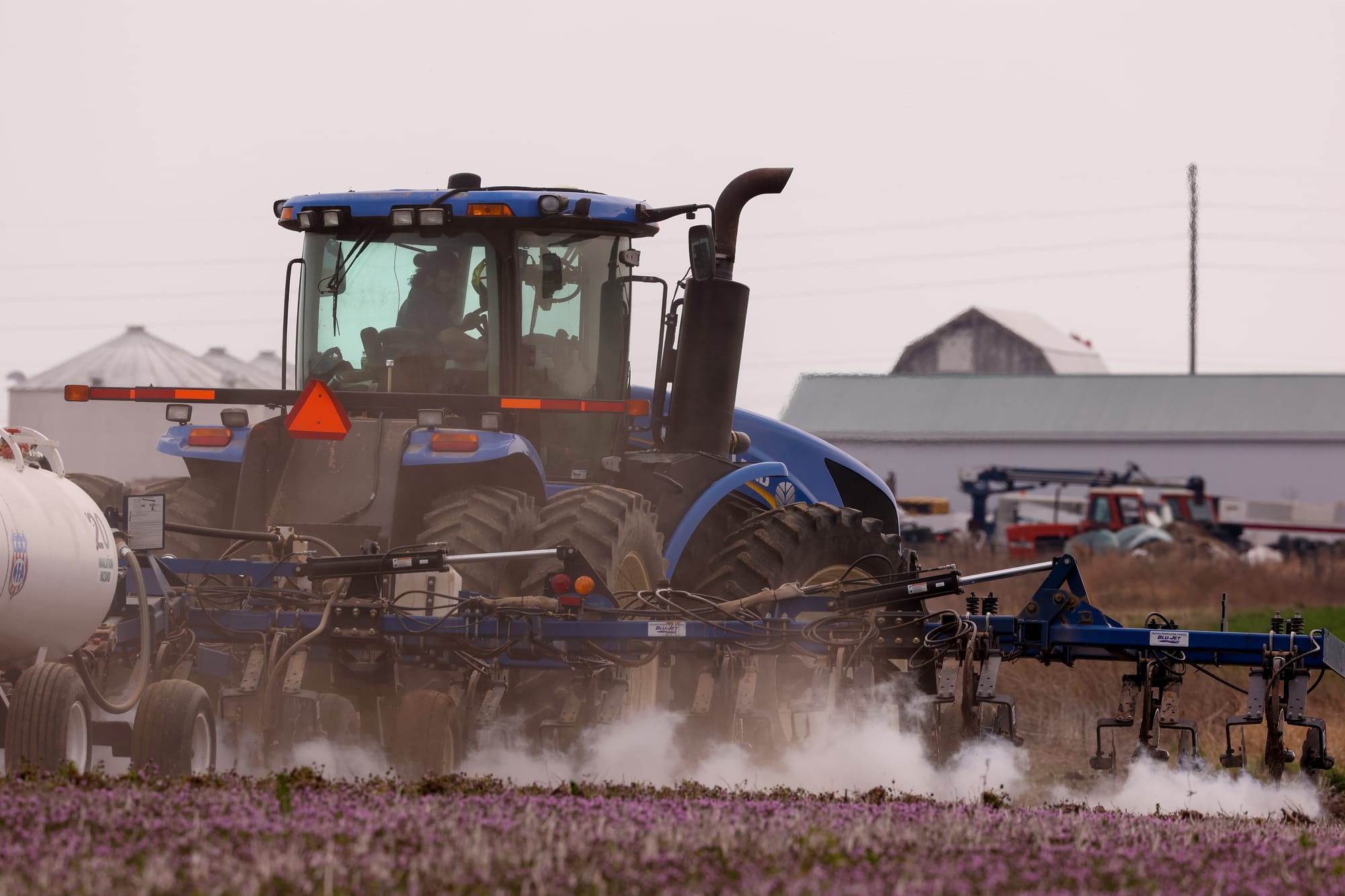
This spring, students at the University of Missouri School of Journalism, which hosts the Ag & Water Desk, took on a semester-long project investigating the fertilizer industry. Nine MU students teamed up with another nine students at the University of Florida to examine the industry from cradle to grave.
With funding from the Pulitzer Center’s Connected Coastlines initiative, we tracked fertilizer from the phosphate mines of Florida to the farm fields of the Midwest, down the Mississippi River and to the Gulf of Mexico’s “dead zone.” Students traveled to central Florida to climb aboard a massive piece of phosphate mining equipment called a dragline. In Louisiana, they visited with Cancer Alley activists and fenceline neighbors living near the world’s largest ammonia production facility, and they sailed on Barataria Bay with researchers studying Gulf hypoxia, caused in part by fertilizer runoff upstream.
The 18-story package dubbed “The Price of Plenty” published in June at Mizzou’s Columbia Missourian and UF’s WUFT News. Numerous outlets picked up stories. It was a pleasure for me and my co-teacher at UF, Cynthia Barnett, to coach these students through such an ambitious project. Let us know what other questions you have about fertilizer – and what other topics you’d like to see us explore in the future.
Sara Shipley Hiles
Executive Director, Ag & Water Desk
We want to our work to reach underserved audiences and support under-resourced publications. Want to see our reporting picked up by your local paper or radio station? Do you know a small newsroom that could benefit from a free source of quality regional environmental journalism? Please share: Editors can fill out this form to get access to story elements and notifications about our latest pieces. Questions? Email info@agwaterdesk.org. Thanks!
Photo credits, L-R from top | Drake White-Bergey, Wisconsin Watch (aerial support provided By Lighthawk); Katie Peikes, Harvest Public Media; Andrew Breig, Daily Memphian; Geoff Stellfox & Nick Rohlman, The Gazette; Mónica Cordero, Investigate Midwest; Sam Upshaw Jr., Louisville Courier Journal; Mark Hoffman, Milwaukee Journal Sentinel; Carly Berlin, WNWO-New Orleans Public Radio. Header: National Oceanic and Atmospheric Administration.


Desk reporters dig deep into pollution, drought and AI


The Desk's editorial director reflects on the importance of observing nature

Reflections on our assistant editorial director's first month on the job.

Environment and agriculture news from across the Mississippi River Basin — delivered straight to your inbox.