

Researchers, patients optimistic in fight against alpha-gal syndrome
A support group and a lab in the St. Louis area provide resources for people with the allergy to mammal products — and evidence that its effects can be reversed.
A support group and a lab in the St. Louis area provide resources for people with the allergy to mammal products — and evidence that its effects can be reversed.

The Gulf’s Flower Garden Banks has been viewed as healthy, but a new study shows signs of damage.

More than three-quarters of member cities in a Mississippi River coalition have been approached to host AI infrastructure.

Our findings on environmental beliefs & attitudes in the nation’s largest watershed


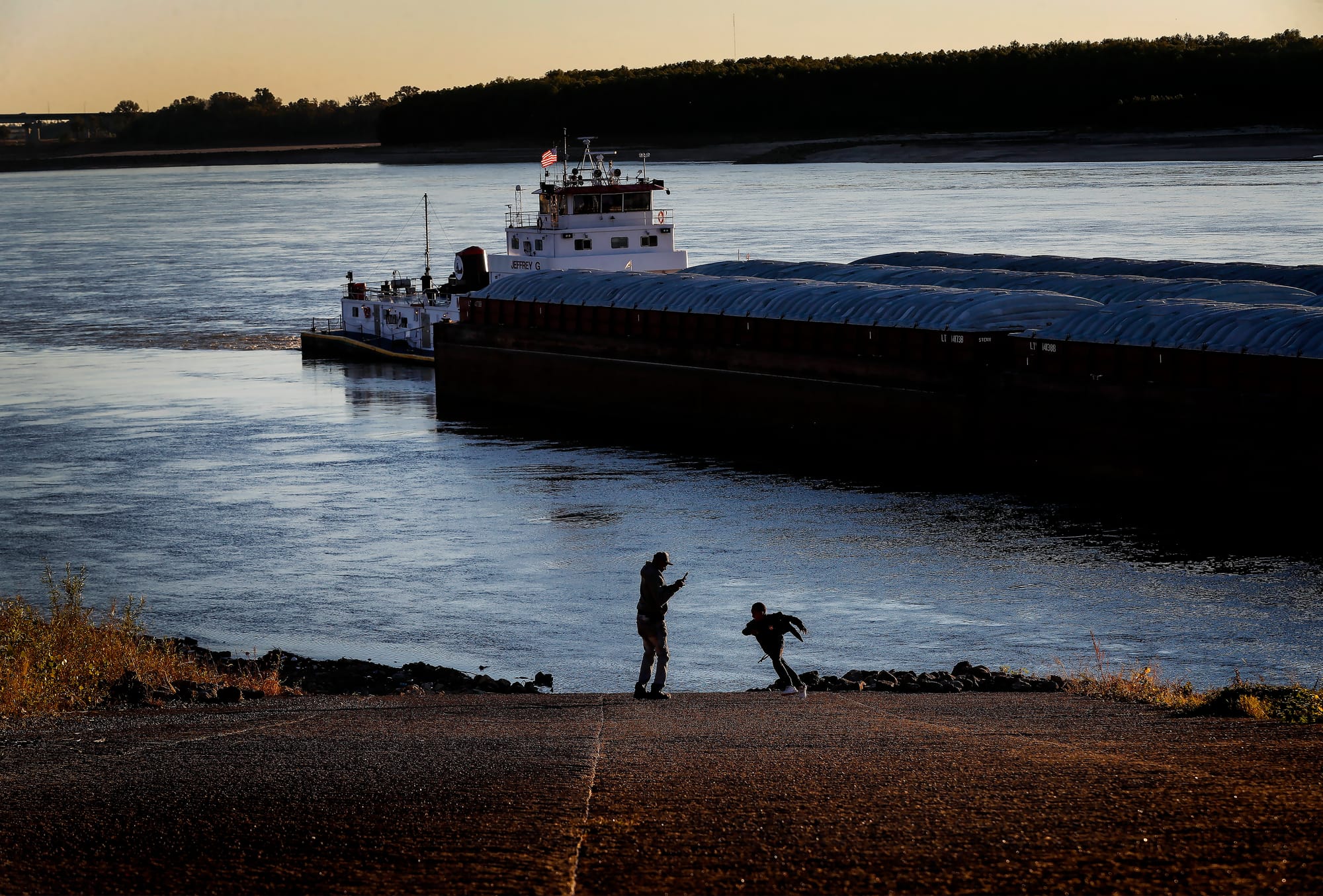
Much of the daily work of environmental journalism seeks to understand people’s relationship with the places they live — what they think, feel and observe about natural and built ecosystems around them, and the forces that are reshaping those attitudes.
As one of the few environmental journalism collaboratives created specifically to cover a watershed, the Ag & Water Desk is always in need of better answers to these questions to drive our reporting. So we partnered with researchers at our home base, the Missouri School of Journalism, for a groundbreaking study of people’s environmental opinions and beliefs in the 10 states that line the mainstem of the Mississippi River.
Join us Tuesday, November 14, from 12 to 1 p.m. CT for a free webinar and Q&A about our new research — click here to register.
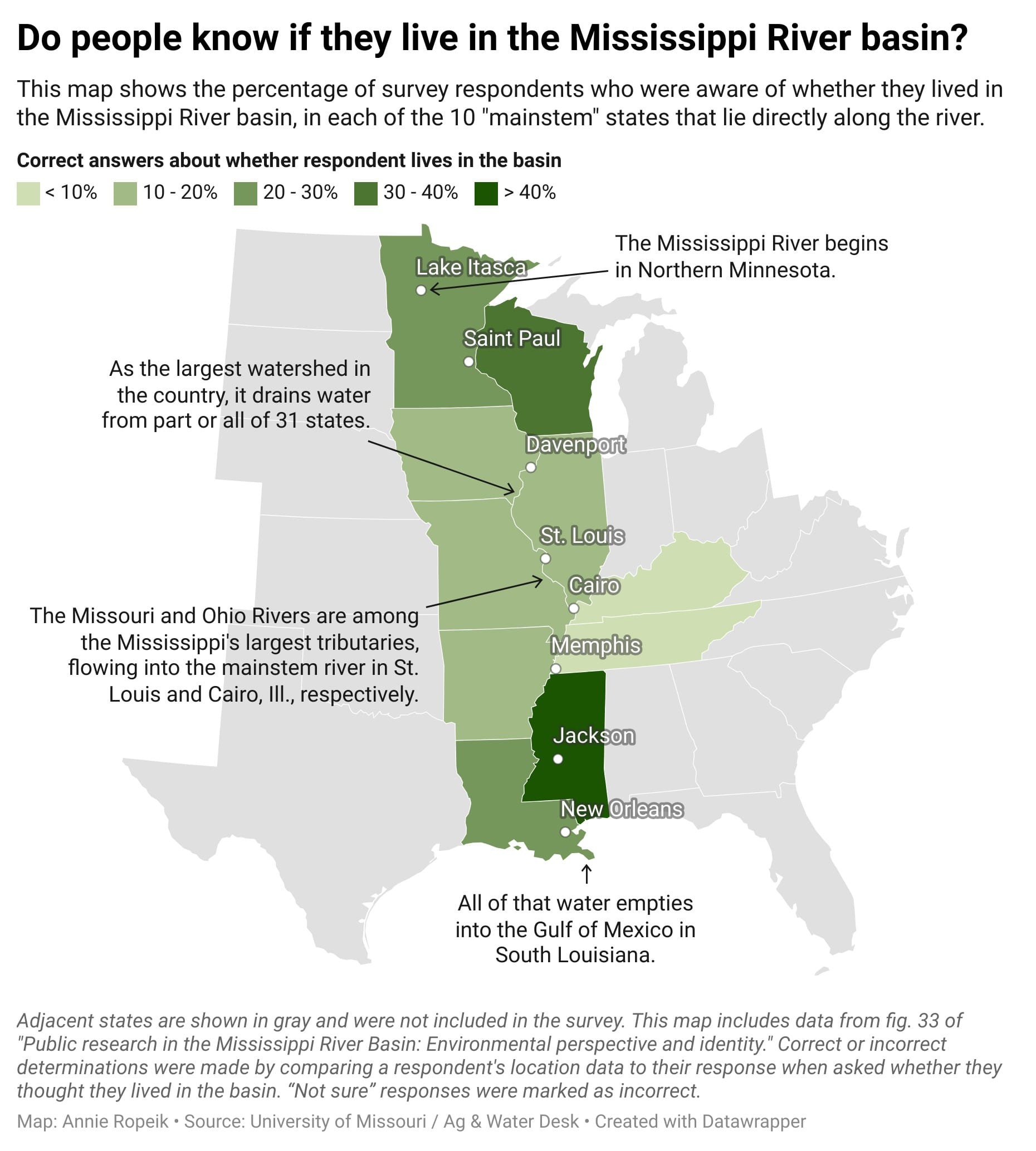
What we found might surprise you. As our reporter Madeline Heim of The Milwaukee Journal Sentinel writes in our story about our new study, “Only about half of those surveyed were aware they lived in the basin. In Kentucky, for example, just 7.5% of respondents thought they lived in the basin, even though it includes the entire state.”
Advocates and experts say the research points to a need for better scientific and political communication about the importance of the Mississippi River for habitat, drinking water and commerce, and the threats it faces from climate change, pollution and more.
"It is harder and harder to get people to take advocacy actions that don't have a direct connection to their everyday life or direct local tie-in," said Maisah Khan, policy director for the Mississippi River Network.
The study also delved into residents’ media choices and sense of “trusted messengers” on environmental information, from their local extension offices to university scientists.
“People want to know what is going on in their backyard, and community news organizations can fill that demand, not only as traditional newsrooms but through organizations like the Ag & Water Desk, pop-up newsrooms or university extension services,” said Randy Picht, executive director of the Reynolds Journalism Institute, which supported the study. “This report shows that if we reach out, people are willing to listen.”
At our webinar on Nov. 14, lead study author Kate Rose will present key takeaways and our editorial director Tegan Wendland will moderate Q&A. We hope to see you there!
Yours,
Annie Ropeik
Ag & Water Desk Assistant Director
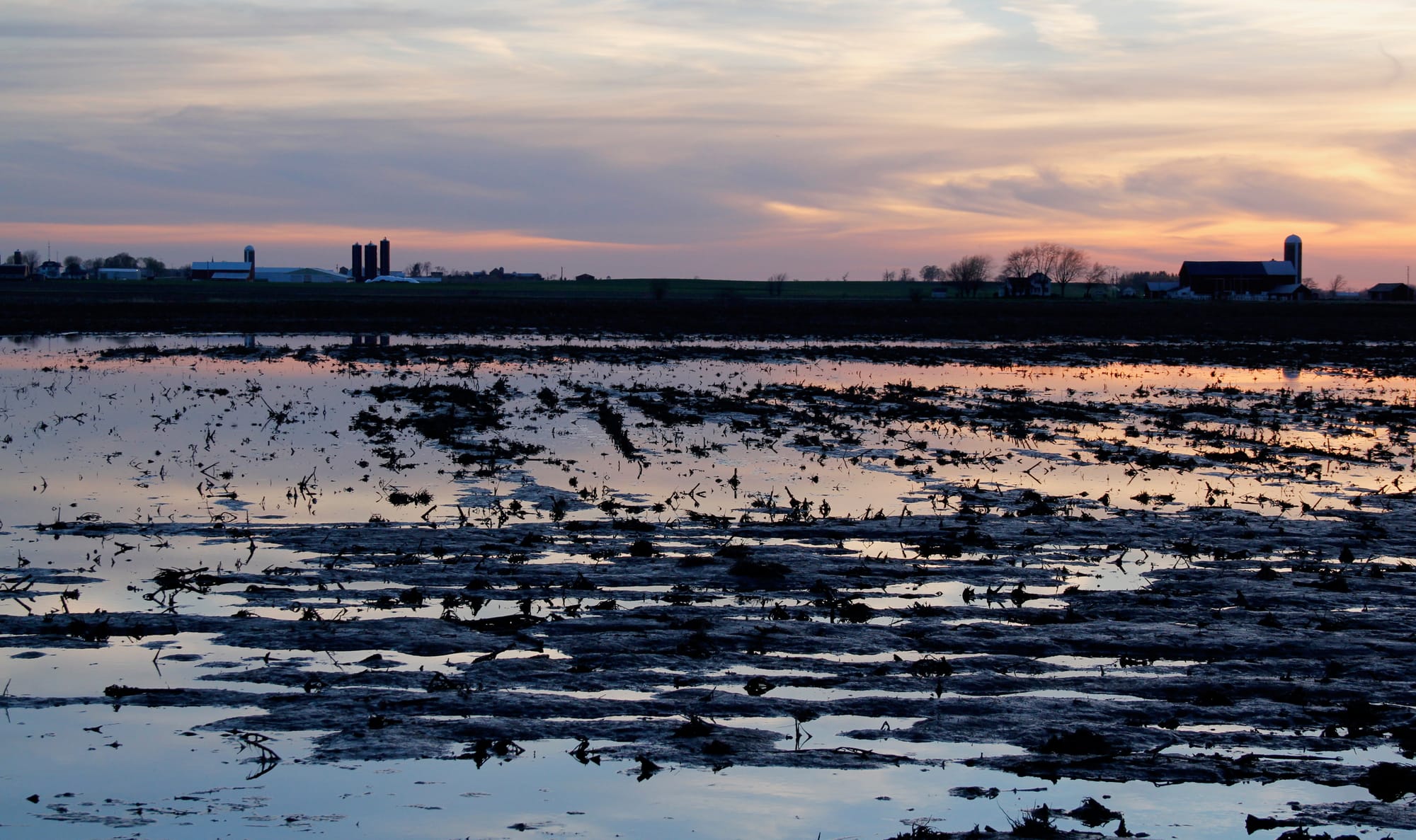
The findings follow a tumultuous growing season, wrought with extreme drought ravaging the Midwest and increasing precipitation and floods.
By Brittney J. Miller, The Gazette — Nov. 1, 2023
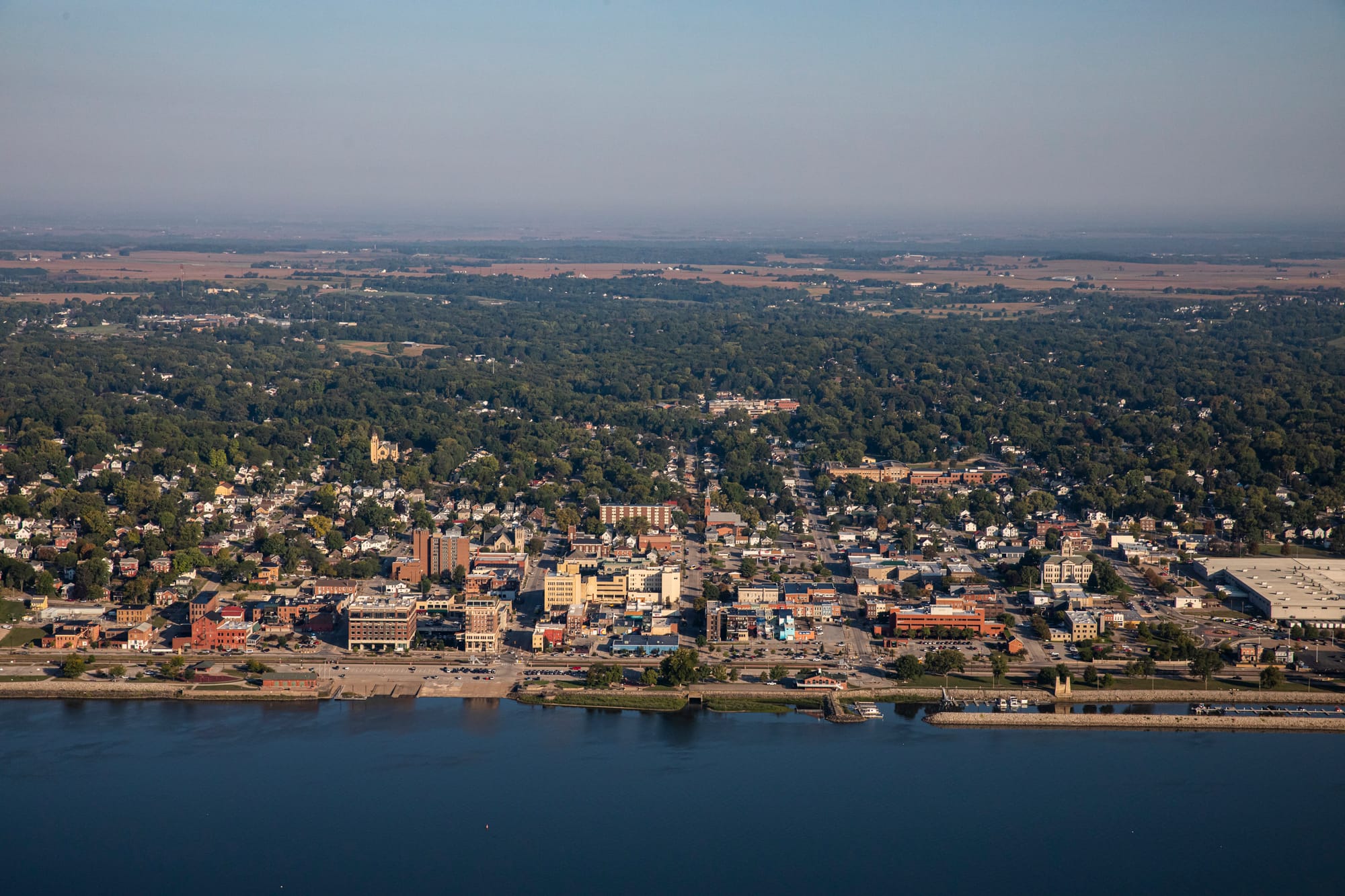
This disconnect, advocates say, means people may not grasp that what happens on their stretch of river will affect what happens downstream.
By Madeline Heim, Milwaukee Journal Sentinel — Oct. 23, 2023

Desk reporters dig deep into pollution, drought and AI


The Desk's editorial director reflects on the importance of observing nature

Reflections on our assistant editorial director's first month on the job.

Environment and agriculture news from across the Mississippi River Basin — delivered straight to your inbox.