

Researchers, patients optimistic in fight against alpha-gal syndrome
A support group and a lab in the St. Louis area provide resources for people with the allergy to mammal products — and evidence that its effects can be reversed.
A support group and a lab in the St. Louis area provide resources for people with the allergy to mammal products — and evidence that its effects can be reversed.

The Gulf’s Flower Garden Banks has been viewed as healthy, but a new study shows signs of damage.

More than three-quarters of member cities in a Mississippi River coalition have been approached to host AI infrastructure.

‘We need funding just for the cows to survive’


Our latest story looks at underfunding in farm conservation programs that offer key solutions to climate threats.
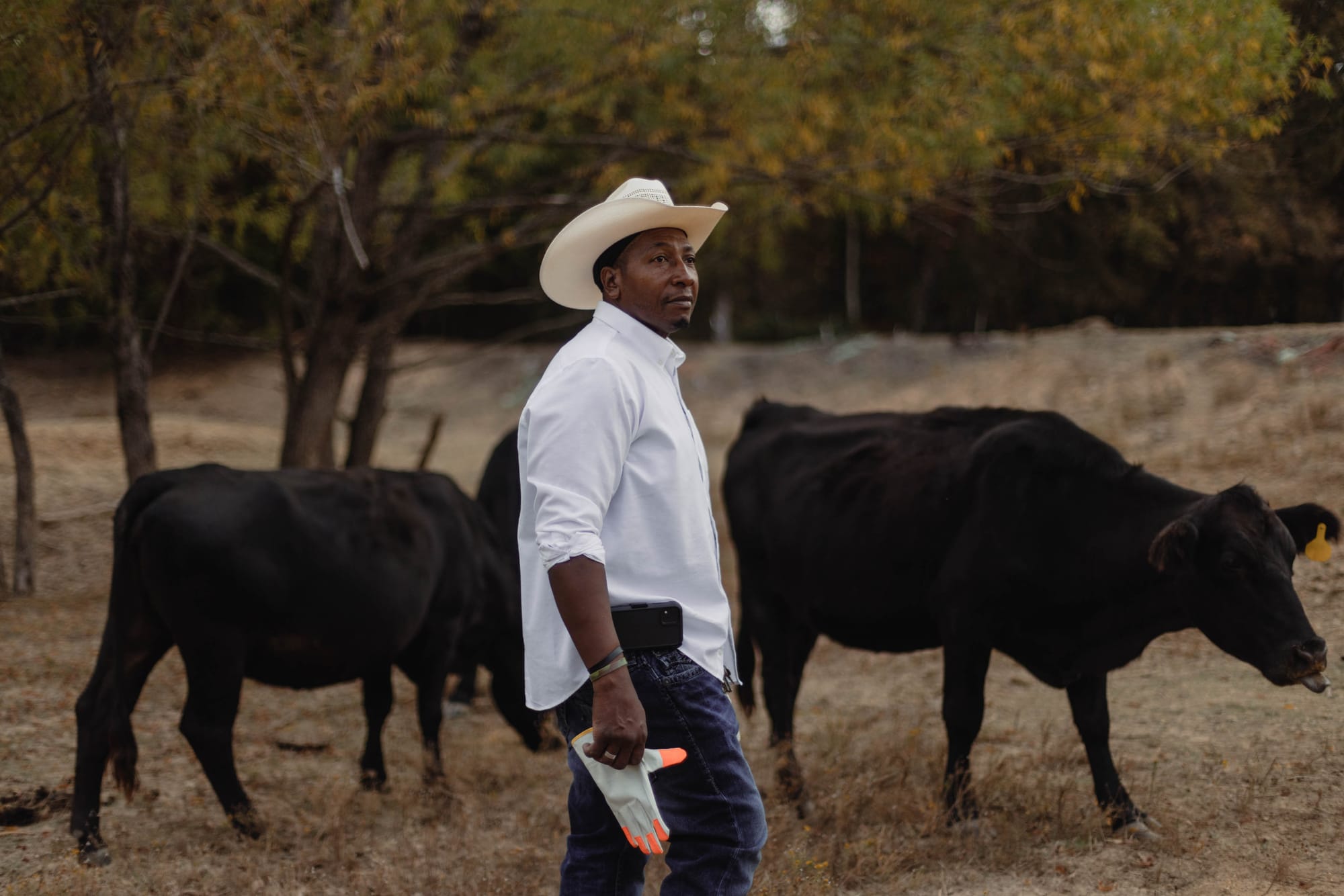
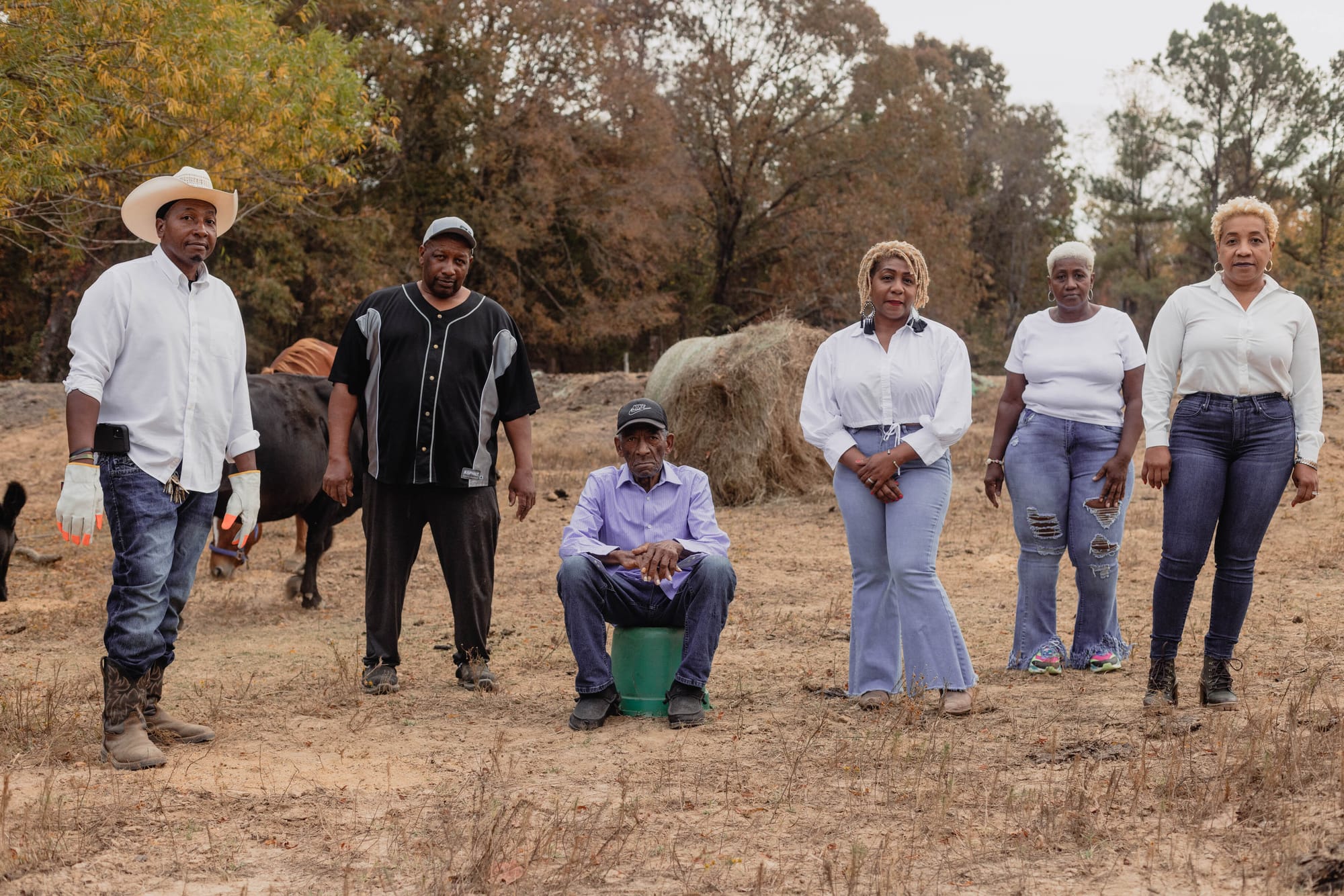
The Biden administration has called agricultural conservation programs a “linchpin” for meeting the nation’s climate goals. Then why are they so chronically underfunded?
This week we released a collaborative story we’ve been working on for months. With the guidance of Erin Jordan, our mentor reporter at The Gazette in Cedar Rapids, a team of Ag & Water Desk reporters explored how the lack of adequate funding for core U.S. Department of Agriculture initiatives like the Environmental Quality and Incentives Program and the Conservation Stewardship Program has left many farmers in a bind.
Our team sent Freedom of Information Act requests to the USDA to gather data on these programs and figured out which states were getting the least help. Erin found a farm family in Mississippi that was denied funding to expand their rotational grazing operation — a change that could help the family withstand dry spells and help prevent soil erosion.
Mississippi has the nation’s lowest acceptance rate to these USDA programs and has acknowledged it needs more staff to manage applications. The state also has the highest rate of Black farmers in the nation. The Johnson-Gatson family raises cattle, and they’ve struggled with this year’s extreme drought.
“We need funding just for the cows to survive,” Charlene Gatson said.
With data help from our reporter Mónica Cordero at Investigate Midwest, and reporting support from Madeline Heim at The Milwaukee Journal Sentinel and Brittney J. Miller at The Gazette, our team reported on how instrumental these programs could be, how challenging it is to access them, and ways in which they could be improved. Instead, Republican lawmakers would like to decrease funding for them in the next Farm Bill.
Thanks for reading,
Tegan Wendland
Ag & Water Desk Editorial Director
We held a public event on Nov. 14 to share findings from our recent public opinion research with the Missouri School of Journalism, taking questions from government scientists and engineers, nonprofit leaders and environmental advocates, artists, academics and more. If you missed the webinar, you can view a recording here. Feel free to reply to this newsletter directly if you’d like the slides or have any questions. Thanks!
The Biden administration has called such programs a “linchpin” in the nation’s climate strategy — yet the majority of landowners who apply are denied without advice on next steps.
By Erin Jordan, The Cedar Rapids Gazette; Madeline Heim, Milwaukee Journal Sentinel; and Mónica Cordero, Investigate Midwest — Nov. 15, 2023
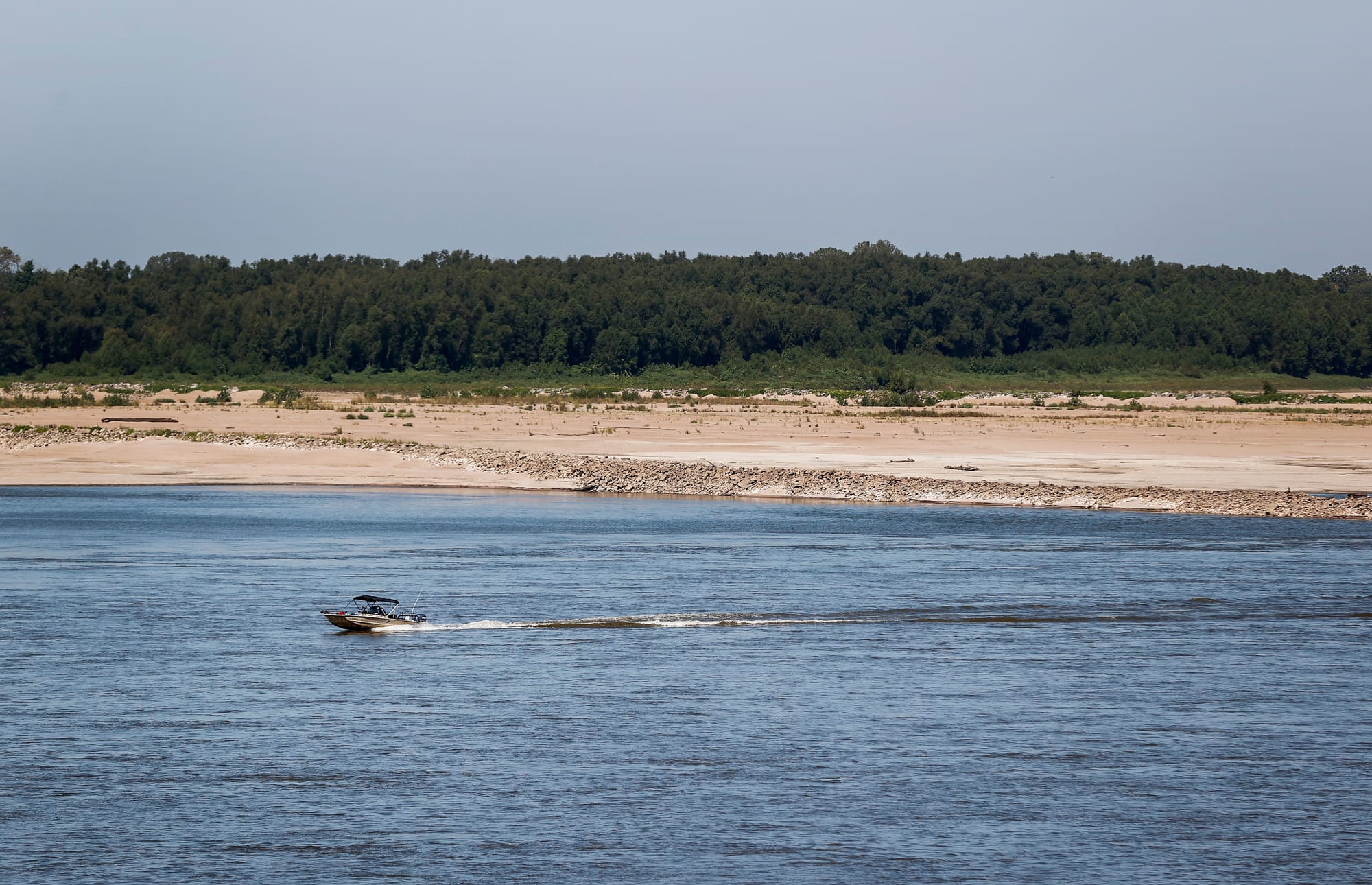
It’s the second year in a row that extreme drought has caused a shrinking river channel, forcing the Army Corps of Engineers to dredge later in the season than normal.
By Keely Brewer, The Daily Memphian, and Eric Schmid, St. Louis Public Radio — Nov. 9, 2023
Note: Some stories may be paywalled. If you can, we encourage you to support our partners and reporters and your local news outlets with a subscription or donation.
National Climate Assessment: Our expert journalist Georgina Gustin and the team at Inside Climate News have two great stories on the scientific findings and environmental justice implications of the new report, out this week. Meanwhile, former Ag & Water Desk reporter Juanpablo Ramirez-Franco, now with WBEZ and Grist, covers what the assessment means for Midwest agriculture.
Traditional ecological knowledge: Madeline Heim and her colleagues at The Milwaukee Journal Sentinel have a new series on what indigenous approaches to protecting the environment could teach the rest of Wisconsin as it tackles climate change.
Louisiana grain elevator: A judge halted plans to rezone the proposed site of the Greenfield Grain Terminal, on the Mississippi River’s West Bank in St. John the Baptist Parish, from residential to industrial. Delaney Dryfoos is following this story for The Lens.
Regulating carcinogens in water: Bennet Goldstein answers a reader question on the topic for Wisconsin Watch, explaining the roles of federal and state government agencies, how different contaminants are regulated, and what this means if you have a private well.
Nitrate pollution in private wells: Brittney J. Miller reports for The Gazette on potential Iowa implications of a federal order for Minnesota to address nitrate pollution, which stems from agricultural runoff, in thousands of private wells. Our partners at the Star Tribune are also covering this story out of southeast Minnesota.
Farm Bill: Our expert journalist Chris Clayton of DTN/The Progressive Farmer covers an extension for the current Farm Bill, a huge five-year package of nutrition assistance funding and agricultural programs, as Congress continues hashing out the next one.
Louisiana climate policy: The state’s outgoing Democratic governor hopes emissions-cutting efforts will continue under his newly elected Republican successor, who has previously called climate change a “hoax.” Our senior advisor Mark Schleifstein reports for The Times Picayune/New Orleans Advocate.

Desk reporters dig deep into pollution, drought and AI


The Desk's editorial director reflects on the importance of observing nature

Reflections on our assistant editorial director's first month on the job.

Environment and agriculture news from across the Mississippi River Basin — delivered straight to your inbox.