

Researchers, patients optimistic in fight against alpha-gal syndrome
A support group and a lab in the St. Louis area provide resources for people with the allergy to mammal products — and evidence that its effects can be reversed.
A support group and a lab in the St. Louis area provide resources for people with the allergy to mammal products — and evidence that its effects can be reversed.

The Gulf’s Flower Garden Banks has been viewed as healthy, but a new study shows signs of damage.

More than three-quarters of member cities in a Mississippi River coalition have been approached to host AI infrastructure.

“When It Rains” is a 2023 winner in the Covering Climate Now Journalism Awards


Yesterday marked one year on the dot since we first published our series When It Rains, exploring the impacts of increasing extreme rainfall in the Mississippi River basin, and the ways communities, farmers and residents are trying to adapt.
We’re thrilled to announce that this project is a 2023 winner in the short-form writing category of the international Covering Climate Now Journalism Awards.
When It Rains was a true team effort, spanning eight states, more than a dozen local newsrooms and at least 30 reporters, editors, advisors, photographers, producers and student journalists (many more than could fit in our submission title!).
We began reporting this series in the wake of deadly and historic floods in Kentucky and beyond in summer 2022. Editorial director Tegan Wendland worked with Climate Central on data analysis that found parts of the basin are now seeing up to 8 more inches of rain a year than they did 50 years ago. Our team explored the costs and benefits of solutions to this massive change, from managed retreat to just making room for our rivers.
The series reached millions of Americans through dozens of news outlets of all shapes and sizes across the country, including with a national version on NPR. This was our first major all-team project, and we couldn’t be more grateful to have it recognized by our peers. Thanks to the judges, and to you, our readers, for being part of our work.
Yours,
Annie Ropeik
Ag & Water Desk Assistant Director
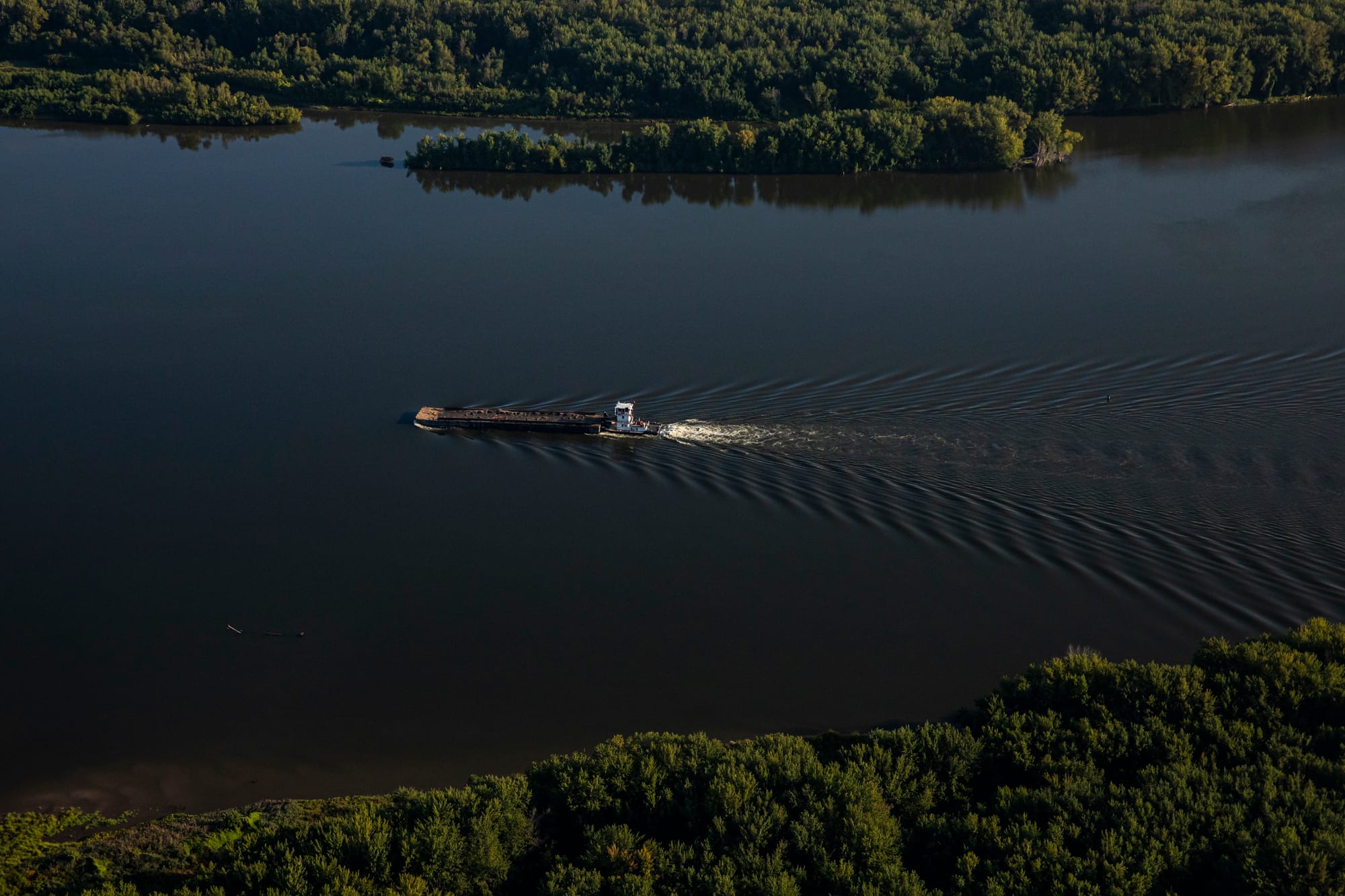
“The whole economy will be feeling the ripple effects” of another drought that’s snarling barge traffic at harvest time.
By Keely Brewer, The Daily Memphian, with Madeline Heim of the Milwaukee Journal Sentinel & Eric Schmid of St. Louis Public Radio | Sept. 27, 2023
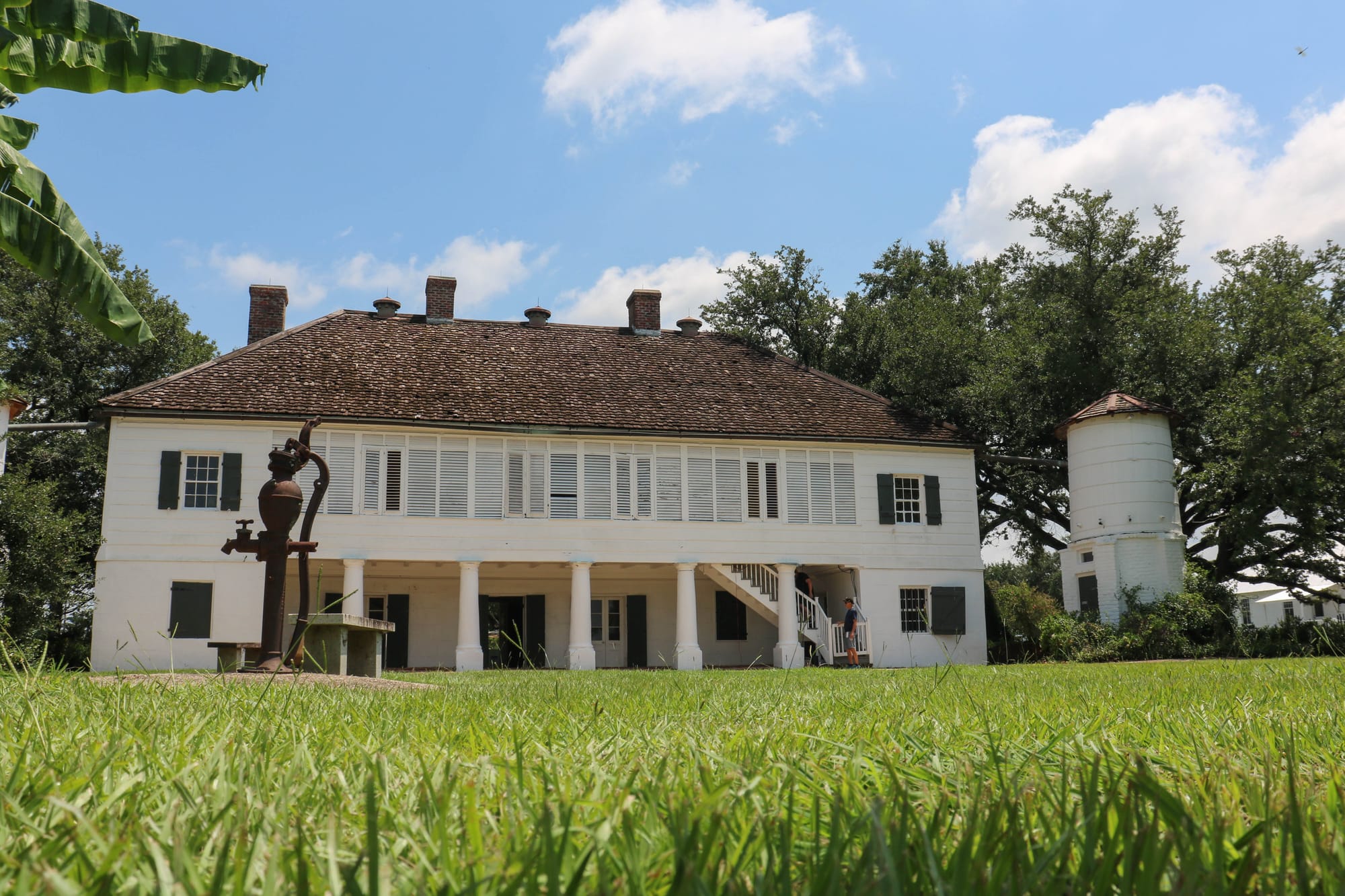
Towns built by the descendants of people once enslaved in the area’s sugarcane fields hope their history might earn this stretch of riverfront new protection from industrial growth.
By Delaney Dryfoos, The Lens | Sept. 26, 2023
Note: Some stories may be paywalled. If you can, we encourage you to support our partners and reporters and your local news outlets with a subscription or donation.
A new bill in Congress would make it easier to build up levees and other flood protection infrastructure in line with updated flooding probabilities along part of the upper Mississippi River, reports Eric Schmid of St. Louis Public Radio.
Composting food waste can reduce climate impacts and save municipalities money, but odors and pests are raising concerns about scaling up operations in some Midwest cities. Eva Tesfaye of Harvest Public Media has that story.
The environment and climate change are going largely unaddressed on the campaign trail, reports Connor Giffin for The Courier Journal.
Cover crops and no-till farming aren't just good for the soil — they also make farmers more money, according to a new study, also covered by Eva Tesfaye.

Desk reporters dig deep into pollution, drought and AI


The Desk's editorial director reflects on the importance of observing nature

Reflections on our assistant editorial director's first month on the job.

Environment and agriculture news from across the Mississippi River Basin — delivered straight to your inbox.