

Researchers, patients optimistic in fight against alpha-gal syndrome
A support group and a lab in the St. Louis area provide resources for people with the allergy to mammal products — and evidence that its effects can be reversed.
A support group and a lab in the St. Louis area provide resources for people with the allergy to mammal products — and evidence that its effects can be reversed.

The Gulf’s Flower Garden Banks has been viewed as healthy, but a new study shows signs of damage.

More than three-quarters of member cities in a Mississippi River coalition have been approached to host AI infrastructure.

Spying illegal manure spreading with satellites & AI: Behind the scenes of our latest story


By Bennet Goldstein
Reporter, Ag & Water Desk/Wisconsin Watch
My story about livestock farm manure, satellites and artificial intelligence was a total fluke.
Last year, I received a cryptic Excel spreadsheet through an unrelated public records request. I didn’t understand it at the time, but the document contained a list of potential illegal manure spreading incidents that were noticed by satellites orbiting the Earth.
Our primary clue was a column that was simply labeled “Stanford.” Another column mentioned manure spreading and another read “winter.”
A quick Google search turned up a related study, investigating the use of artificial intelligence to enforce environmental laws. One paragraph confirmed my hunch: The Wisconsin Department of Natural Resources had collaborated with Stanford University to investigate large farms suspected of illegally applying manure in the winter months.
The Stanford scientists later explained to me how artificial intelligence works, their means of collecting information and the ethical implications of using machine learning models to detect illicit activities.
I also reached out to several farmers whom the DNR caught. They were amiable to my inquiries and found the whole affair somewhat amusing, as you’ll read in my piece.
As we have seen during the past two years, artificial intelligence is rapidly increasing our ability to crunch vast sums of data. Meanwhile, the cost of launching satellites into orbit is declining, enabling ever more stakeholders — even advocacy organizations — to take advantage of their monitoring capabilities. This has allowed a peek behind the veil of what environmentalists are calling a largely unregulated agricultural sector.
As satellites continue to look down, who knows what crap they’ll dig up next.
Thanks for reading,
PS: Our New Orleans-based colleague Delaney Dryfoos of The Lens has been in D.C. this week, covering the Mississippi River Cities & Towns Initiative’s annual Capitol gathering. Stay tuned for more of Delaney’s reporting on Twitter and in our next newsletter.
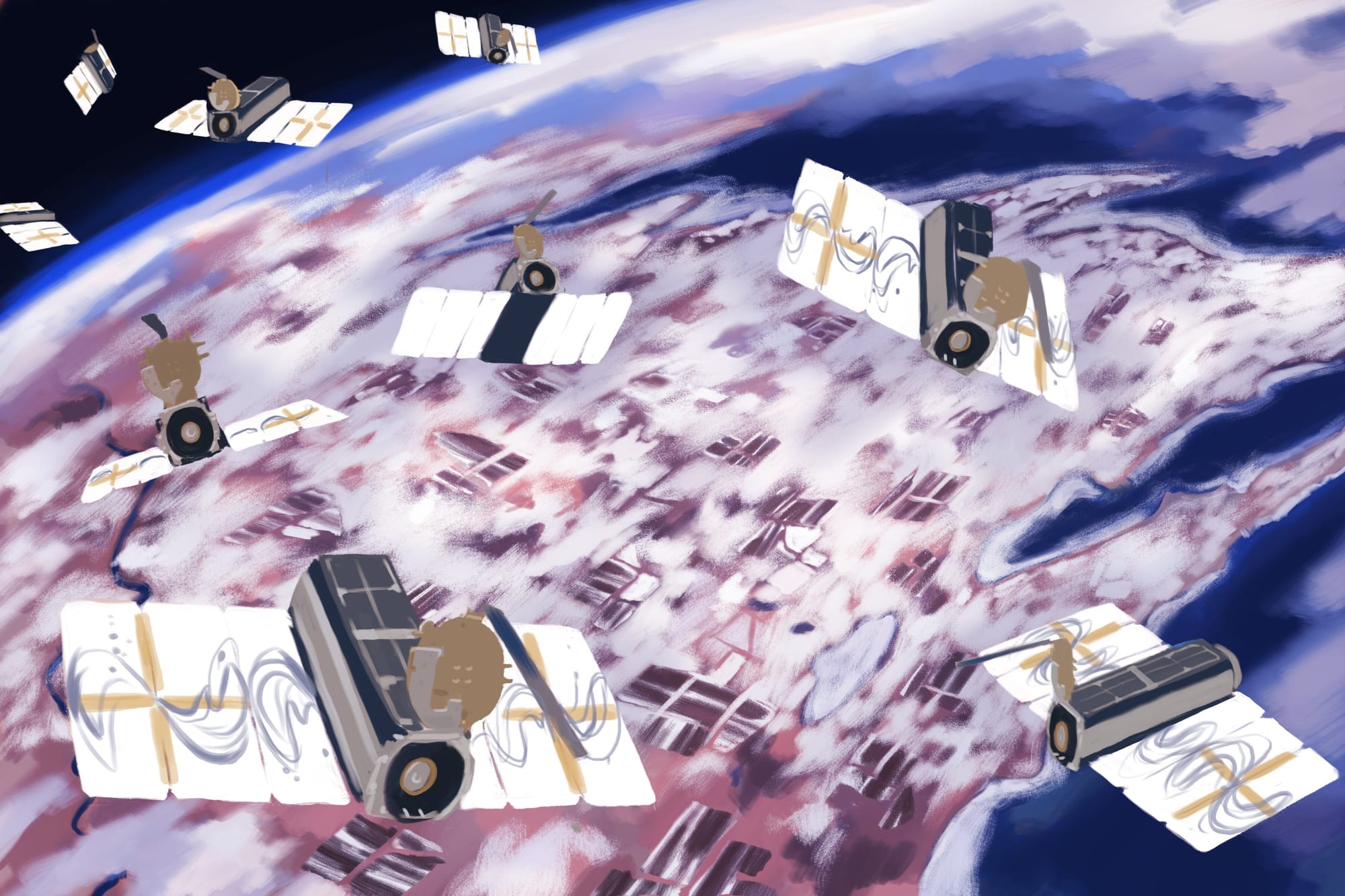
Poopspotting: How AI and satellites can detect illegal manure spreading
Imagery collected by inexpensive satellites is ushering in an era of real-time monitoring of manure-spreading practices at big farms -- including illegal winter applications that can cause harmful runoff. Some advocates want Wisconsin regulators to utilize the technology.
By Bennet Goldstein, Wisconsin Watch — March 7, 2024
Upper Mississippi River flooding unlikely after relatively dry winter
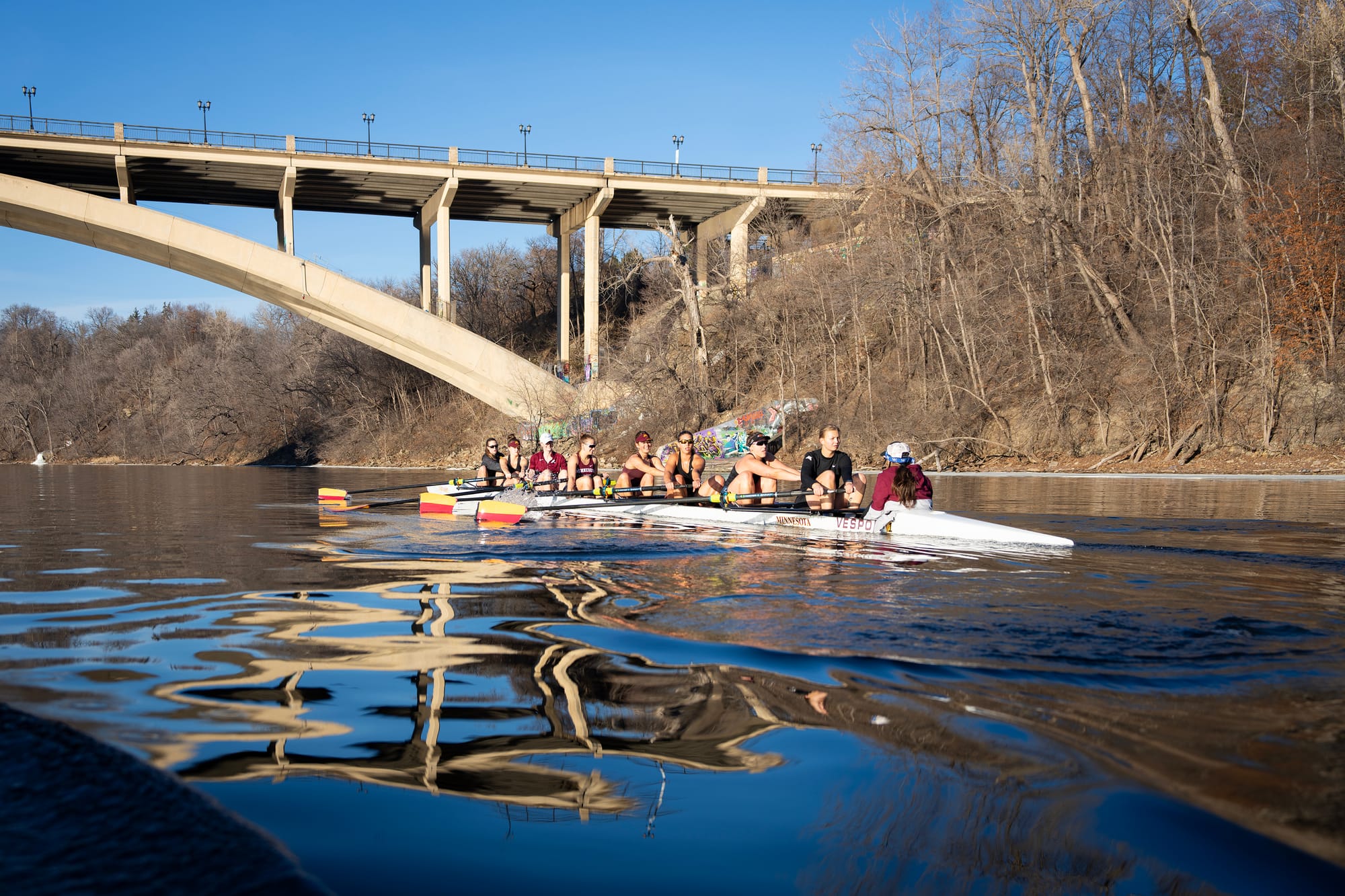
The news is likely to bring relief to Midwest river communities, many of which were swamped with near-record floodwaters last spring. But it could have negatives too: The prolonged dryness that lingered over the winter could result in another summer of drought and low river flows.
By Madeline Heim, Milwaukee Journal Sentinel — March 1, 2024
PFAS is piling up in our trash. Can we keep it contained?
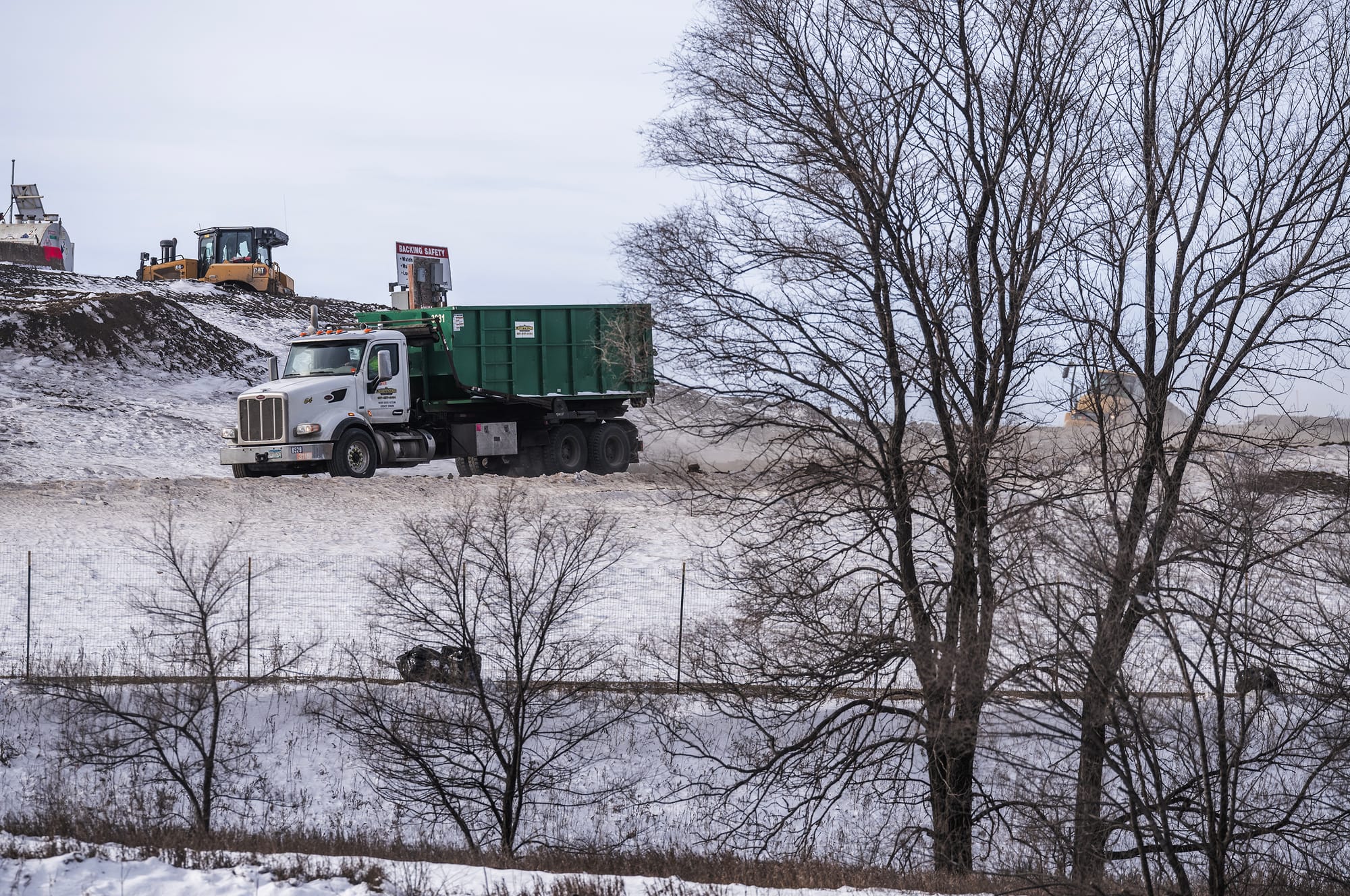
Decades’ worth of toxic "forever chemicals" are sitting in landfills, presenting a new contaminant for waste handlers. A few companies are trying to filter PFAS out of their leachate as researchers study potential air effects.
By Chloe Johnson, Star Tribune — March 4, 2024
Featured in Environmental Health News
Some stories may be paywalled. If you can, we encourage you to support our partners and reporters and your local news outlets with a subscription or donation.
Heat & farmworkers:
Wisconsin will begin requiring heat illness prevention plans and extreme heat procedures for migrant workers. Wisconsin Public Radio’s story on the new rules cites the Ag & Water Desk’s 2023 reporting on the lack of such protections nationwide.
Farm data:
Our Mónica Cordero with Investigate Midwest has been breaking down more of the latest federal Census of Agriculture. She reports that the South and Midwest top the list for new farmers and that the Midwest has seen an increase in female farmers.
Nitrate tax:
The Star Tribune reports on a proposal to raise taxes on fertilizer for Minnesota farmers, aiming to help pay for the cleanup of nitrate pollution in drinking water.
Carbon insetting:
Madeline Heim writes for the Milwaukee Journal Sentinel that Organic Valley is trying the practice in Wisconsin, planting trees to reduce carbon emissions in its own supply chain rather than someone else’s, as in the case of “offsetting.”
Building codes:
Missouri is one of the few places in the country without statewide building codes, seen as a tool to increase disaster resilience among other benefits. Eric Schmid is covering a proposal to change that for St. Louis Public Radio.
Warm winter:
Temperatures have been the highest on record this season in Cedar Rapids, reports our Brittney J. Miller in The Gazette.
Wildfires:
Fire season has begun in Minnesota, with heightened risk expected this spring due to the warm winter and persistent drought, Chloe Johnson writes for the Star Tribune.
Eagles:
It’s prime bald eagle-watching time on the Upper Mississippi River. Madeline Heim has the details on where to see huge groups of the big birds in action.
Ed. note: The Feb. 23 edition of this newsletter reported that Mississippi River cruise line American Queen would shut down, but was missing a few links to our July 2023 series on river cruises. Here is part one on the industry’s economic prospects, part two on climate impacts it’s facing, and part three on how it deals with the legacy of slavery.

Desk reporters dig deep into pollution, drought and AI


The Desk's editorial director reflects on the importance of observing nature

Reflections on our assistant editorial director's first month on the job.

Environment and agriculture news from across the Mississippi River Basin — delivered straight to your inbox.