

Researchers, patients optimistic in fight against alpha-gal syndrome
A support group and a lab in the St. Louis area provide resources for people with the allergy to mammal products — and evidence that its effects can be reversed.
A support group and a lab in the St. Louis area provide resources for people with the allergy to mammal products — and evidence that its effects can be reversed.

The Gulf’s Flower Garden Banks has been viewed as healthy, but a new study shows signs of damage.

More than three-quarters of member cities in a Mississippi River coalition have been approached to host AI infrastructure.

Covering climate impacts on the river & in D.C.


Welcome to a new schedule we’re trying out for our newsletter — weekly on Tuesdays! What do you want to see here going forward? Answer two questions to let us know.
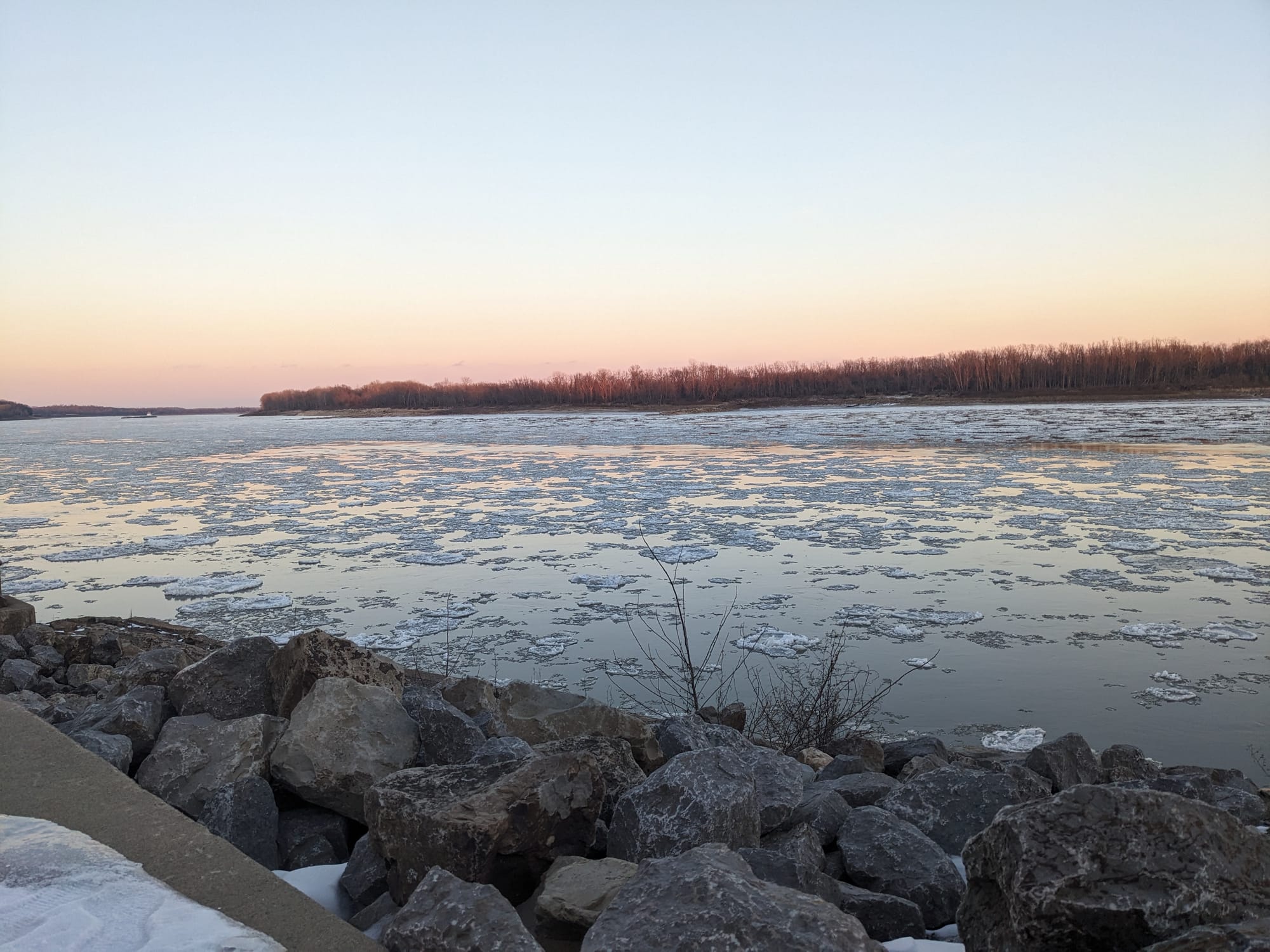
Our latest story, from Madeline Heim of the Milwaukee Journal Sentinel, looks at the implications of a winter of patchy ice on the upper Mississippi River, on the heels of record drought throughout the basin.
“We’re peering into the future of our ice conditions,” said one Wisconsin-based ecologist in Maddy’s story. “This year is going to give us a lot of interesting information about what iceless winters are going to look like.”
The basin has been on a rollercoaster of increasingly volatile swings between extreme weather conditions, which scientists predict will escalate as the planet warms. We’ve been covering this in-depth since our inception, with our series A Changing Basin last summer and our award-winning project When It Rains the fall before that.
Our reporter Delaney Dryfoos of The Lens in New Orleans traveled to Washington to cover an annual trip by a delegation of Mississippi basin mayors and advocates, who lobbied for funding for farm conservation and improved water infrastructure.
These officials also called for better drought management strategies and resilience planning, after more than a year of dry conditions snarled shipping traffic and hiked dredging costs.
“Five hundred and fifty-three days of low water had incredible economic implications on this nation,” said Edward Belk, director of civil works for the Army Corps of Engineers, during the basin mayors’ Capitol visit.
Lately, our team has been excited about covering climate solutions — incentives for home electrification, the trade-offs of carbon capture and more. We also have a story out tomorrow about how warming is affecting maple syrup in the basin. 🥞🍁
Next week, our entire team will be together in Philadelphia at the Society of Environmental Journalists annual conference to learn new tools for climate reporting and other parts of our beat. As an SEJ partner, the Desk is putting on a workshop at the conference about collective governance solutions for protecting watersheds. If you’ll be there too, be sure to say hi — and stay tuned for updates on our trip.
Thanks for reading,
Annie Ropeik
Ag & Water Desk Assistant Director
Mississippi River delegation lobbies for conservation funding in Washington
By Delaney Dryfoos, The Lens
Ice cover on the upper Mississippi River was fleeting this winter. Is this our future?
By Madeline Heim, Milwaukee Journal Sentinel
Arkansas museum expands to better tell the story of the Sultana shipwreck
By Keely Brewer, The Daily Memphian
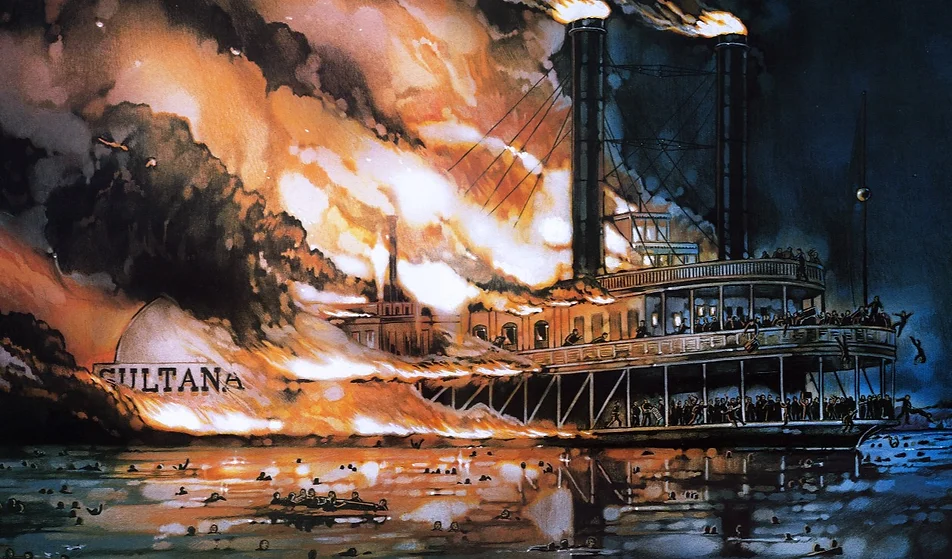
The country’s biggest maritime disaster happened just outside Memphis, Tennessee, when a steamboat caught fire at the end of the Civil War and more than half of its 2,300 passengers drowned in the Mississippi River.
Groups continue fight against planned power line crossing Mississippi River refuge
By Madeline Heim, Milwaukee Journal Sentinel
ICYMI: In Wisconsin, satellites spotlight illegal manure spreading
By Bennet Goldstein, Wisconsin Watch — featured in Undark Magazine

The Desk bids a fond farewell this week to Brittney J. Miller, our Report for America corps member with The Gazette in Cedar Rapids, Iowa. She’s off to be an associate editor with Florida Trend magazine in St. Petersburg, Florida, and will continue covering the energy and environment beat through a business lens.
Brittney wrote well over 200 articles for The Gazette and reported for the Desk on language barriers in farm aid programs, combining solar energy with cropland, flooding in the upper basin last spring and more. She also wrote our collaboration with the AP on the idea of pumping Mississippi River water to the parched West.
Brittney was a 2023 Energy Journalism Fellow with Columbia University and won this year’s Iowa Newspaper Association Jay P. Wagner Prize for Young Journalists. She’s been a wonderful teammate and a stellar reporter. We wish her all the best in Florida!

Desk reporters dig deep into pollution, drought and AI


The Desk's editorial director reflects on the importance of observing nature

Reflections on our assistant editorial director's first month on the job.

Environment and agriculture news from across the Mississippi River Basin — delivered straight to your inbox.