

Researchers, patients optimistic in fight against alpha-gal syndrome
A support group and a lab in the St. Louis area provide resources for people with the allergy to mammal products — and evidence that its effects can be reversed.
A support group and a lab in the St. Louis area provide resources for people with the allergy to mammal products — and evidence that its effects can be reversed.

The Gulf’s Flower Garden Banks has been viewed as healthy, but a new study shows signs of damage.

More than three-quarters of member cities in a Mississippi River coalition have been approached to host AI infrastructure.

Farmworkers go unprotected from increasing extreme heat


It’s hot.
Excessive heat warnings were issued this week across the Mississippi River basin. From Wisconsin to Louisiana, the feels-like temperature hovered between 100 and 120 degrees.
But for many, the work doesn’t stop just because it’s hot. Farmworkers are some of the most at risk from extreme temperatures, with little to no federal protection.
Our team of reporters digs into this, in the first of a two-part series out this week. It’s part of our ongoing project A Changing Basin, looking at new impacts from extreme weather.
Mónica Cordero of Investigate Midwest checked in with one of the Iowa farmworkers she interviewed for this piece “on Tuesday night, when going outside was like sticking your head in a Midwest oven.” She said he became a farmworker when he was only 10.
“I asked him what he would like people reading this story to learn about his work,” Mónica said. “He responded that many people feel comfortable working in offices rather than in the fields. But it is because of the farmworkers’ jobs that they have easy access to fresh fruits and vegetables in the supermarket aisles.”
Many farmworkers like this man are unprotected against heat-related illnesses. They are 35 times more likely to die from heat exposure than workers in other sectors, according to the National Institutes of Health. The absence of a federal heat regulation that guarantees their safety and life – when scientists have warned that global warming will continue – increases that risk.
Mónica and our team analyzed federal data to find that over a six-year period, of 121 workers who died from severe environmental heat exposure, one-fifth were employed in the agricultural sector. Read the story below and stay tuned for part two.
Take care and stay cool,
Tegan Wendland
Ag & Water Desk Editorial Director
Midwest farmworkers struggle with extreme heat — and almost no regulatory safeguards
By Mónica Cordero, Investigate Midwest, and Eva Tesfaye, Harvest Public Media — Aug. 24, 2023
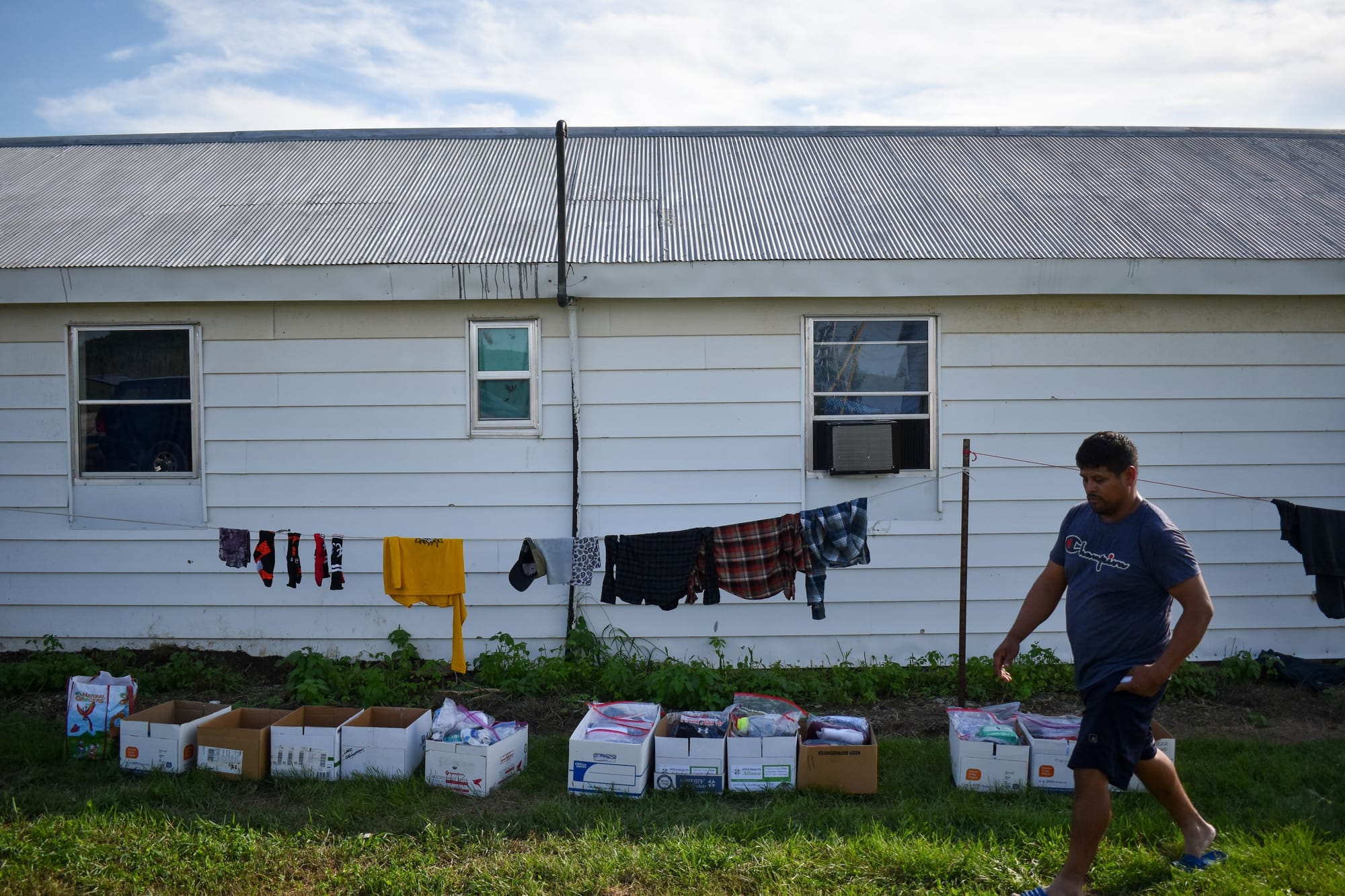
➤ “I've had bosses who, if they see you resting for a few minutes under a tree to recover yourself, think you're wasting your time and send you home without pay,” said a farmworker in Iowa, speaking in Spanish.
We invite you to share your stories for our ongoing series A Changing Basin.
How are you and your community dealing with floods and intense rainfall, extreme heat, wildfire smoke and other new hazards in the Mississippi River basin?
Let us know and please share with friends and family!
Note: Some stories may be paywalled. If you can, we encourage you to support our partners and reporters and your local news outlets with a subscription or donation.
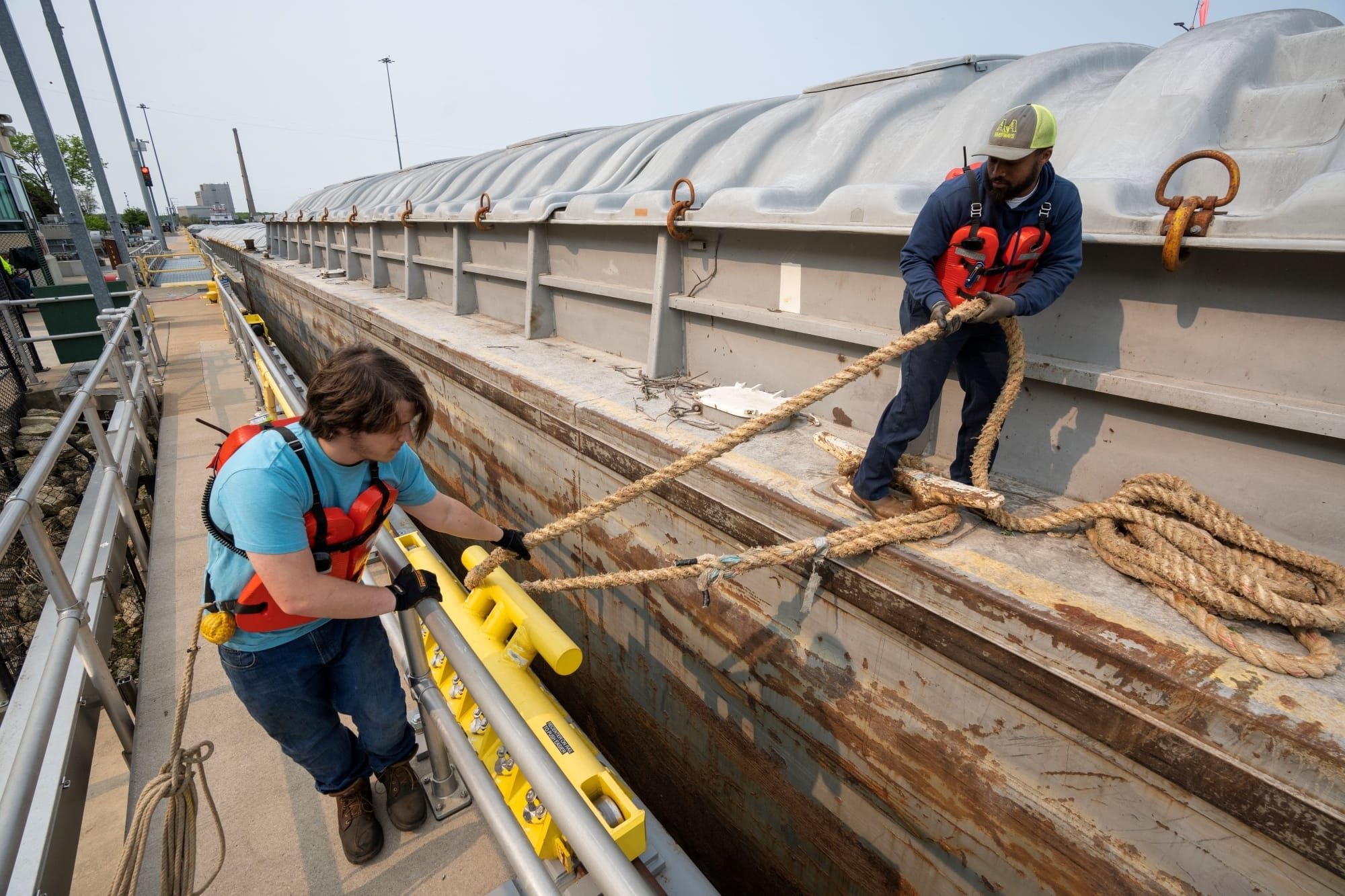
The Corps’ Mississippi River Commission met in St. Louis aboard a 241-foot towboat to discuss escalating risks from high water and long-standing levee controversies. Our expert journalist Bryce Gray of The Post-Dispatch reported for our network.
Farmers are divided over eminent domain laws and private land crossings for a proposed web of pipelines across the Upper Midwest, designed to lower corn ethanol’s carbon footprint. From Minneapolis Star Tribune, shared with our network.
The state broke ground on the Mid-Barataria Sediment Diversion, its most ambitious wetland restoration project yet. Delaney Dryfoos reports for The Lens in New Orleans.
An Ojibwe tribe is at odds with mining companies over whether Minnesota is sufficiently protecting wild rice from sulfate pollution. Chloe Johnson of the Star Tribune is covering that story.
The tick’s bite can cause a red meat allergy, and it’s now the most abundant type in Kentucky. Its population is flourishing due to climate change, as Connor Giffin of the Louisville Courier Journal reports.
Keely Brewer at The Daily Memphian has been covering repeated severe storms, major power outages and the fallout for the city’s utility, including strain on trash service.
The entire state of Iowa was under an excessive heat warning for some of this week. Brittney J. Miller reports for The Gazette on what that means for people without access to air conditioning.
Teachers and astronomers in Wisconsin are adapting to a frustrating summer of wildfire smoke that’s blurring out the stars in the night sky. By Madeline Heim of the Milwaukee Journal Sentinel.

Also from The Gazette, Brittney’s series “Nature’s Alarm” continues with stories on the peril facing pollinators such as the rusty patched bumblebee, and on how researchers are building on the relationship between mudpuppies and salamander mussels.
The Ag & Water Desk has said goodbye to our reporter Juanpablo Ramirez-Franco of WNIJ in Illinois. He’s heading to a new job with Grist and WBEZ in Chicago. We wish him well and look forward to sharing more of his reporting soon!
We are recruiting 10 newsrooms to host our next cohort of Ag & Water Desk reporters through Report for America. Applications are due September 18. We especially hope to add new partners in the South and in communities of color. All the details, as well as the slides and recording from our recent info session, can be found here.
We’d love for you, our readers, to use this quick email template to let your local outlets’ editors know about this opportunity. Thanks in advance for sharing!

Desk reporters dig deep into pollution, drought and AI


The Desk's editorial director reflects on the importance of observing nature

Reflections on our assistant editorial director's first month on the job.

Environment and agriculture news from across the Mississippi River Basin — delivered straight to your inbox.