

Researchers, patients optimistic in fight against alpha-gal syndrome
A support group and a lab in the St. Louis area provide resources for people with the allergy to mammal products — and evidence that its effects can be reversed.
A support group and a lab in the St. Louis area provide resources for people with the allergy to mammal products — and evidence that its effects can be reversed.

The Gulf’s Flower Garden Banks has been viewed as healthy, but a new study shows signs of damage.

More than three-quarters of member cities in a Mississippi River coalition have been approached to host AI infrastructure.


The journalists of the Ag & Water Desk are scattered across 10 states in newsrooms of all kinds, yet they constantly find new ways to collaborate.
I'm assistant director Annie Ropeik, and I've worked in collaborative journalism spaces for years. They're challenging – but it's well worth the effort to see journalists who might traditionally compete working together with dedication, humility and humor to produce impactful, wide-reaching stories.
Here's an example: Recently, several of us chipped in on a story from Harvest Public Media's Eva Tesfaye by each calling different state agencies about their toxic algae testing programs. It helped Eva produce a more regional piece with details she might not have have had time to gather on her own. This kind of simple step that, to me, is what makes collaborative journalism such an ideal way to cover a closely interconnected region like the Mississippi River Basin.
Those interconnections come through when our journalists tackle shared topics from different locales. We just had a print and radio piece on federal environmental justice funding produced by reporters in three states. Soon, I'll be editing a story by a similar trio about co-locating solar power with active farmland. And nearly the entire team is hard at work on a big upcoming climate change series about increased rainfall.
We'd love your thoughts and questions for that rainfall series – click to take a quick survey. Thank you, as always, for supporting collaborative journalism!
-- Annie
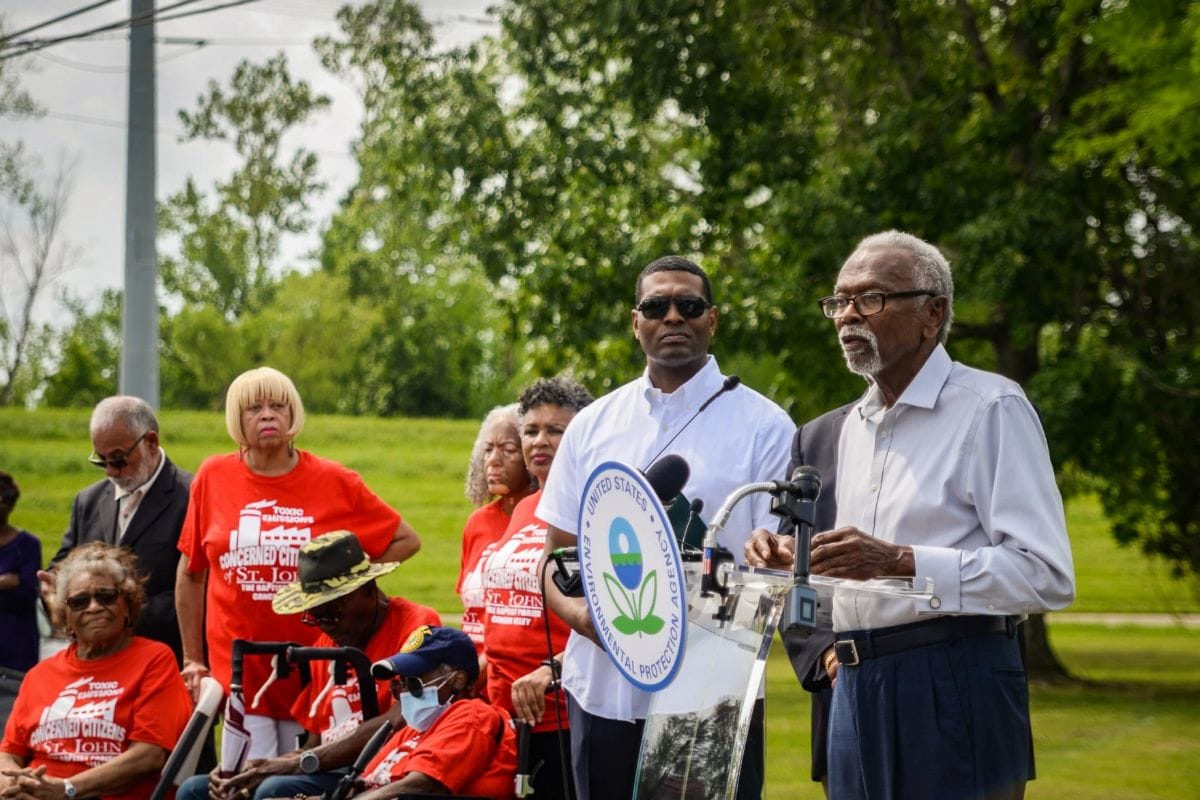
Biden promised billions for environmental justice. Will it get into the right hands?
Environmental justice activists don’t want to wait for clean energy, clean air or clean water. Read about the promise and barriers of unprecedented federal funding that could help, by Desk expert journalist Halle Parker of WWNO and Report for America corps members Connor Giffin of the Louisville Courier-Journal and Keely Brewer of The Daily Memphian.
A patchwork of state fish advisories
Bennet Goldstein of Wisconsin Watch and Keely Brewer of The Daily Memphian teamed up to investigate inconsistent fish consumption warnings from Basin states. Also read in The Gazette of Cedar Rapids.
How groups monitor toxic algae in the absence of state testing
This story is by Harvest Public Media's Eva Tesfaye, with contributions from Dana Cronin and several Desk staffers. Also featured by Nebraska Public Media.
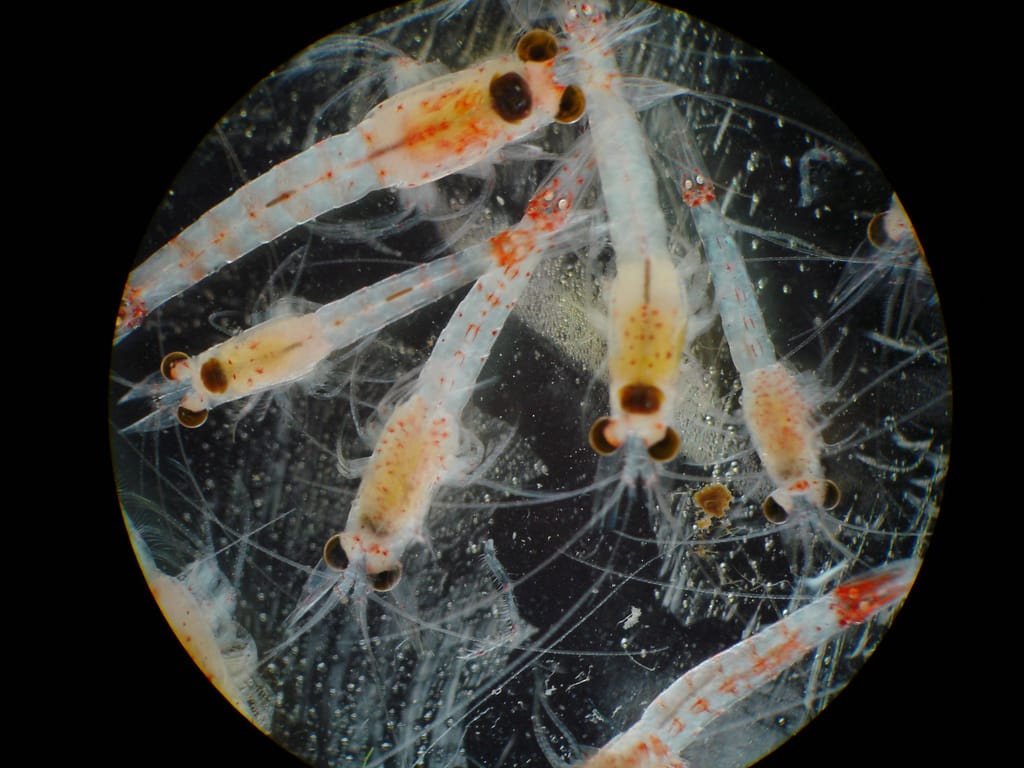
Imbalanced invasive species protection
Amid a focus on invasive fish and the Great Lakes, Juanpablo Ramirez-Franco of WNIJ looked at some less emphasized threats to the Mississippi watershed. Also featured by Minnesota Public Radio.
Study: Mississippi River Basin could be in ‘extreme heat belt’ in 30 years
This climate science story came from Harvest Public Media's Eva Tesfaye and The Daily Memphian's Keely Brewer. Also in The Lens and Investigate Midwest.
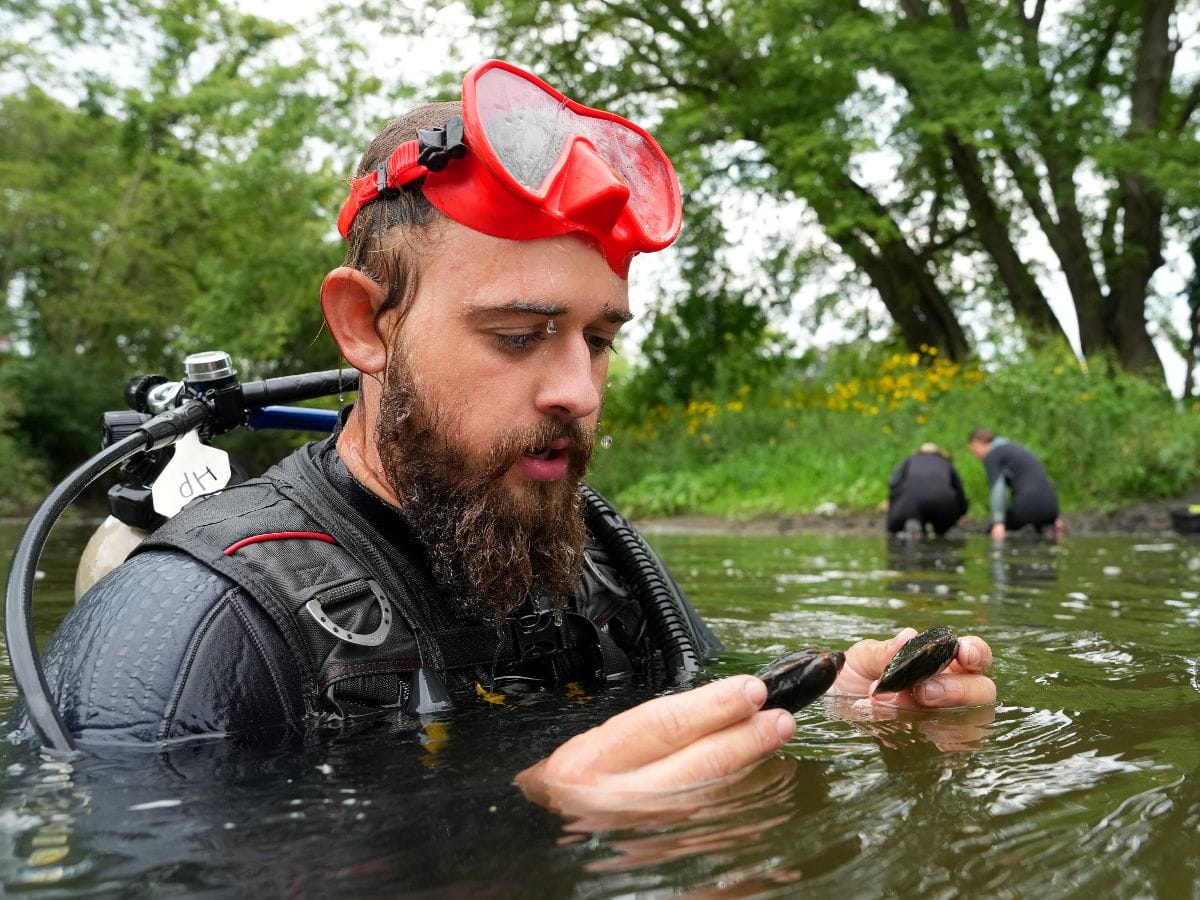
Endangered mussels thriving again
The black sandshell and mucket mussels are reproducing in Minnesota's Cedar River for the first time in decades. From Minneapolis Star Tribune.
As Midwest summers get hotter, air conditioning aid needs go unmet
Wisconsin Watch shared this story about a community group stepping up to help keep Milwaukee's most vulnerable cool.

A revolving door of ag policy influence
Documents reviewed by Investigate Midwest shed light on the movement of agriculture policy leaders between government, industry and farm bureaus.
Dying ash trees can be dangerous, expensive for landowners to remove
This story on the impact of the invasive emerald ash borer came from Desk reporter Brittney J. Miller of The Gazette.
Do you know a news outlet that might want to run our stories? Tell them to fill out this form to get access to story elements and notifications about our latest pieces. Any newsroom can repurpose, retool and republish our work for free, in perpetuity. We already have around 30 newsrooms in our network, and we're excited to add many more. Questions? Email info@agwaterdesk.org. Thanks!
Photos by WWNO, Daily Memphian, Star Tribune, Wisconsin Watch, The Gazette, Missouri Department of Natural Resources, National Oceanic and Atmospheric Administration, USDA and First Street Foundation.


Desk reporters dig deep into pollution, drought and AI


The Desk's editorial director reflects on the importance of observing nature

Reflections on our assistant editorial director's first month on the job.

Environment and agriculture news from across the Mississippi River Basin — delivered straight to your inbox.