

Researchers, patients optimistic in fight against alpha-gal syndrome
A support group and a lab in the St. Louis area provide resources for people with the allergy to mammal products — and evidence that its effects can be reversed.
A support group and a lab in the St. Louis area provide resources for people with the allergy to mammal products — and evidence that its effects can be reversed.

The Gulf’s Flower Garden Banks has been viewed as healthy, but a new study shows signs of damage.

More than three-quarters of member cities in a Mississippi River coalition have been approached to host AI infrastructure.


Our student journalists from the University of Missouri had a chance earlier this month to get up close and personal with the Missouri River – the longest river in the country, even longer than the Mississippi River into which it drains.
“Most people have never had the opportunity to get out on the river, which creates a disconnect between us and our natural resources," said Ag & Water Desk executive director Sara Shipley Hiles, who organized the trip with the nonprofit Missouri River Relief.
"Once you get to know something, you can appreciate it, and once you appreciate it, you can take steps to care for it,” Hiles said.
Students learned about the watershed’s ecology and history, the research and conservation efforts taking place there, and the communities that have shaped the river for many generations.
“I really appreciated this opportunity to engage more with indigenous history,” said science writing student Athena Fosler-Brazil. “As someone not from the Midwest, I found the experience quite elucidating of both the local environment and the people who have lived on this land for centuries."
These student journalists will use what they learned in future reporting for Mizzou-based news outlets, many of which are members of the Ag & Water Desk’s network. (Click here to learn more about our partnership.)
“I loved hearing how perceptions of the river changed after the trip,” said Hiles. “It went from being a scary, intimidating thing to something that’s complex and beautiful.”
How do you connect with your local waterways and watershed? Send us your story ideas at info@agwaterdesk.org or by replying to this email.
Thanks as always for reading,
Annie Ropeik
Ag & Water Desk Assistant Director
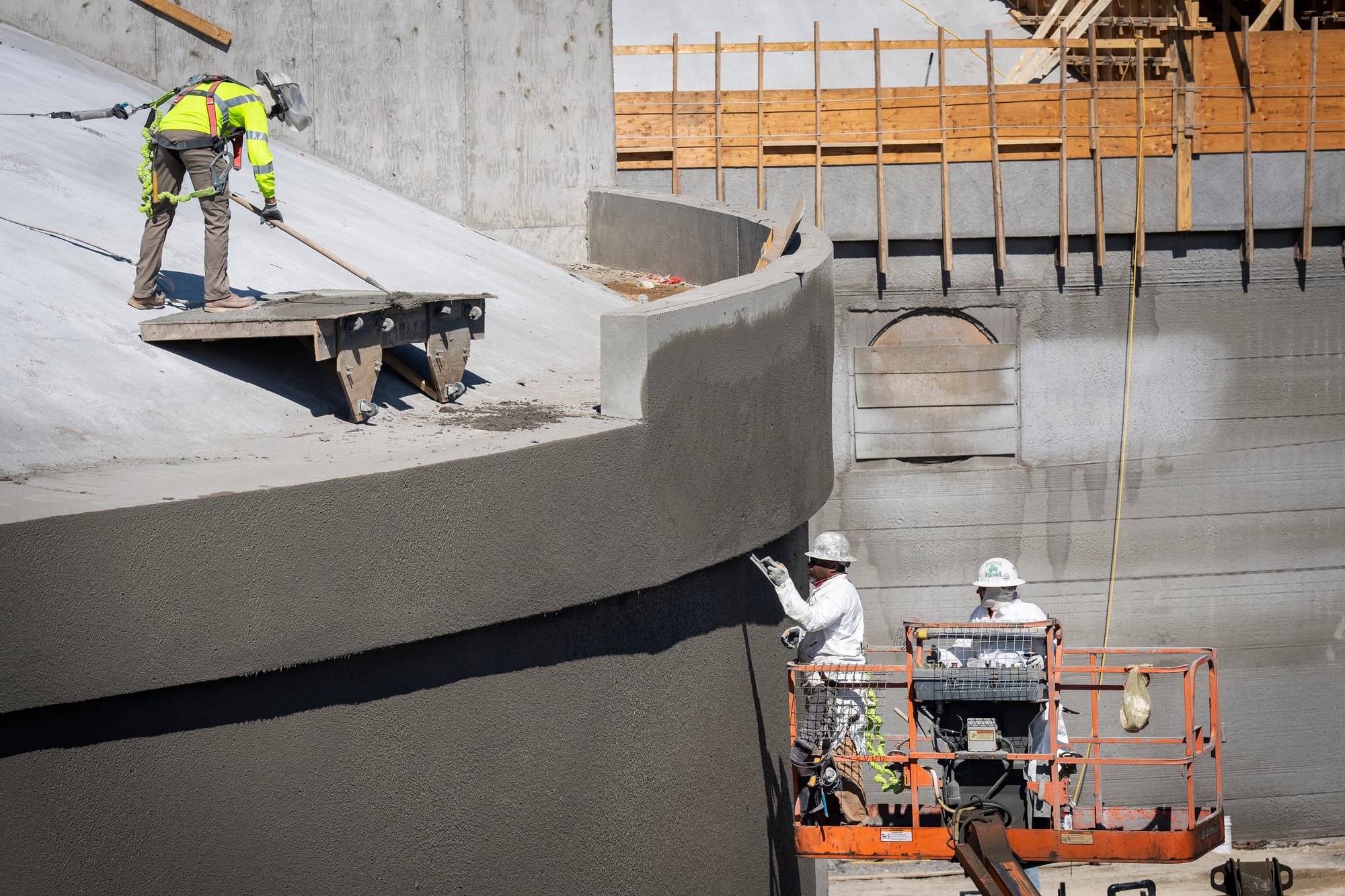
New research will look at how to make sure drinking water stays clean of illness-causing microbes without accidentally creating toxic chemicals.
By Chloe Johnson, Star Tribune | Sept. 18, 2023
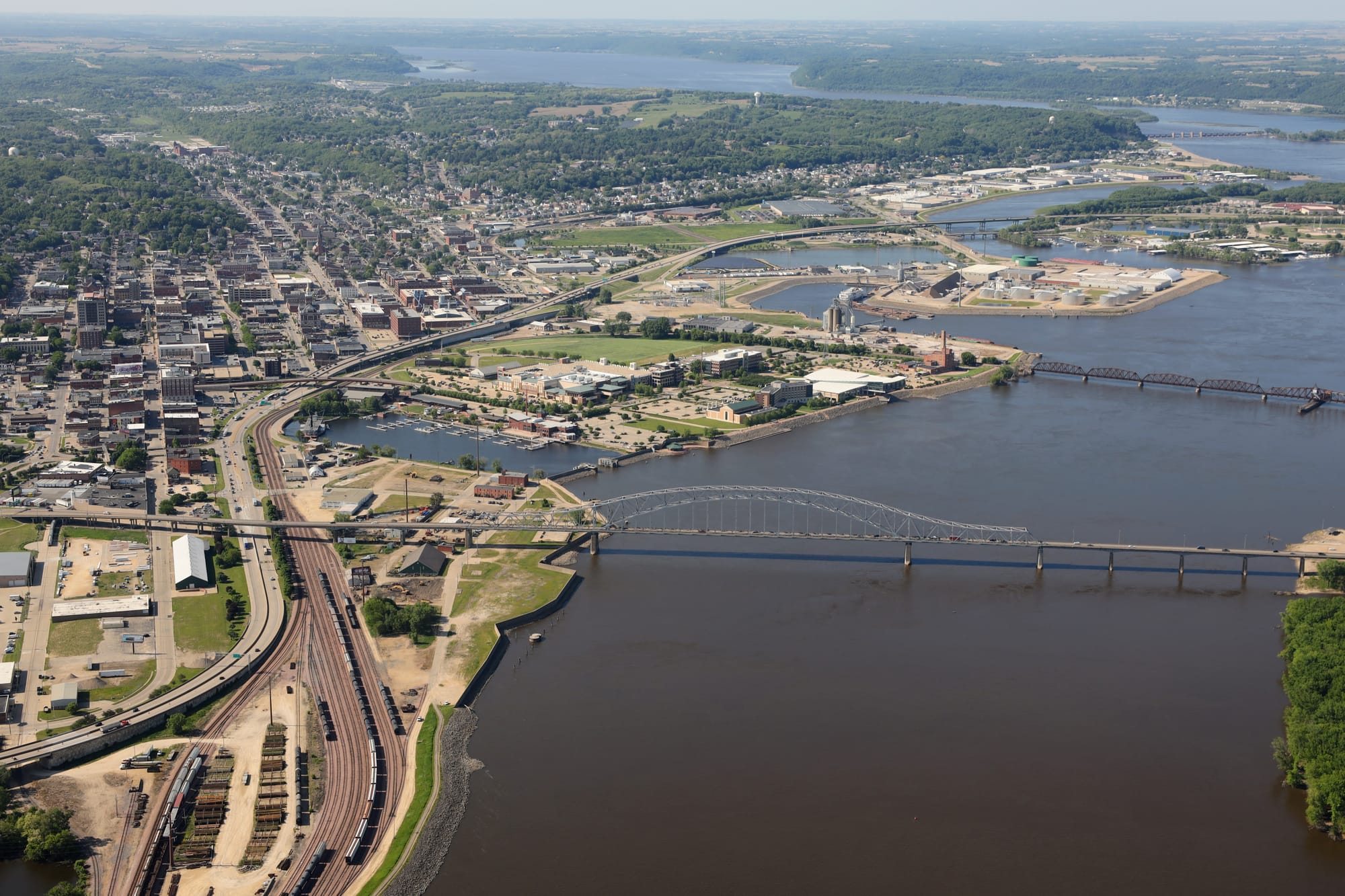
A group of mayors is backing a compact that would span more than 2,300 miles of the river, allowing coordination on ecosystem protections and events like droughts and floods.
By Keely Brewer, Daily Memphian | Sept. 15, 2023
Note: Some stories may be paywalled. If you can, we encourage you to support our partners and reporters and your local news outlets with a subscription or donation.
Madeline Heim of the Milwaukee Journal Sentinel looks at what can be done about the algae that has come to blanket a special set of spring-fed lakes in western Wisconsin.
The dry conditions are hurting older trees while sparing younger ones, and raising new questions about farm irrigation. Brittney J. Miller of The Gazette reports.
The fire at the Marathon facility in Garyville showed pollution-weary neighbors why the oil refinery is considered to be the last significant one built in the United States.
Research shows that a threatened turtle species in Iowa can be bold, active and exploratory, just like a person. Brittney J. Miller has that story too.
We invite you to share your stories for our ongoing series A Changing Basin.
How are you and your community dealing with floods and intense rainfall, extreme heat, wildfire smoke and other new hazards in the Mississippi River basin?
Let us know and please share with friends and family!


Desk reporters dig deep into pollution, drought and AI


The Desk's editorial director reflects on the importance of observing nature

Reflections on our assistant editorial director's first month on the job.

Environment and agriculture news from across the Mississippi River Basin — delivered straight to your inbox.