

Researchers, patients optimistic in fight against alpha-gal syndrome
A support group and a lab in the St. Louis area provide resources for people with the allergy to mammal products — and evidence that its effects can be reversed.
A support group and a lab in the St. Louis area provide resources for people with the allergy to mammal products — and evidence that its effects can be reversed.

The Gulf’s Flower Garden Banks has been viewed as healthy, but a new study shows signs of damage.

More than three-quarters of member cities in a Mississippi River coalition have been approached to host AI infrastructure.


Our team is hard at work reporting our first big project. It's a series, coming in October, about how rainfall is increasing in the basin and how that's impacting our lives, our communities, and our economies.
We’ve got reporters scaling levees in Atchison, Missouri, interviewing elders in Freeport, Illinois, touring newly-relocated communities on the Kickapoo River in Wisconsin, talking with farmers in rural Minnesota, interviewing tribal members in Indiana, and crunching data from the National Weather Service and the National Oceanic and Atmospheric Administration.
What we’ve found is not surprising: Rainfall is increasing, and so is its intensity. This is forcing communities, towns and industries to adapt or relocate. We’ve learned that people love their communities, and they’re coming up with creative ways to grow, sustain and thrive on a changing planet.
We can’t wait to tell you more. Stay tuned.
--Tegan Wendland, editorial director
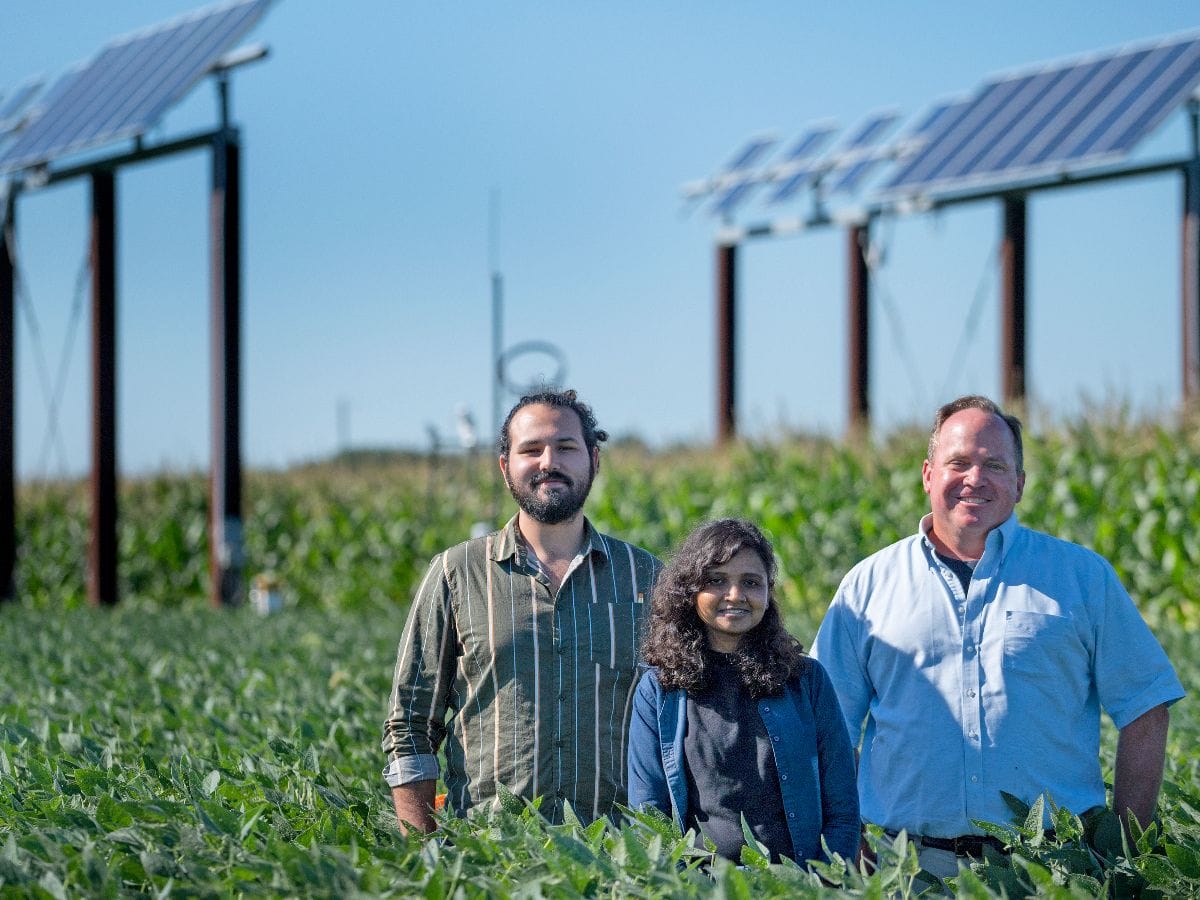
Growing crops & solar together in the skeptical Corn Belt
Researchers look at how agrivoltaics could benefit farmers and be a salve to a growing strain over solar land use in the rural communities. By our journalists at Indianapolis Star, The Gazette and The Lens. Also in Energy News Network.
Louisiana methanol project stalls
Joshua Rosenberg of The Lens reports on the fate of a major petrochemical proposal in a low-income, majority-Black residential area of St. James Parish.
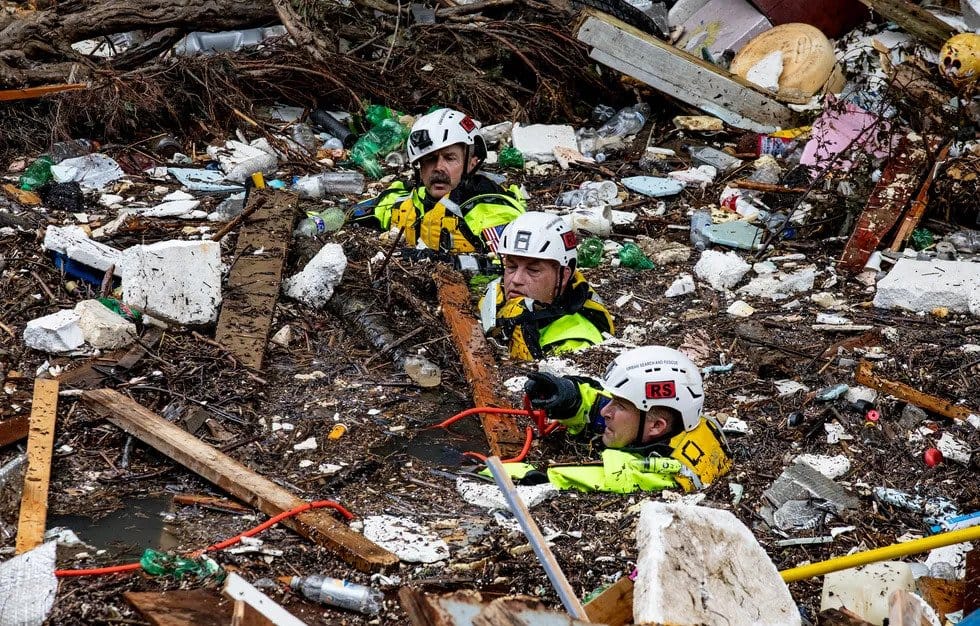
Kentucky sees more expensive disasters
Connor Giffin of Louisville Courier Journal put together four charts showing how climate change is fueling the state's rise in frequency and cost of natural disasters.

Green burials in Wisconsin's Driftless
Madeline Heim of Milwaukee Journal Sentinel writes about a cemetery association that has decided to allow environmentally friendly burial plots.
Funding flows for climate-smart ag
Chris Clayton of DTN/Progressive Farmer, one of our expert journalists, reports on the launch of nearly $3 billion in USDA grants for climate-friendly farm practices.
Do you know a news outlet that might want to run our stories? Tell them to fill out this form to get access to story elements and notifications about our latest pieces. Any newsroom can repurpose, retool and republish our work for free, in perpetuity. We often distribute audio and Spanish versions of our work, and always include plain text. Questions? Email info@agwaterdesk.org. Thanks!


Desk reporters dig deep into pollution, drought and AI


The Desk's editorial director reflects on the importance of observing nature

Reflections on our assistant editorial director's first month on the job.

Environment and agriculture news from across the Mississippi River Basin — delivered straight to your inbox.