

Researchers, patients optimistic in fight against alpha-gal syndrome
A support group and a lab in the St. Louis area provide resources for people with the allergy to mammal products — and evidence that its effects can be reversed.
A support group and a lab in the St. Louis area provide resources for people with the allergy to mammal products — and evidence that its effects can be reversed.

The Gulf’s Flower Garden Banks has been viewed as healthy, but a new study shows signs of damage.

More than three-quarters of member cities in a Mississippi River coalition have been approached to host AI infrastructure.

Introducing When It Rains, a new series from the Ag & Water Desk


This week we're proud to share our first big team project. Months in the making, When It Rains is the realization of one of the Desk's main goals: to forge collaborations, across state and newsroom lines, that dig deeper and tell new stories about this environmental moment in the Mississippi River basin.
In this series, we look at a key effect of a warming climate: more frequent and intense rainfall and catastrophic flooding. Working with Climate Central, we found a particular increase in rain in the basin in the past 50 years -- as much as 8 inches a year on average -- and we talked to residents, community leaders, farmers and experts across eight states to see how they're adapting.
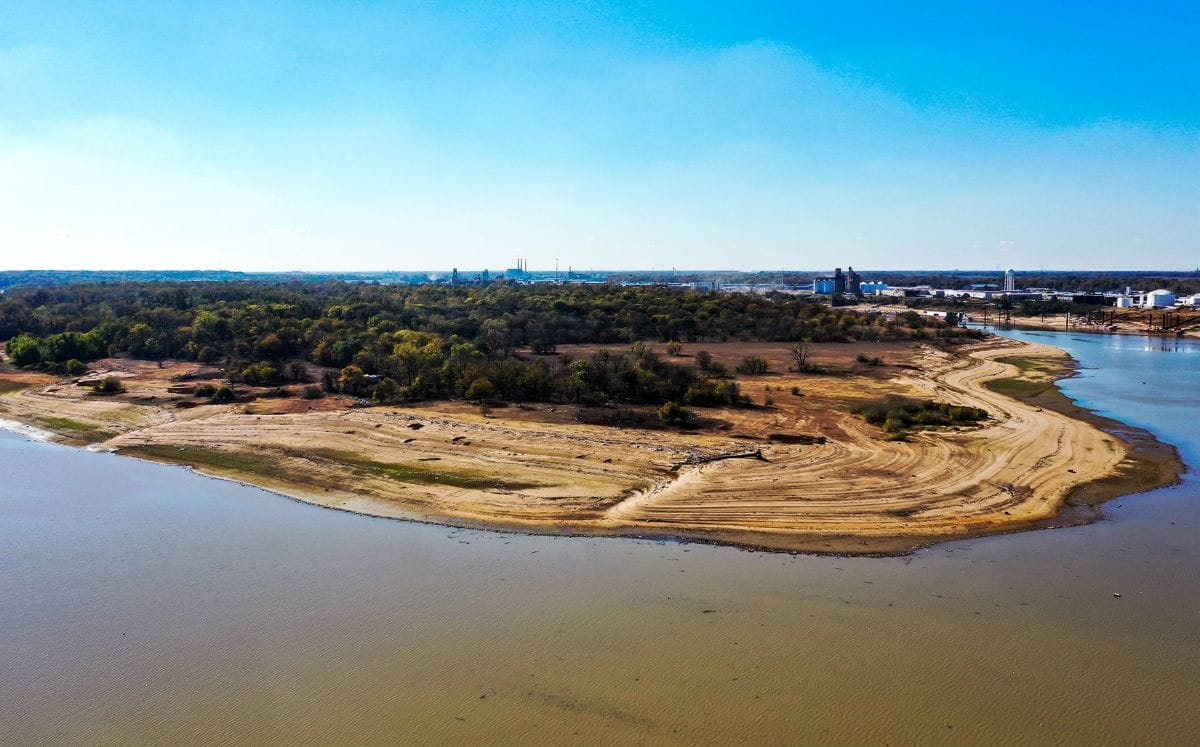
Of course, nature has had the last word. As we rolled out the series in the past couple of weeks, another slow-moving climate disaster was reaching a pitch: a record dry spell that's now disrupting shipping, agriculture and drinking water systems across the Midwest and Mississippi watershed. Find some of our drought coverage below, with more to come. The big picture is clear: climate change is causing more volatility and extremes that have real consequences.
Let us know what you think of When It Rains at info@agwaterdesk.org. We'll be back in two weeks, when the Desk team will be together for the first time at our fall conference in Columbia, Mo. We'll get out on the Missouri River and learn from experts about the issues that matter most on our beat. Stay tuned for an update. If you value our work, we'd be grateful if you'd share it by forwarding this newsletter to a friend -- they can subscribe here. Thanks for reading!
--Annie Ropeik, assistant director
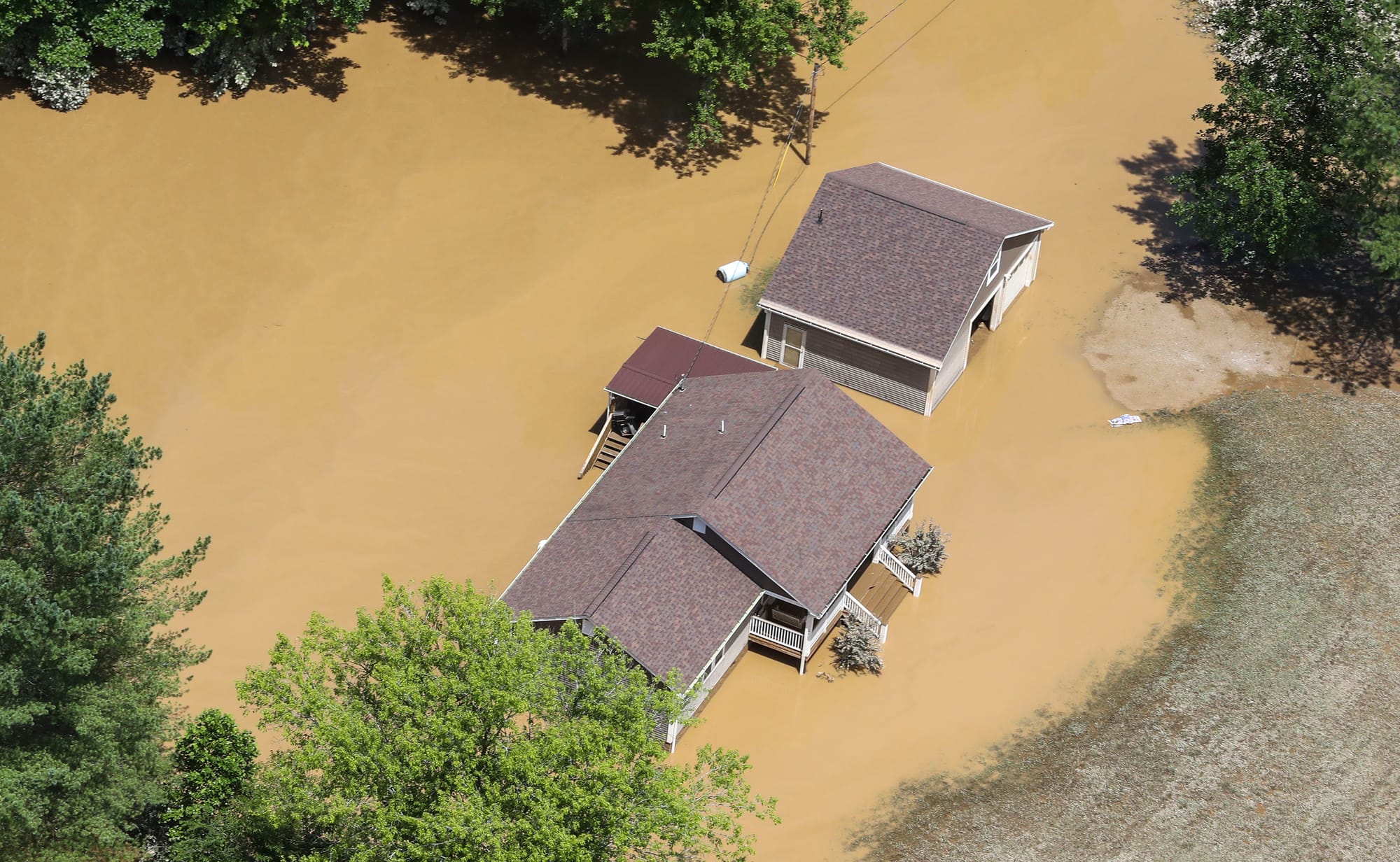
PART 1 | Mississippi River basin getting wetter as climate change brings era of extremes
By Bryce Gray (St. Louis Post-Dispatch) & Connor Giffin (Courier Journal)
The late-July storms that devastated Eastern Kentucky and St. Louis helped showcase the risks wrought by a climate that is growing more prone to dumping massive rains and flash flooding on communities where ecosystems are infrastructure are not equipped for the change. The climate-driven trend raises urgent questions about life in a wetter world.
Click here to listen to the audio version of our series.
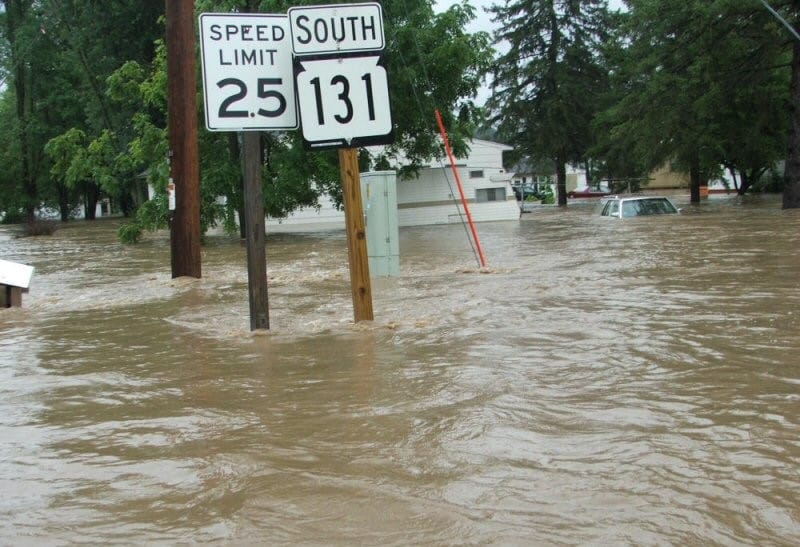
PART 2 | To stay or to go: Increased flooding forces towns to make hard choices
By Madeline Heim (Milwaukee Journal Sentinel), Juanpablo Ramirez-Franco (WNIJ- Northern Public Radio) & Keely Brewer (Daily Memphian)
As increased rainfall and repetitive flooding strain aging infrastructure in many towns, residents along the Mississippi River ask the same question: Do we pack up and move out? Staying put can be dangerous and costly, while relocation brings its own challenges – if communities even get a fair shot at pulling it off.
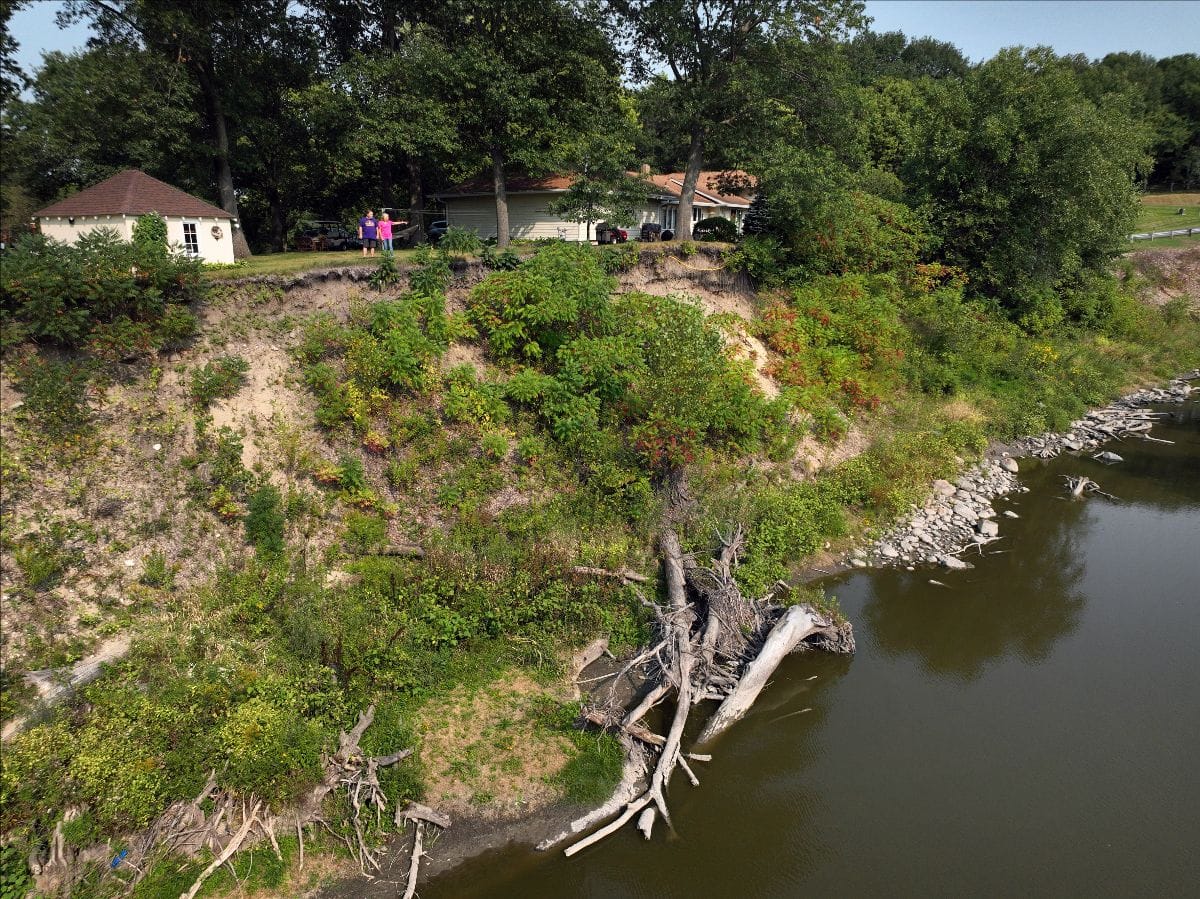
PART 3 | A wetter world is changing farm country. Can growers adapt?
By Chloe Johnson (Star Tribune), Erin Jordan (The Gazette)
& Sarah Bowman (Indianapolis Star)
A changing climate is transforming farm country in the Mississippi River watershed, causing rain to fall in harder bursts that push back planting seasons and drown crops -- all while conventional farming practices further change how water moves across the landscape. How communities adapt will shape the future of their farms.
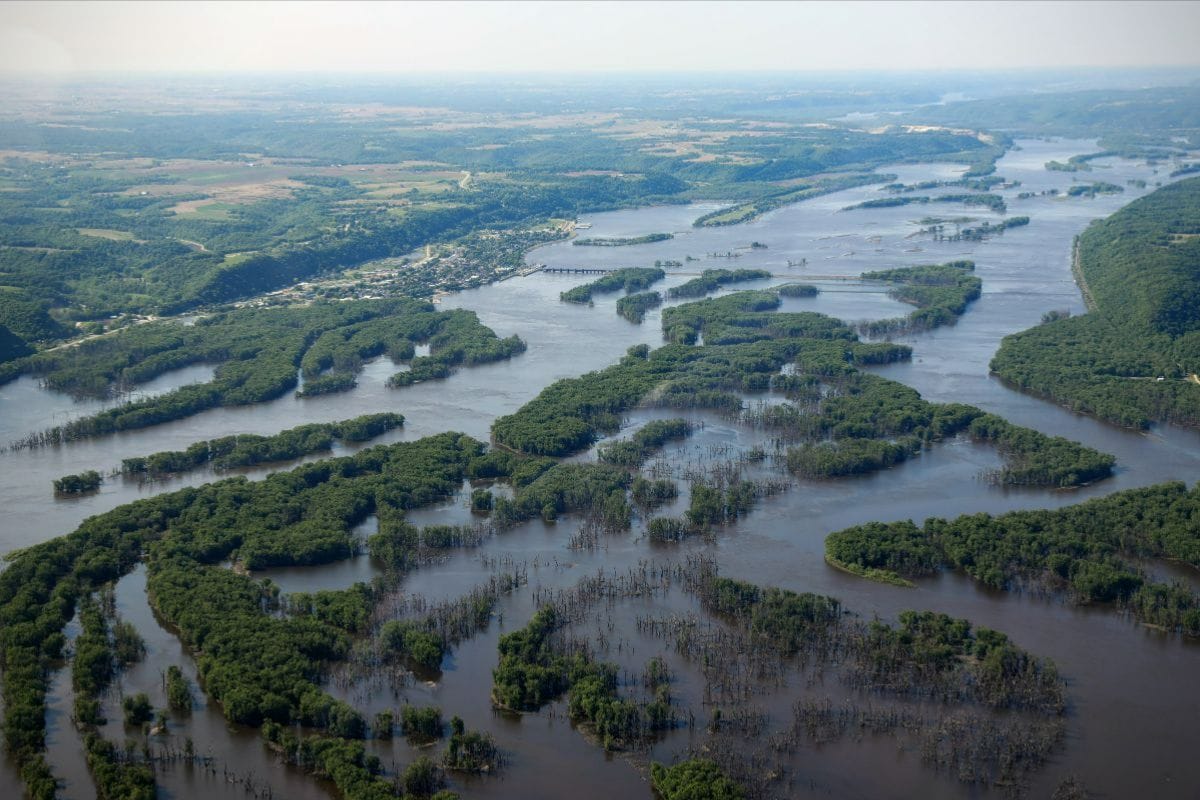
PART 4 | Making room for the river: Communities look at nature-based solutions
By Eva Tesfaye (Harvest Public Media), Brittney J. Miller (The Gazette)
& Halle Parker (WWNO-New Orleans Public Radio)
People have lived along the Mississippi River and its tributaries for millennia, the benefits competing with the risks. Modern levee systems built in response to past disasters like the Great Flood of 1927 aren't designed for the newest risk: increased rainfall caused by climate change. With rivers and communities pushed to the brink, many across the basin are shifting away from traditional mitigation tactics to make room for the water instead.
Any news outlet can publish our work -- from the series above to our breaking news and science coverage below -- for free, in whatever way works best for them. Interested editors can fill out this form to get story access and notifications. We often distribute audio and Spanish versions of our work, and always include plain text. Questions? Email info@agwaterdesk.org. Thanks!
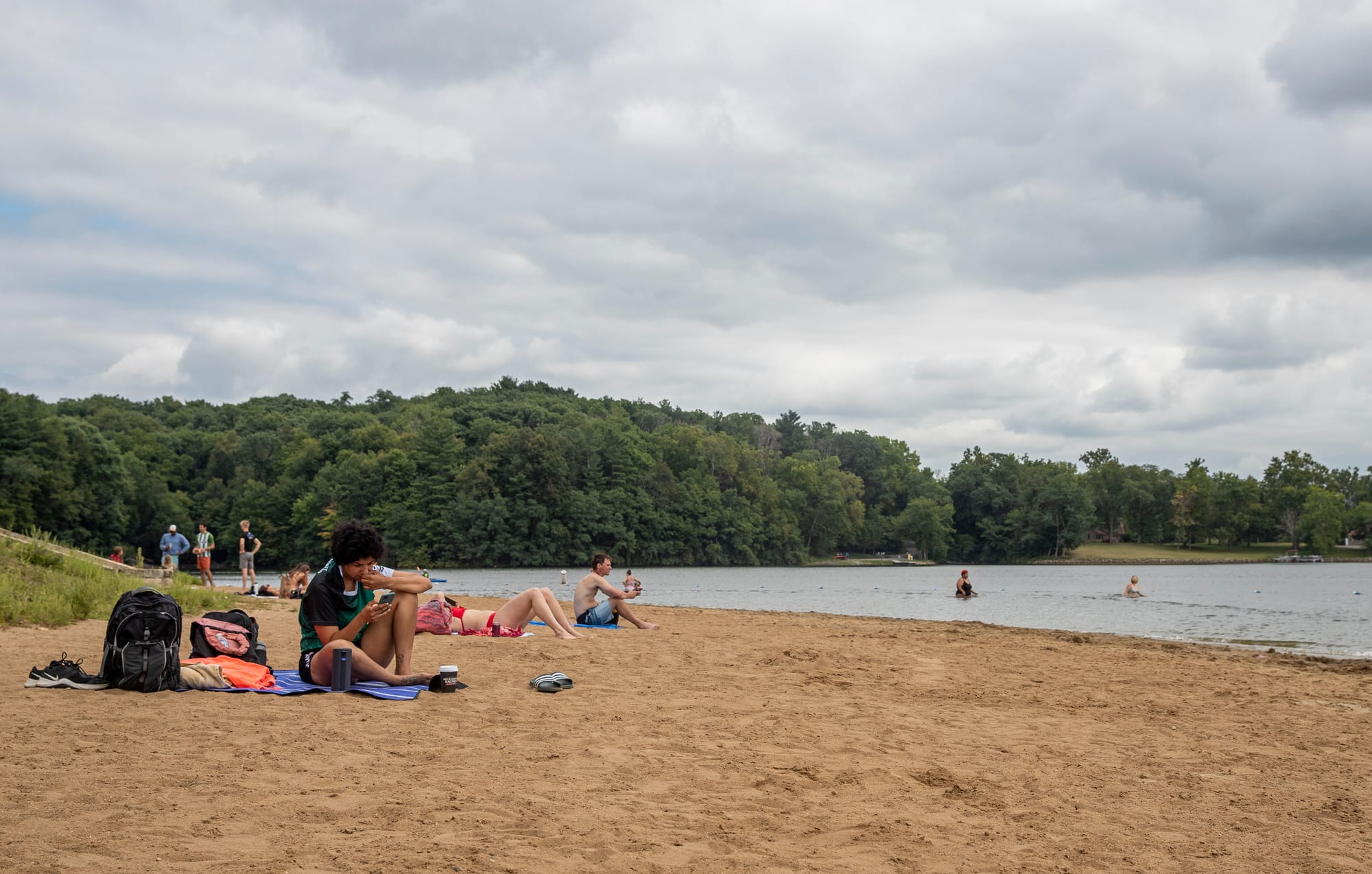
Bacteria and algae plague Iowa beaches
By Brittney J. Miller & Erin Jordan (The Gazette) & Monica Cordero (Investigate Midwest) | Oct. 3, 2022
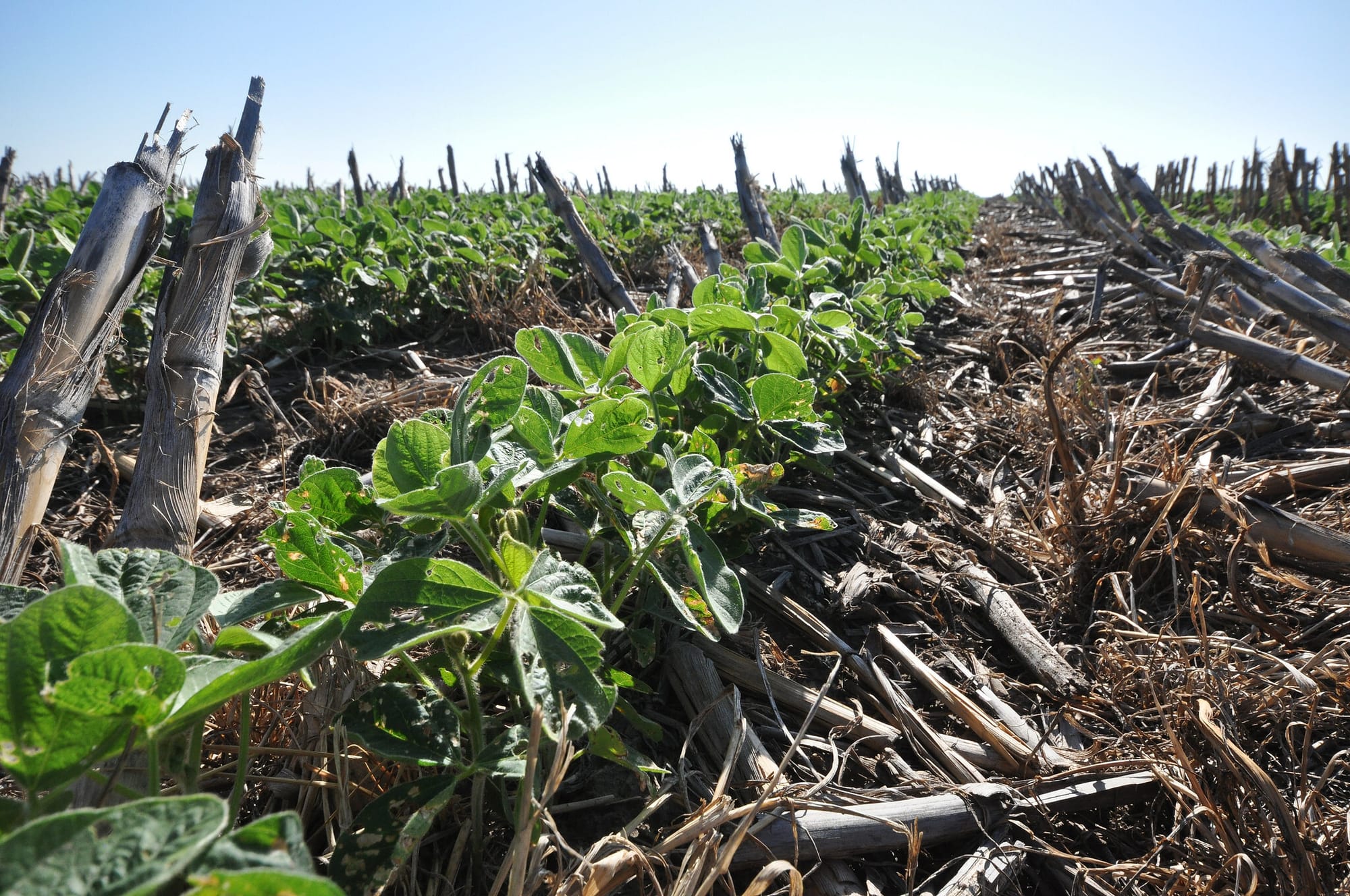
Report: USDA spends little conservation funding on climate-smart practices
By Eva Tesfaye (Harvest Public Media)
Sept. 28, 2022
Photo credits | Header: National Oceanic and Atmospheric Administration. When It Rains Part 1: Michael Clevenger, Courier Journal. When It Rains Part 2: Mark Hoffman, Milwaukee Journal Sentinel. When It Rains Part 3: Robert Scheer, Indianapolis Star; When It Rains Part 4: U.S. Army Corps of Engineers, St. Louis District; When It Rains FAQ: Liz Martin, The Gazette; How we reported this series: Darrell Hoemann, Investigate Midwest; Low river levels stories: Patrick Lantrip, Daily Memphian; Winter runoff: Sam Zeff, KCUR; Nitrates: Coburn Dukehart, Wisconsin Watch; Iowa beaches: Savannah Blake, The Gazette; USDA funding: Ron Nichols, USDA-NRCS.

Desk reporters dig deep into pollution, drought and AI


The Desk's editorial director reflects on the importance of observing nature

Reflections on our assistant editorial director's first month on the job.

Environment and agriculture news from across the Mississippi River Basin — delivered straight to your inbox.