

Researchers, patients optimistic in fight against alpha-gal syndrome
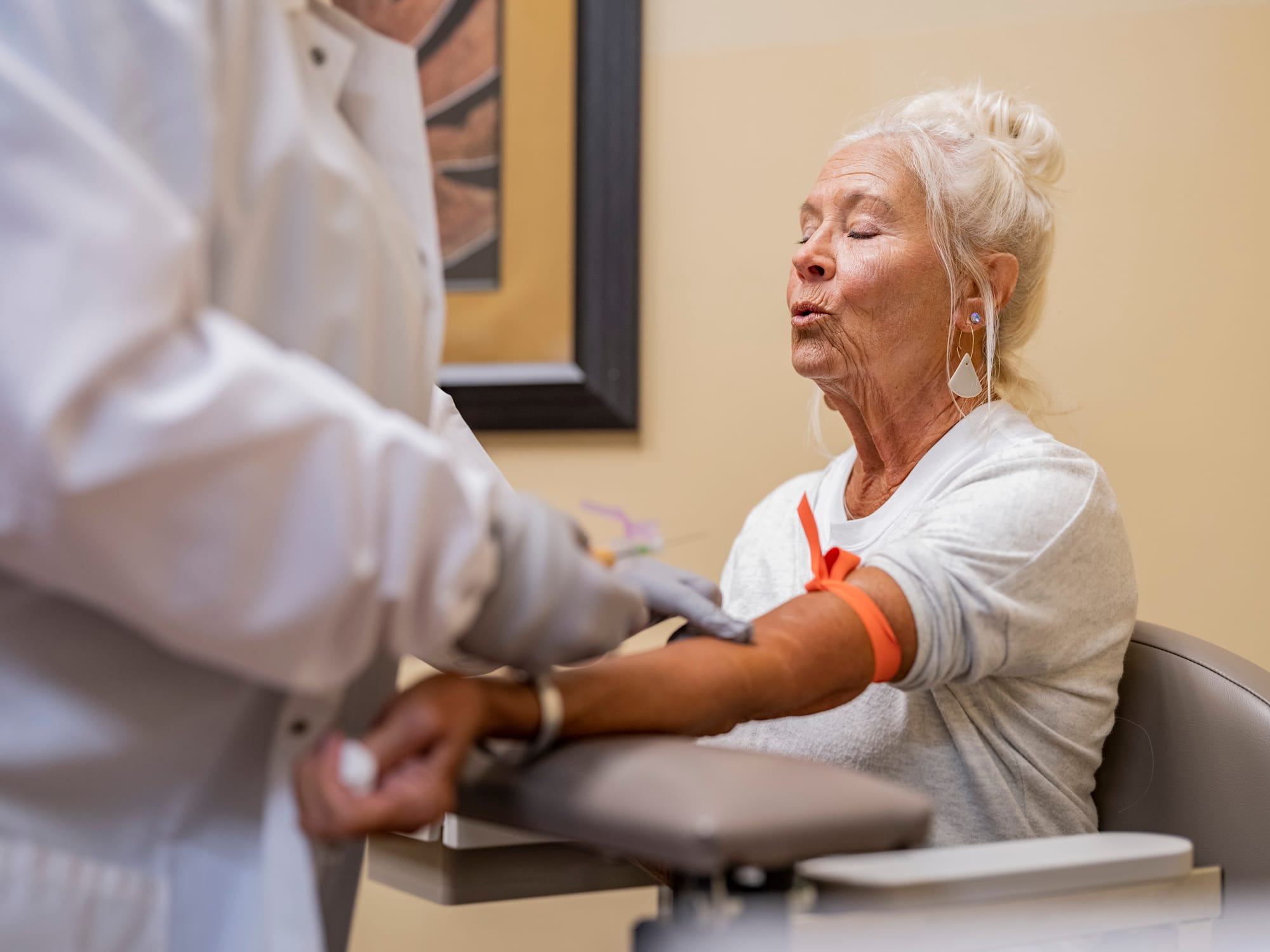
A support group and a lab in the St. Louis area provide resources for people with the allergy to mammal products — and evidence that its effects can be reversed.
A support group and a lab in the St. Louis area provide resources for people with the allergy to mammal products — and evidence that its effects can be reversed.

The Gulf’s Flower Garden Banks has been viewed as healthy, but a new study shows signs of damage.

More than three-quarters of member cities in a Mississippi River coalition have been approached to host AI infrastructure.

How does agriculture affect high cancer rates in Iowa? A Desk partner newsroom investigates


Our newsletter is now weekly on Tuesdays! If you have a minute, take a quick two-question survey to let us know what you want to see in future editions. Thanks!
By Erin Jordan — Investigative Reporter, The Cedar Rapids Gazette, and Ag & Water Desk expert journalist advisor
The Iowa Cancer Registry announced last year that Iowa has the second-highest rate of cancer in the nation, behind Kentucky.
That got our attention at The Gazette, an employee-owned newspaper in Eastern Iowa and one of the Ag & Water Desk's partner newsrooms.
Why would Iowa be worse than other Midwest states? Alcohol is one driver of cancer rates. Sure, we drink a lot, but so does Wisconsin, right? Wisconsin’s cancer rate is 27th in the nation.
Our team wondered about something else: Iowa is the No. 1 producer of corn, pork, eggs and ethanol. Could agricultural chemicals used across the Midwest be a factor?
I spent three months working on a series examining Iowa's high cancer rates with former Ag & Water Desk and Gazette reporter Brittney J. Miller.
We didn’t want to neglect the way our human behaviors – boozing, smoking, overeating – boost cancer rates. We talked with two dozen sources and reviewed dozens of academic studies to make sure we were looking broadly at the topic.
We found a growing body of research that links nitrate and pesticides to some types of cancer. We also reported on the four big types of cancer, a new approach to studying cancer clusters, and how Iowans are battling cancer.
We put all this time and energy into this reporting because cancer affects all our lives, and our readers deserve to learn how agriculture – among other factors – may be at play.
Thanks for reading,
Erin Jordan
P.S.: Newsrooms in the Ag & Water Desk network can republish The Gazette's Iowa cancer series for free. Editors, check AP StoryShare for elements or sign up here.
Midwest maple syrup producers adapt to record warm winter, uncertainty as climate changes
By Bennet Goldstein, Wisconsin Watch, and Brittney J. Miller, The Gazette
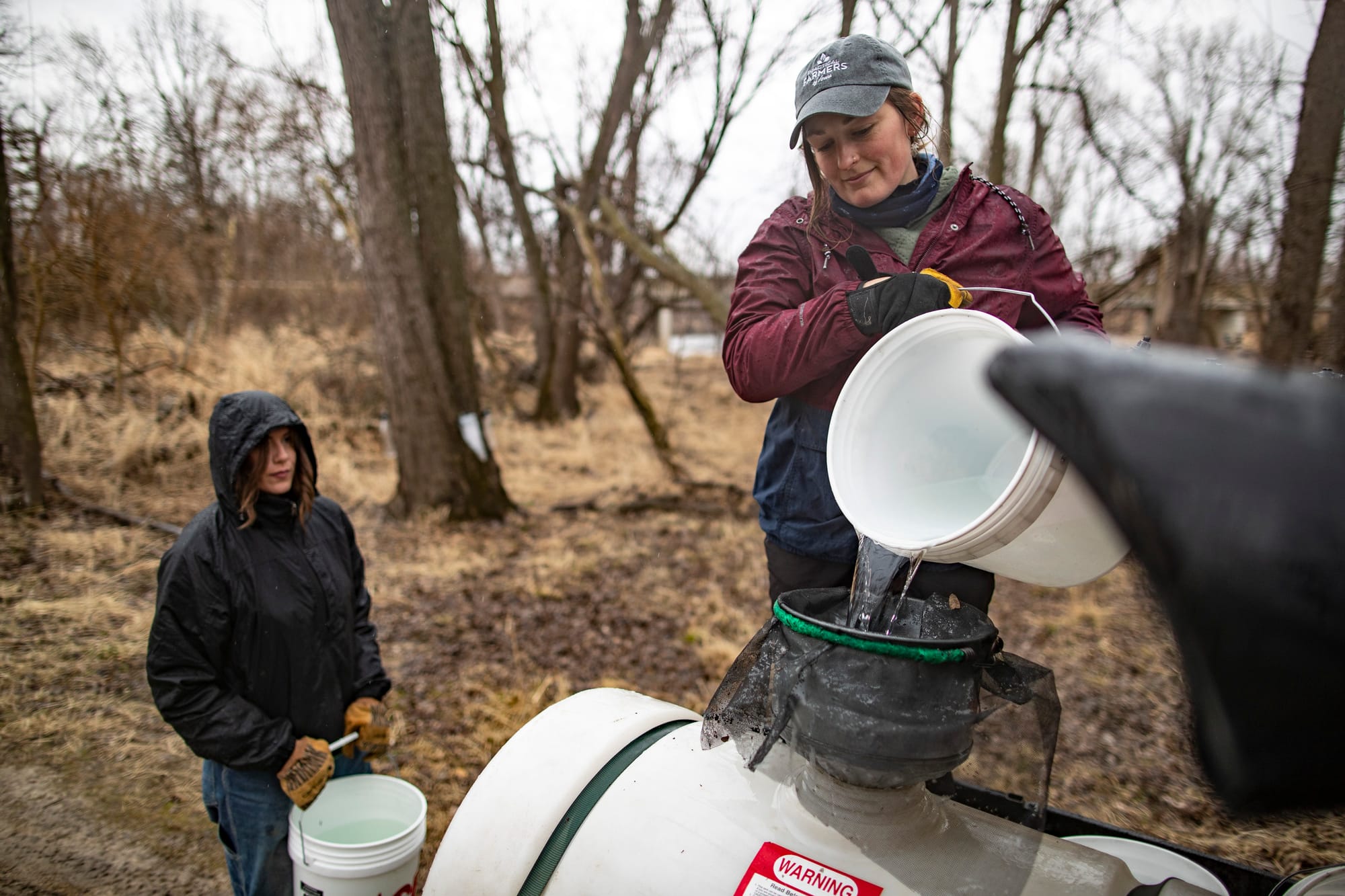
This year’s maple sap season began early for many producers in Upper Midwestern states, who experienced shorter seasons. Some credit those shifts to the year’s record-warm winter. Thanks to the El Niño effect, the season ranked among the top 10 warmest.
The Desk team is together in Philly this week for the Society of Environmental Journalists annual conference, focused on disinformation and climate policy.
Tomorrow, we’re hosting a sold-out workshop for journalists — “Policy at a Watershed Scale: Local Lessons, Collective Solutions” — with speakers from the Mississippi River Network, Taproot Earth, Delaware River Basin Commission and Uproot Project, as well as a systems thinking exercise. We worked with the North American Marine Alliance and A Growing Culture for part of this event and can’t wait to tell you more.
On Friday, we’re partnering with SEJ on a beat dinner, “Preventing Water Conflict: Lessons From Water Governance in the U.S., China, India and France.” And our reporters are looking forward to a boat tour about runoff in Chesapeake Bay, panels about alternatives to the business frame in journalism, and much more.
Check out our social media pages below for updates from the conference tomorrow through Sunday, and look for our takeaways in upcoming editions of this newsletter.

Desk reporters dig deep into pollution, drought and AI


The Desk's editorial director reflects on the importance of observing nature

Reflections on our assistant editorial director's first month on the job.

Environment and agriculture news from across the Mississippi River Basin — delivered straight to your inbox.