

Researchers, patients optimistic in fight against alpha-gal syndrome
A support group and a lab in the St. Louis area provide resources for people with the allergy to mammal products — and evidence that its effects can be reversed.
A support group and a lab in the St. Louis area provide resources for people with the allergy to mammal products — and evidence that its effects can be reversed.

The Gulf’s Flower Garden Banks has been viewed as healthy, but a new study shows signs of damage.

More than three-quarters of member cities in a Mississippi River coalition have been approached to host AI infrastructure.

The Mississippi River Basin Ag & Water Desk answers your questions about flooding and increased rainfall across the region

The Mississippi River Basin Ag & Water Desk asked for audience questions and perspectives while reporting its new series, “When it Rains,” which shows how increased and intensifying rainfall is impacting communities and agriculture throughout the Mississippi River basin.
Here are answers to some of those questions.
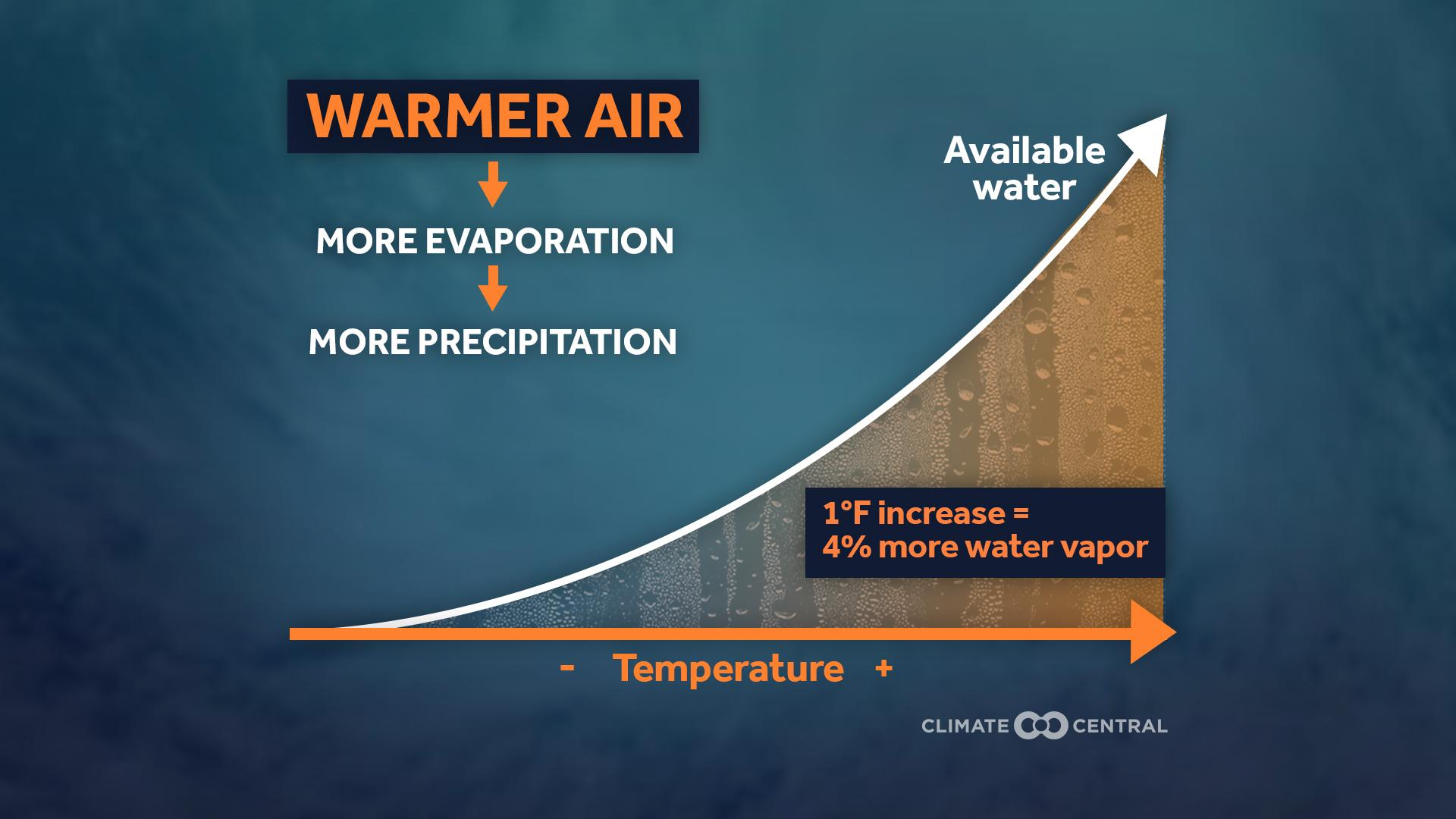
Our reporting found that rainfall is increasing in the Mississippi River basin by up to 8 inches a year, especially in the Midwest. Rainfall is increasing as the climate warms. More water evaporates into the atmosphere and falls back on landscapes. That rainfall is also becoming more intense, dropping more rain over a shorter period.
Flash flooding in St. Louis, for instance, broke a century-old rainfall record this summer. Increased rainfall overwhelmed the main water treatment facility in Jackson, Mississippi. Historic flooding left eastern Kentucky communities decimated.
Flood risks can vary widely from place to place, but can be especially pronounced in small, "flashy" watersheds that are unusually sensitive to bursts of incoming water. One of the epicenters of damage near St. Louis this summer, for example, occurred along the upper stretches of the River Des Peres, a highly urbanized waterway that experts have identified as Missouri’s most flash-flood-prone system.
The river essentially acts as an urban drainage ditch, converted largely into a straightened concrete sleeve that can be easily overwhelmed with water funneled from surrounding pavement and other impermeable surfaces.
Some similar factors are at play in Appalachia – another epicenter of this summer’s flood damage. There, rugged terrain leaves homes to be built almost exclusively along rivers and at the foot of mountains. The steep slopes allow water to travel quickly to the residents below.
It can. Any kind of development can increase flood risk, as it decreases the land available to absorb floodwaters. In Appalachia, for example, the region’s history of strip mining and mountaintop removal contributes to the danger. The damaged land is often unable to soak in water as it naturally would. Even remediated mine lands often consist of compacted soil and grass, which aren’t ideal for flood mitigation.
Scientists say yes. The threat looms particularly large across the Eastern U.S. – encompassing the Midwest and much of the Mississippi River Basin – which is seeing more intense downpours than it used to. That’s because it receives moisture from warming water bodies, in particular the Gulf of Mexico, as oceans heat up, due to greenhouse gasses in the atmosphere.
Some communities are opening up floodplains, creating space for the water. Cities and towns can enact building restrictions to limit development in flood-prone areas. Governments also buy flood-prone properties, letting residents relocate to safer locations while converting the areas back to green space.
Research has found that these nature-based solutions successfully mitigate flooding. Proactive buyouts provide permanent solutions for communities in harm’s way. When paired with those buyouts, levee setbacks reduced flood risks in every studied scenario in the Mississippi River. The resulting floodplains offer opportunities for recreation, ecotourism and increased ecosystem services.
The Federal Emergency Management Agency recommends taking a variety of steps, which include sealing any cracks in the foundation with mortar and masonry caulk, or hydraulic cement; sealing basement walls with waterproofing compounds; installing a sump pump; and utilizing drain plugs for basement floor drains.
This story is part of When it Rains, a special series from the Mississippi River Basin Ag & Water Desk, an editorially independent reporting network based at the University of Missouri School of Journalism in partnership with Report For America and the Society of Environmental Journalists, funded by the Walton Family Foundation.


Diagnoses of the severe, tick-borne allergy are rising throughout the basin. The frontlines of the disease offer lessons.


Solar panel misinformation, spread by bots and by neighbors, derailed a project in Cajun Country that promised millions in local tax revenue. The same methods are being employed nationwide.


Coastal scientists says change is inevitable, but hope is not lost

040126_HAA_Earlier_Spring_CC0:00/81× COLUMBIA, Mo. — As a row crop farmer in St. Joseph, Mo., Joe Lau
Environment and agriculture news from across the Mississippi River Basin — delivered straight to your inbox.