

It’s hard getting into farming. But for many, retiring is harder.
Farm groups help aging farmers pass the baton by offering financial — and practical — advice.
Farm groups help aging farmers pass the baton by offering financial — and practical — advice.

As harvest season concludes, farmers and economists say rising diesel and fertilizer prices are eating into what could have been a profitable year.

For 25 years, Minnesota has been putting threatened mussels back into its rivers. Now, their numbers are growing.

The study is aimed at a variety of issues involving the river's future management, including hurricane and storm damage reduction, other flood issues and more.


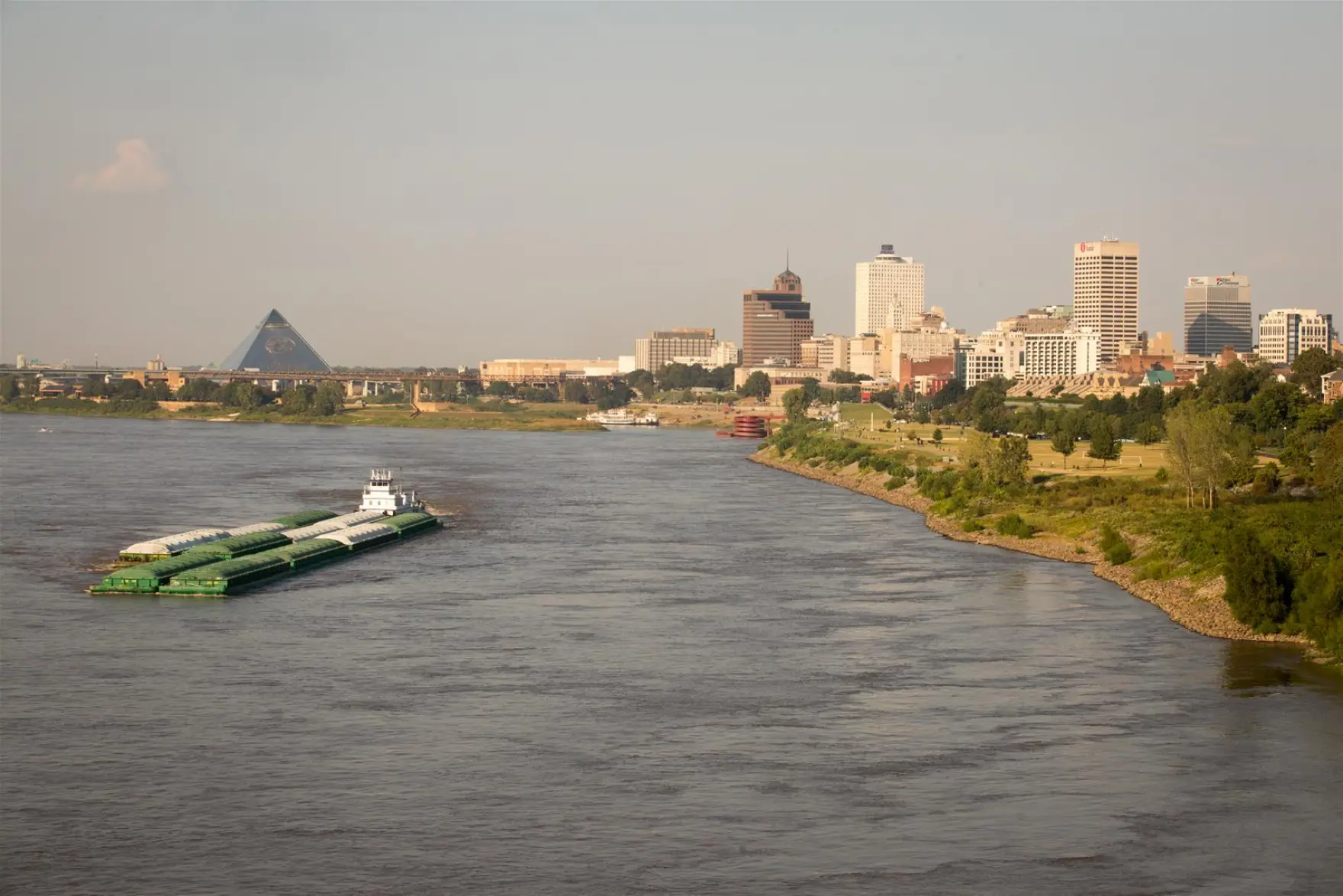
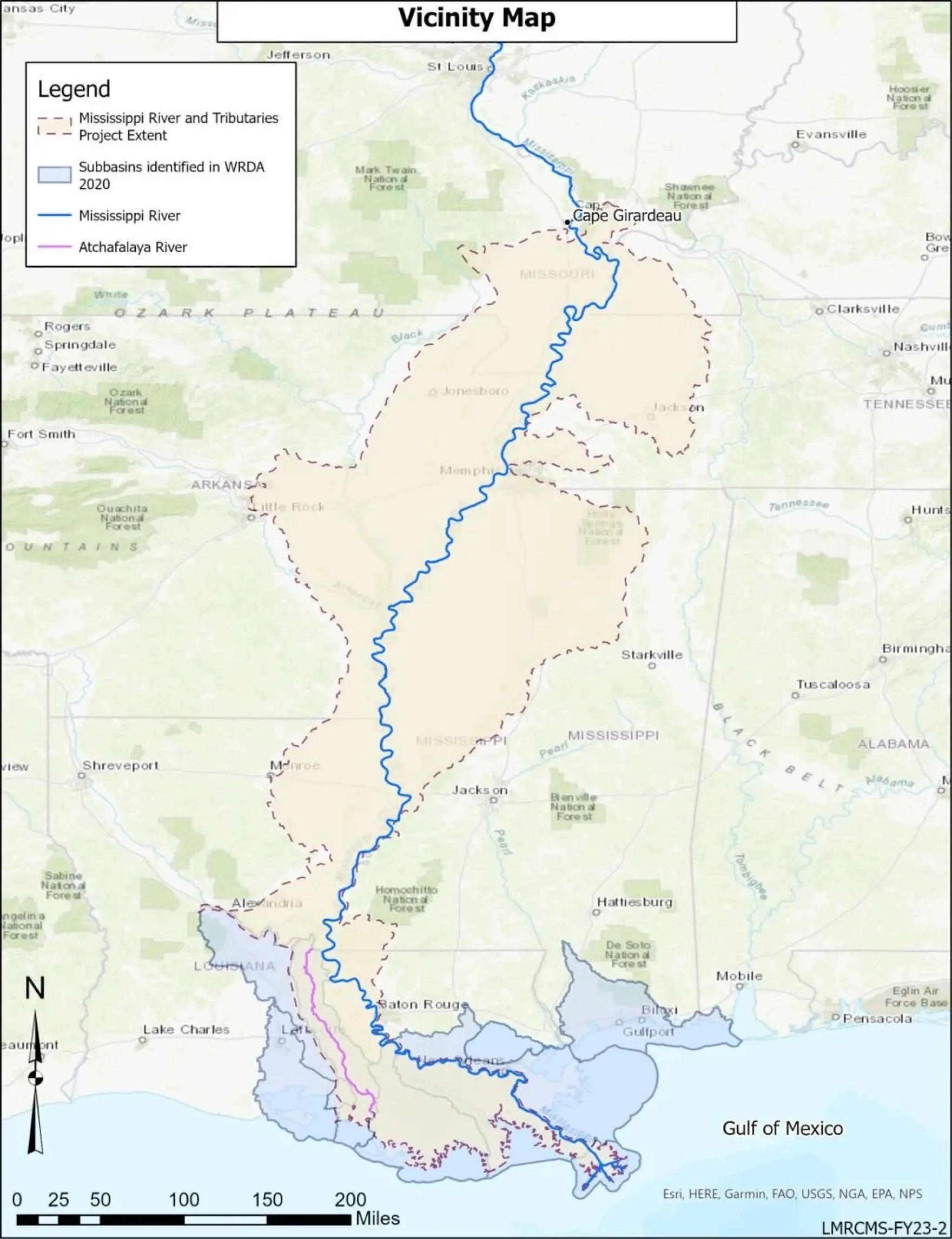
A long-delayed $25 million, five-year study of how to manage the Mississippi River from Cape Girardeau, Missouri, to the Gulf of Mexico was officially launched by the Army Corps of Engineers on Thursday.
The study is aimed at a variety of issues involving the river's future management, including hurricane and storm damage reduction, other flood issues, navigation, ecosystem and environmental restoration, water supply, hydropower production, recreation, and other topics identified by the secretary of the Army.
The study was originally required in 2018 and 2020 legislation, with funding provided in 2019, largely through the efforts of U.S. Rep. Garret Graves, R-Baton Rouge.
Louisiana and Mississippi state officials successfully lobbied for the study to also address the continuing controversy over present Corps regulations that require using the Bonnet Carre Spillway as the flood control alternative to protect New Orleans during high river events, and the millions of dollars in economic losses resulting from its use.
The spillway openings have been linked to major losses of oysters and other fishery resources because of freshening of saltwater and brackish areas of Louisiana lakes and the Mississippi Sound, and to algae blooms caused by nutrients in the river water that have harmed tourism in Mississippi and the recreational use of Lake Pontchartrain in Louisiana.
The 2020 legislation authorizing the study called for it to include reviews of several sediment and freshwater diversion projects then proposed as part of Louisiana’s coastal Master Plan that also could be used as alternatives for redirecting high river flows away from the Bonnet Carre Spillway's exit into Lake Pontchartrain.
In addition to Louisiana and Mississippi, the study also is to review similar flooding and environmental issues along the river in Arkansas, Illinois, Kentucky, Missouri and Tennessee.
“This study provides the opportunity to consider this critical flood risk management system and identify what, if any, opportunities and modifications are needed to account for the change in river dynamics as well as the needs of the nation over the last century,” said Col. Cullen Jones, commander of the Corps' New Orleans district. “The Mississippi River is the nation’s most important waterway and one of the world’s most important natural resources. We are committed to ensuring it remains so in the future.”
Congress provided an original appropriation of just over $8 million for the study in 2021, and the remainder of the money in the middle of 2022, but at that time, the money only covered 50% of its cost, with the other half required to be paid for by Louisiana and the other states.
In December, Congress required the study to be 100% federally funded, which cleared the way for the Corps’ New Orleans district office, with assistance from personnel in its Vicksburg, Memphis and St. Louis district offices.
The study team is required to make annual reports on its progress to Congress, and the Corps also expects to hold several public meetings on the project.
This work is supported with a grant funded by the Walton Family Foundation and administered by the Society of Environmental Journalists.
This story was shared through the Mississippi River Basin Ag & Water Desk, an editorially independent reporting network based at the University of Missouri School of Journalism in partnership with Report For America and the Society of Environmental Journalists, funded by the Walton Family Foundation.

For 25 years, Minnesota has been putting threatened mussels back into its rivers. Now, their numbers are growing.

The Gulf’s Flower Garden Banks has been viewed as healthy, but a new study shows signs of damage.


At approximately 1,332 square miles, the low oxygen area is the second-smallest in four decades of measurement


The National Oceanic and Atmospheric Administration expects the oxygen-depleted zone to be about the size of the state of New Jersey
Environment and agriculture news from across the Mississippi River Basin — delivered straight to your inbox.